
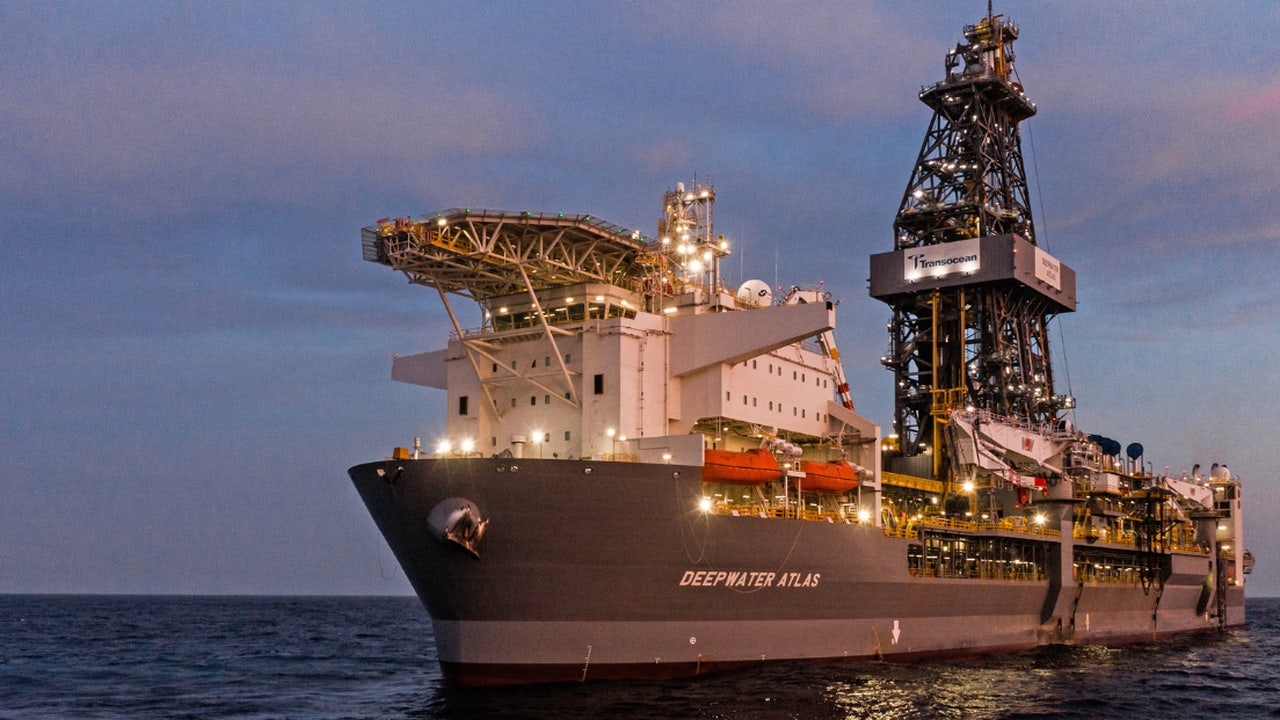
On July 4th we celebrate more than fireworks; we celebrate a spirit that builds solutions others call impossible. This piece looks at one of those solutions far out in the Gulf of America, where engineers unlocked the Paleogene with tools and grit. It highlights the tech breakthroughs, the safety systems that make them possible, and why this matters for jobs, security, and American pride.
July 4th is usually about flags and parades, but it’s also about believing the country can solve huge problems. From early flight to the moon, American ingenuity has a track record of turning impossible ideas into everyday reality. The offshore effort under the Gulf of America is the latest example.
More than 100 miles off the Gulf Coast sits a sandstone and shale layer called the Paleogene, holding tens of billions of barrels of oil. For years it was considered out of reach because reservoir pressures reached roughly 20,000 pounds per square inch, conditions no one had built equipment to handle. The pressure was like an elephant standing on a quarter, and that kind of challenge required fresh thinking.
The answer came from companies and crews who know these waters best, building gear nobody had tried before. Transocean designed drillships purpose-built for extreme pressure, including the Deepwater Titan and Deepwater Atlas, now operating in the Gulf of America. Trendsetter Engineering and other specialists created subsea systems and manifolds that can survive and perform under those brutal conditions.
The payoff is concrete and recent: Chevron’s Anchor project started producing in 2024 after roughly $5.7 billion in development spending. Beacon Offshore’s Shenandoah is in production, and BP’s plan for the $5 billion Kaskida project has federal approval and is moving toward first production. Those projects together mark a real expansion of America’s offshore capability and put skilled jobs and manufacturing to work.
TRUMP’S ENERGY INITIATIVES MAY FINALLY EXTRACT AMERICA FROM MIDEAST CHAOS
The people behind these programs are not flashy public figures, they are engineers, subsea specialists, vessel crews and yards up and down the Gulf Coast. Their expertise is the kind of quiet competence that wins hard technical fights. Recognizing that workforce means recognizing the value of private initiative backed by steady policy.
Safety was never an afterthought; containment systems and procedures were built into the plan from the start. Offshore groups such as HWCG and Marine Well Containment Co. maintain rapid-deploy containment gear rated to 20,000 psi, and whole systems were independently verified before drilling began. That combination of industry responsibility and federal oversight created equipment and practices that operators trust.
Federal rules require operators to prove access to containment resources, file detailed response plans, and run recurring training drills before any high-pressure well goes online. The Bureau of Safety and Environmental Enforcement demands third-party certification on major high-pressure components like blowout preventers, subsea trees, wellheads and completion gear. Those certifications are not optional, they are part of the safety framework that makes operations responsible and reliable.
CONGRESS MUST NOT DERAIL THE FREIGHT RAIL LIFELINE FOR AMERICA’S FARMERS
This Paleogene breakthrough shows how an ecosystem of companies, regulators, suppliers and workers can take on a decade-long problem and win. It wasn’t produced by a single government edict or a one-off program, it was produced by private investment, applied engineering, and clear rules that forced high standards. That model, which brings public oversight together with private ingenuity, is a Republican model of success in action.
The Gulf of America supplies roughly 15 percent of U.S. oil production, and offshore projects ripple through shipyards, manufacturers, ports, and skilled trades across all 50 states. The Paleogene adds a new layer of output supported by existing infrastructure and a seasoned workforce. Those projects are strategic economic bets that also strengthen national security by growing domestic energy supply.
Unlocking the Paleogene required patience, capital and technical courage, and it rewarded those who invested time and talent. If policymakers want more of this, they should favor stable rules that let companies plan long term and protect rigorous safety oversight. Celebrate the holiday, and remember the teams and technologies that keep this country moving forward without surrendering standards.
