
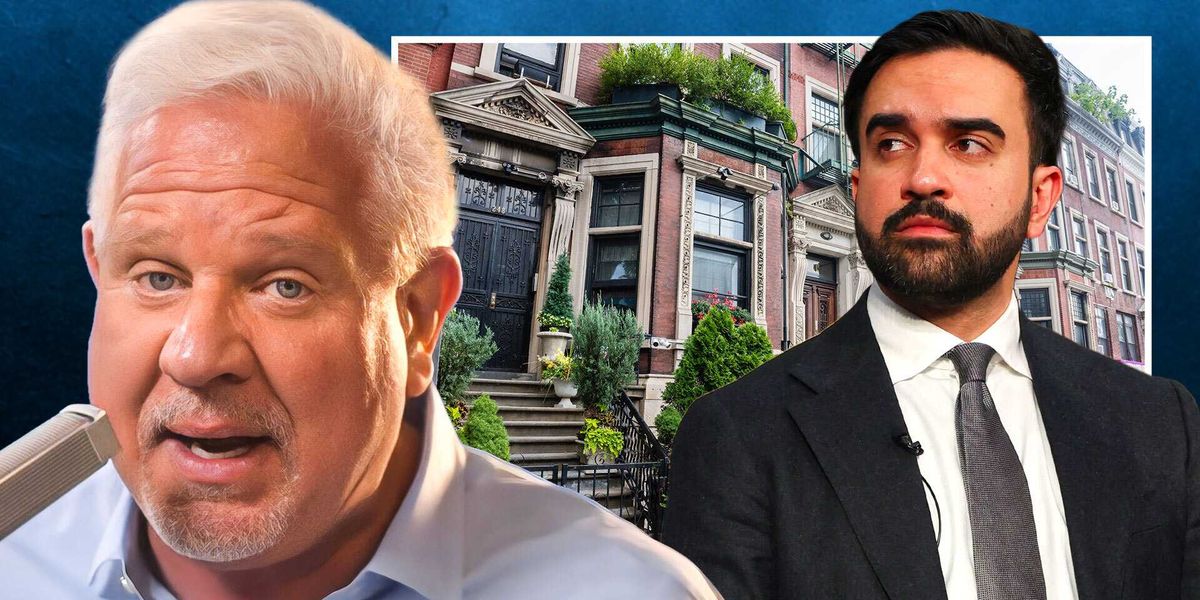
Glenn Beck is warning that New York City Mayor Zohran Mamdani’s new “Block by Block” housing plan crosses a line by turning tenant advocacy into a pathway for government takeover of private homes, and this piece examines his critique, the mayor’s language, and the larger risks Beck says follow when the state gains power to seize property.
Mamdani rolled out a plan that targets so-called negligent landlords and promises aggressive legal action. In his announcement he said, “Through our new citywide campaign, Fix the City, we will focus on the worst landlords in New York City. When necessary, we will take aggressive legal action to remove negligent owners and property managers.” Those words sound focused, but they open the door to wider discretion by city officials.
The proposal goes further than enforcement rhetoric by naming options to reassign ownership. Mamdani added, “And for buildings that have suffered chronic neglect, we will work to transfer ownership to responsible stewards. Stewards that include community land trusts, nonprofits, or even the tenants themselves.” That sentence signals a shift from fines and inspections to changing who legally owns real estate.
Beck reacted bluntly: “Give it to the people,” Glenn comments. He frames Mamdani’s language as the mask slipping off, saying voters were told socialism was a fringe scare but now see it spelled out. “For years, Americans have been told, ‘Nobody wants socialism. Nobody wants communism. Stop overreacting.’ But the masks are finally off. The socialist mayor of New York City openly now talking about taking private property from owners and transferring it to the state’s preferred groups,” he says, shocked.
Beck warns this is not just rhetoric. “That is the language of every socialist movement when it arrives there, when they finally take off the mask. That’s every socialist movement because socialism always runs into the same problem,” he explains, “Eventually, you run out of other people’s money.” His point is that once the state assumes stewardship of assets, something else pays the bill and compulsion follows.
He also wants people to see how populist framing morphs into coercive power. “Here’s the part Americans need to understand before it’s too late,” Glenn begins. He argues that seizure rarely arrives as force; instead it appears wrapped in goodwill and promises. “Communism never comes wearing a hammer and a sickle. It never comes with jack boots. It arrives with compassion. It arrives with friendly faces. It arrives saying, ‘We just want affordable housing. We just want fairness. We just want safety. We just want equity,’” he continues.
Beck insists that the first targets are selected to win support, and that expansion follows naturally from successful seizures. “Until one day, the government decides your property serves the collective better than it serves you,” he says, warning that initial actions against allegedly negligent landlords will be easy to sell. “Every expansion of government power begins with a hated group. They never start with the popular people. They start with the rich or the landlords or the oligarchs, the enemies of the people,” he explains.
Finally, Beck highlights how definitions stretch once the tool exists. “That definition grows a little more broad, always, “Glenn says, “because once government gains the power to seize property for political or social goals, the argument to seize your property never ends. The category just grows wider and wider and wider.” His message is clear: legal authority to transfer ownership for social aims risks creeping beyond its initial target.
This isn’t a call to protect every bad actor at any cost, but a warning about the precedent set when the state gains power to reassign private property. The mayor’s plan promises solutions for neglected buildings, yet critics like Beck see a slippery slope: once government can take and reassign property for perceived social good, the boundary that protects private ownership becomes a political question instead of a legal one.
