
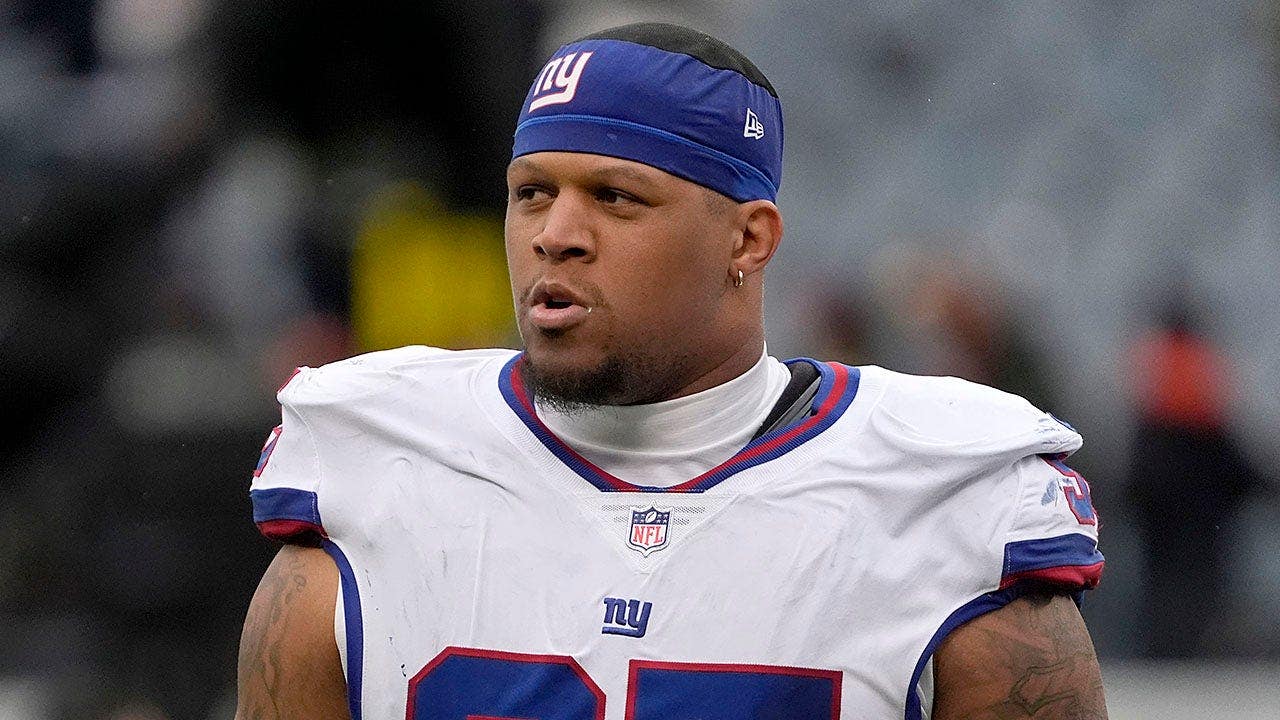
Roy Robertson-Harris reportedly tore his Achilles during an OTA practice, ending his season and leaving the New York Giants’ defensive front thinner. This piece looks at the immediate roster fallout, how the coaching staff might adapt, what recovery from an Achilles injury typically looks like, and why depth up front matters more than ever for a team already pressed for options.
The injury itself is brutal in both physical and roster terms. A torn Achilles usually requires surgery and a long rehab that stretches well beyond a single NFL season in many cases, and for a veteran like Robertson-Harris that means the Giants lose not just snaps but experience and situational savvy. When a team counts on rotation players to handle gaps and pressure packages, losing a veteran disrupts planning across multiple fronts.
From a schematic point of view, the Giants were already thin inside, and this raises immediate questions about how they plan to replace those snaps. Expect increased reps for younger linemen in practice and a likely shuffling of roles that could move defensive ends inside on passing downs. Defensive coordinators hate being forced to change their plans because depth failures tend to show up in late-game situations and against power running teams.
On the personnel side, the front office has a few paths forward but no easy answers. They can promote from within, lean on practice squad players, or look for a mid-summer veteran signing to plug a slot temporarily. Each choice carries trade-offs: internal promotions reward development but risk inexperience, while outside signings can be stopgaps that come with limited scheme fit and unfamiliarity with the playbook.
There’s also the ripple effect on the linebackers and defensive ends, who may see heavier workloads as coaches try to mask interior losses with pressure and stunting. That approach can create mismatches in the run game if those edge players aren’t comfortable holding the line against double teams. Over a 17-game season, managing snap counts and avoiding secondary injuries becomes a chess match between coaching staff and schedule strength.
For Robertson-Harris, the medical timeline matters more than optimism. An Achilles tear isn’t an automatic career ender, but it’s a serious setback, especially for players whose game relies on burst and leverage. Recovery protocols have improved, and many athletes return to high-level play, but the rehab is both physically demanding and mentally draining, requiring patience and a carefully staged return to contact.
Fans and analysts will watch training camp closely for signs of how the Giants will adapt. How the coaches distribute snaps, which free agents they target, and whether rookies step up will all determine whether this injury is a season-defining blow or a manageable obstacle. The best-case scenario for New York is that internal depth accelerates its development and that a midseason acquisition can stabilize the front while Robertson-Harris rehabilitates.
Ultimately, this injury underscores a simple NFL truth: depth wins seasons. Losing a veteran interior presence puts a premium on smart coaching, shrewd roster moves, and the ability of younger players to handle an increased role. The coming weeks will reveal whether the Giants can patch this hole quickly or whether it becomes a long-term weakness opponents will exploit.
