
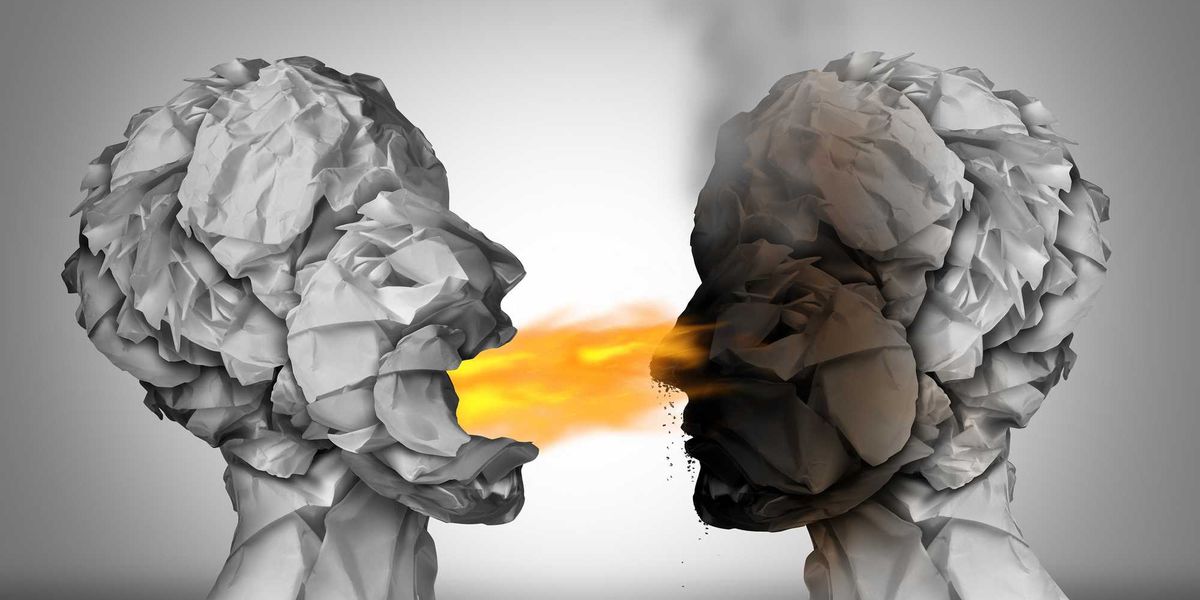
Free speech debates have a way of turning small sparks into raging fires, and this one lands right in that zone. The clash over what counts as protected speech, what crosses into punishment, and where old legal ideas still matter is as sharp now as it has ever been. Behind the noise sits a bigger question that keeps refusing to go away: how a free society defends expression without letting every ugly outburst become a legal weapon.
American law has never treated speech as one neat, tidy category. Some words are protected because they are offensive, provocative, or flat-out rude, while a narrower set of expressions can still trigger penalties when they amount to true threats or direct incitement. That distinction matters, because once the law starts punishing speech simply for being distasteful, the whole idea of ordered liberty starts to wobble.
The old phrase “fighting words” still gets tossed around for a reason. It comes from a time when courts tried to describe speech so heated and personal that it was expected to spark immediate violence, but even that doctrine has been trimmed back over the years. The modern fight is less about vintage legal labels and more about whether society still knows the difference between speech that offends and speech that genuinely endangers.
That line can get blurry fast when public outrage takes over. A remark that sounds cruel in one setting may be treated as a criminal matter in another, and the temptation to punish first and think later is always close by. But the First Amendment was written to resist exactly that kind of snap judgment, especially when the crowd is loud and the emotions are hot.
Names like James Madison and Joseph Story come up because the Founding-era view of liberty was never built on the idea that only polite, approved speech deserves protection. Their world understood that free people will say hard things, rude things, and sometimes deeply foolish things, yet the remedy was supposed to be more speech, not a reflexive trip to the courtroom. That principle still hits hard because it draws a bright line between civil disagreement and state power.
H.L. Mencken understood the same tension from a different angle, mocking the pieties that try to scrub public life clean of offense. His edge reminds modern readers that outrage is not the same thing as harm, and that a society can become timid if it starts treating every insult as a catastrophe. The more speech is treated like a delicate object, the easier it becomes for officials to regulate it in the name of decency.
That is why the debate keeps circling back to “hate speech” and similar labels. Those terms sound precise, but they often blur into a broad category of speech some people simply want suppressed. Once that happens, the standard shifts from whether speech is actually unlawful to whether it is socially approved, and that is a dangerous place for any free people to drift.
The idea of disorderly conduct also plays a quiet role in these fights. When a controversial expression triggers a scene, there is always pressure to punish the speaker for the reaction of the crowd rather than the content of the words themselves. That approach flips the rule of liberty on its head, because it rewards the most volatile response and makes speech safer only for the timid.
Even the harshest language can still force a useful public reckoning when handled under the right constitutional rules. Free expression is messy, irritating, and sometimes ugly, but it is also the thing that keeps a society from becoming brittle and fearful. The more carefully the law guards that space, the less likely it is that today’s outrage becomes tomorrow’s censorship machine.
