
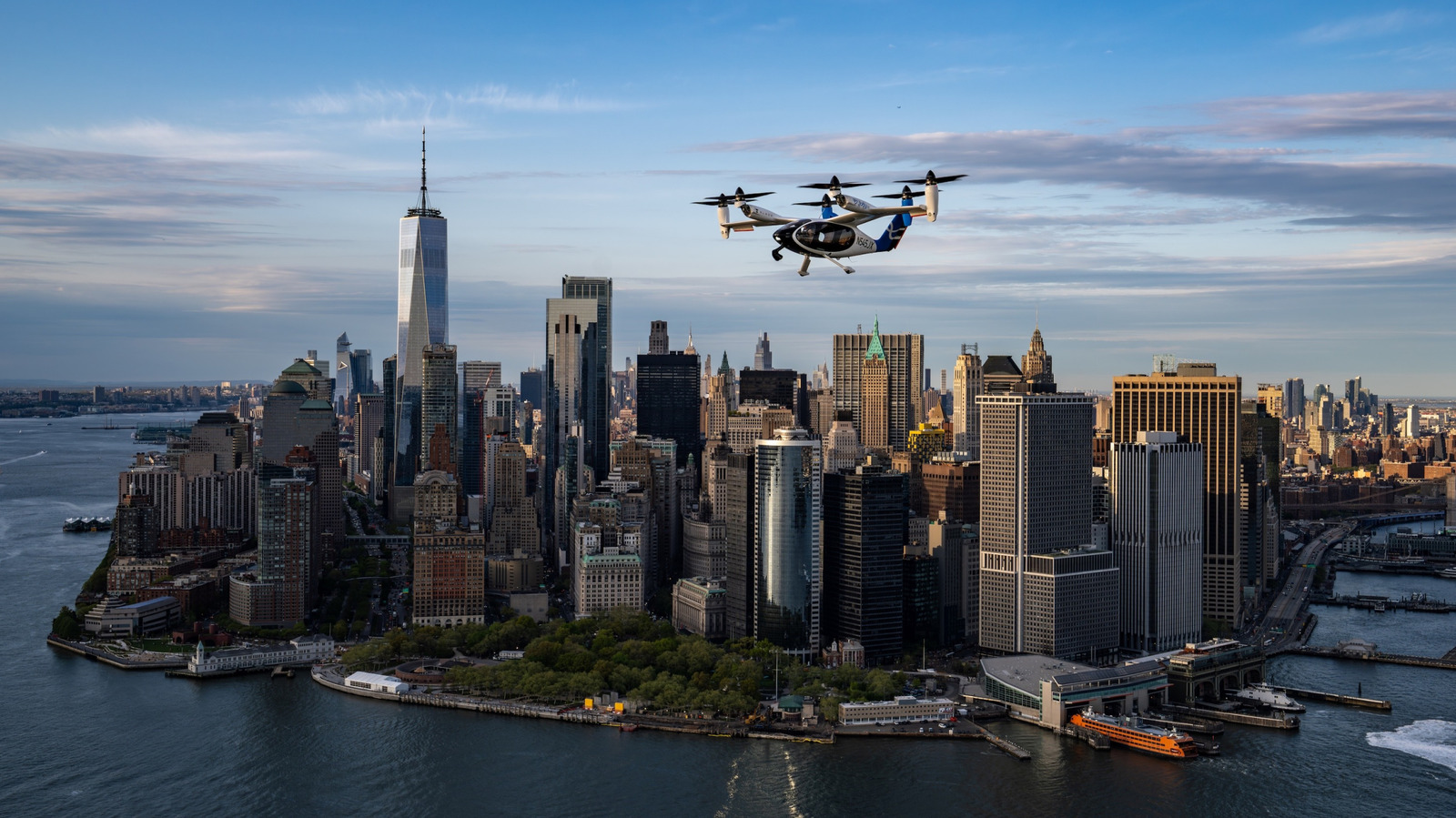
Flying taxis made headlines again with a successful test flight over New York City, and this piece looks at what that moment means for commuters, regulators, and the technology itself. I’ll walk through the technology on display, the practical hurdles that remain, how cities might adapt, and what riders can realistically expect next. The tone stays clear and conversational while sticking to the facts about safety, airspace, and infrastructure.
The test flight showed a vertical takeoff and controlled transition to forward flight, demonstrating a key capability that separates flying taxis from traditional helicopters. That performance matters because it promises quieter, more efficient urban trips if scaled properly. The engineering on display is impressive, but a single flight is only one step in a long process toward widespread use.
Safety is the obvious first concern for anyone who hears the phrase flying taxi and thinks about boarding overhead. Developers emphasize redundancy, multiple rotors, and automated flight systems designed to handle failures without endangering people below. Regulators will insist on exhaustive testing before anyone gets to see these aircraft on regular routes over dense neighborhoods.
Airspace management is the other technical challenge that can’t be ignored, since cities already juggle helicopters, drones, and commercial air traffic. Integrating low-altitude passenger flights requires new rules, traffic-control systems, and reliable communications to prevent conflicts. Urban air mobility needs both hardware and software that talk to each other in real time to keep skies safe.
Noise and community impact will determine public acceptance more than shiny specs and fast demonstrations. Quiet electric propulsion promises improvement over internal combustion helicopters, but real-world noise varies by altitude, speed, and neighborhood layout. Cities that want these services will need clear standards and routes that respect residents’ quality of life.
Infrastructure is another piece of the puzzle that often gets overlooked in early headlines about test flights. Vertiports, charging stations, and passenger facilities must be planned with zoning, power supply, and emergency access in mind. That means coordination across transit agencies, utility companies, and private operators to turn a prototype into a reliable service.
Cost and accessibility will shape whether flying taxis become a niche luxury or a practical part of daily transport for many people. Early pricing will likely favor wealthier commuters unless operators find ways to lower costs through scale, automation, or public-private partnerships. Policy choices and market competition will play big roles in determining who benefits from this new form of mobility.
Regulatory timelines will drive how quickly these vehicles move from tests to routine operations, and those timelines are naturally cautious. Aviation authorities need data, repeated success, and clear procedures for certification and pilot or autonomous control standards. Cities that prepare governance frameworks now will be in better shape to adopt services when approvals arrive.
Ultimately, the New York test flight is a meaningful milestone but not a finish line, because deployment touches technology, regulation, infrastructure, and community consent. Each successful demonstration builds confidence, but converting that into everyday trips will take coordinated planning and patience. If stakeholders stay practical and prioritize safety and fairness, flying taxis could become another tool in the urban mobility toolbox.
