
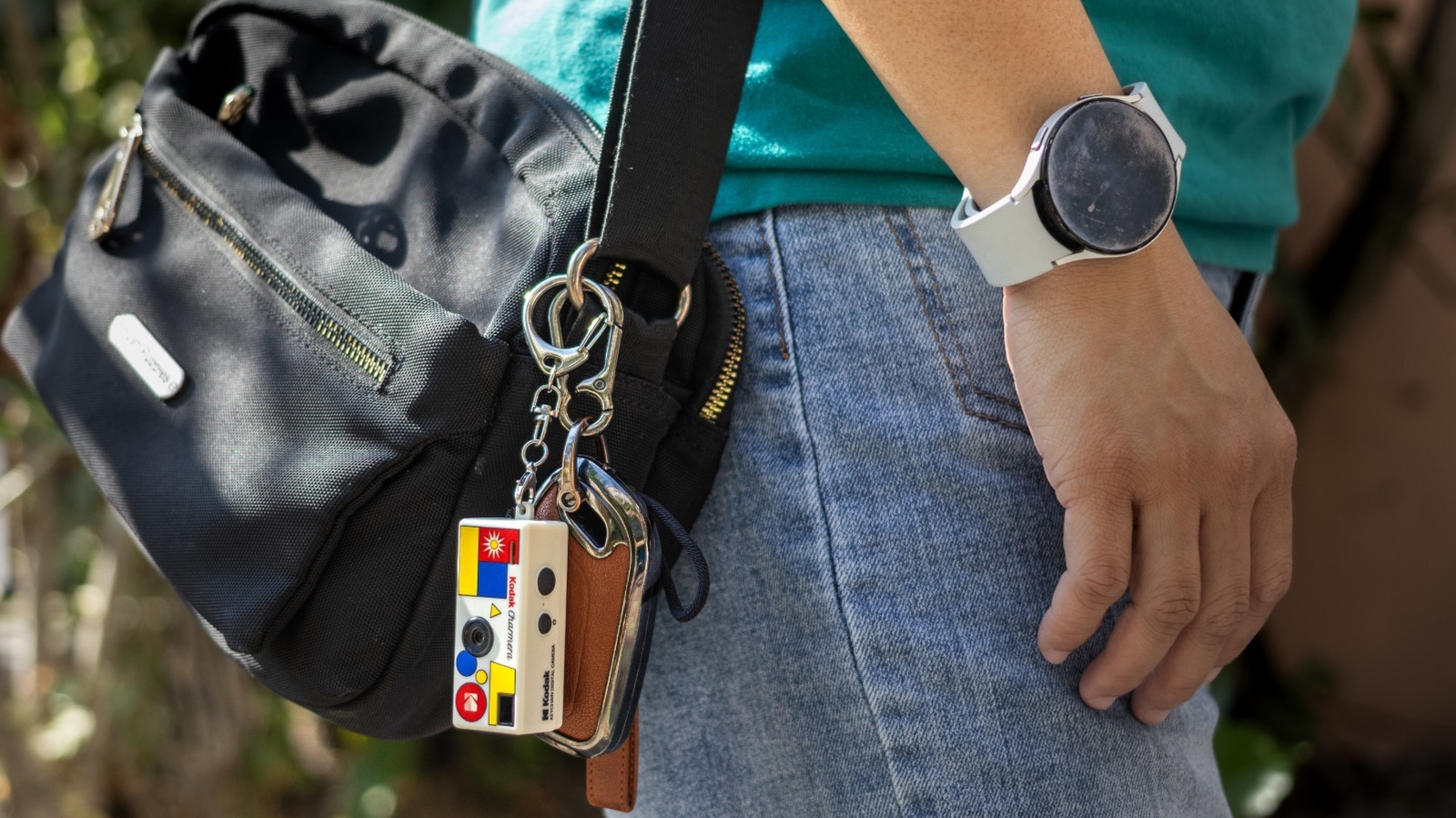
Amazon can feel like a vast flea market where everything from brilliant bargains to downright junk sits elbow to elbow; this piece shows how to separate the useful from the useless and land a genuinely fun find without wasting time or money.
Scanning Amazon can be overwhelming because the site is engineered to surface endless options. That abundance is a feature and a flaw: you can discover clever tools and delightful trinkets, but you’ll also wade through a river of low-quality knockoffs. Knowing what to watch for makes the whole process less like gambling and more like strategic treasure hunting.
Start by sharpening your search. Generic queries pull in everything, so use precise phrases and filter by verified purchases or top-rated sellers. Narrowing results by price band and review volume will cut down noise and highlight items that actually perform as advertised.
Pay attention to reviews with photos and detailed writeups. Short, one-line endorsements are easy to fake, but pictures and real usage notes reveal how an item holds up over time. Look for consistent praise about the same features rather than a long list of unrelated compliments.
Consider the return policy and warranty before you click buy. A cheap gadget is only cheap if the vendor stands behind it; otherwise you pay twice when it fails. Sellers who offer clear refunds and responsive support tend to be more reputable, and that peace of mind matters for riskier buys.
Think about build materials and design over flashy specs. A product that looks sturdy and thoughtfully designed will usually outlast one that relies on marketing buzz. Small details like reinforced seams, quality zippers, or solid metal parts often tell a truer story than a catchy product description.
Don’t ignore niche brands and small makers. Big names dominate the listings, but independent creators sometimes produce clever, higher-quality items tailored to real needs. Supporting those sellers can also mean better customer service and unique finds you won’t stumble on in every cart.
Use complementary tools to validate a purchase. Price tracking extensions, review aggregators, and third-party test reports can confirm whether a deal is actually worth it. When a bargain looks too good to be true, a quick cross-check usually reveals why.
Balance curiosity with restraint and treat impulse buys like experiments. Pick one or two affordable items that catch your eye rather than filling your basket with dozens of questionable gadgets. That approach keeps disappointment low and the occasional gem feels much more rewarding.
