
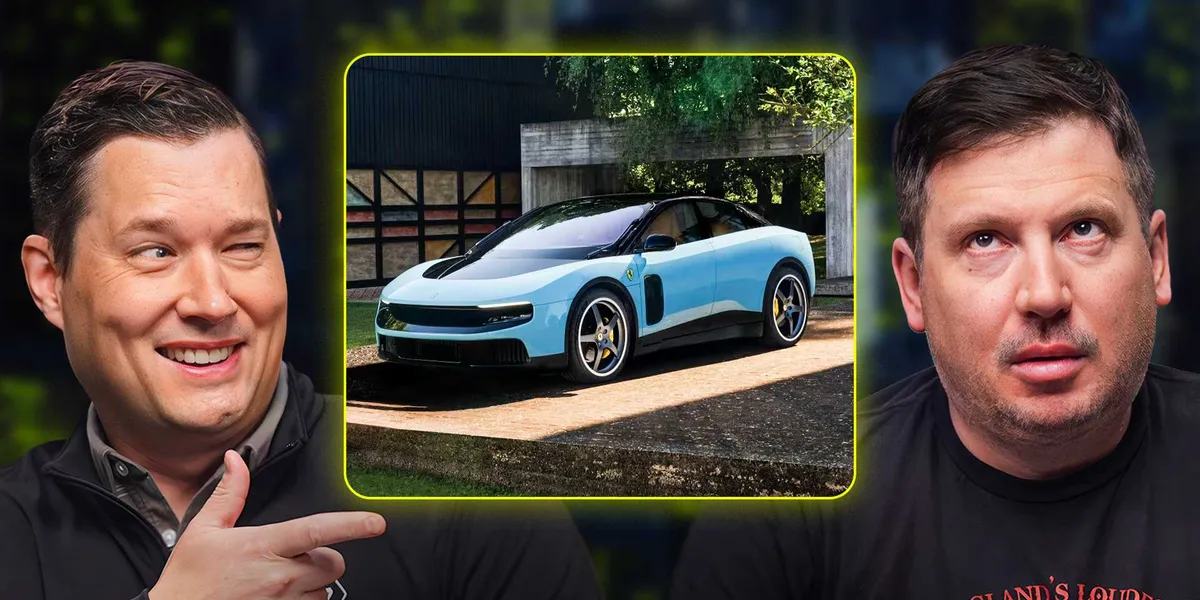
Ferrari has unveiled its first fully electric car, a high-priced luxury EV reportedly near $640,000 and shaped in part by former Apple designer Jony Ive, and the reveal has sparked blunt criticism from BlazeTV hosts who say the car loses the brand’s soul and signature appeal.
The new model is said to borrow its name from the Italian word for light and represents a major shift for a company built on roaring engines and Italian design drama. Expectations were enormous and that contrast helped fuel the sharp reactions from commentators who watched the launch unfold.
One of the first takes was blunt and immediate on-air, summing up the moment with a dose of skepticism about how the car would land in the market. “There’s certain things that happen when you’re watching one of these big product reveals where you don’t need to necessarily have the market dynamics to know immediately, like, this is just not going to work. It looks terrible,” Stu says.
Beyond the price tag and tech pedigree, the hosts argued the aesthetic choices matter as much as the powertrain shift. “It doesn’t look like a Ferrari. It looks like they kind of tried to meld some tech device with kind of … an American muscle car … but of course without the cool engine,” he continues.
The design pedigree drew attention, especially since Jony Ive’s involvement links the car to the same minimalist DNA that defined modern consumer tech. “It is designed by the guy who designed the iPhone,” co-host Dave Landau points out, adding that “it is a tech device.”
The criticism touches on brand identity and whether a storied automaker should stretch for a new category at the expense of what made it iconic. “These companies need to understand, you don’t have to be everything to everybody. You can just be an awesome Italian car company with great engines, and you’ve lived that way for a very long time. You don’t have to please the EV market. Let another company do that,” Stu says.
For many enthusiasts, Ferrari’s cachet springs from visceral engine notes, razor-sharp handling and a design language that announces itself without compromise. The hosts warned that swapping that for a tech-focused, silent electric experience risks alienating a core audience who bought the brand for very different reasons.
The argument isn’t just nostalgic resistance to change; it’s a commercial warning about chasing trends at the top end of the market. “You’re ruining the thing that people want,” Dave agrees, adding, “and then you’re just putting this electric in there, and people don’t want it.”
Ferrari’s move into electric cars is part of a broader industry push toward electrification, but the debate highlights the tension between innovation and preservation. As traditional marques pivot, they face the tricky task of balancing new technology with the emotional and cultural signals that defined them for decades.
Whatever the ultimate market reaction, the launch has already sparked a vigorous conversation about design, identity, and strategy at the highest end of the auto world. The exchange between the hosts captures one side of that debate: a warning that not every legacy brand has to become a generalist to stay relevant, and that some choices may cost more than they earn in goodwill.
