
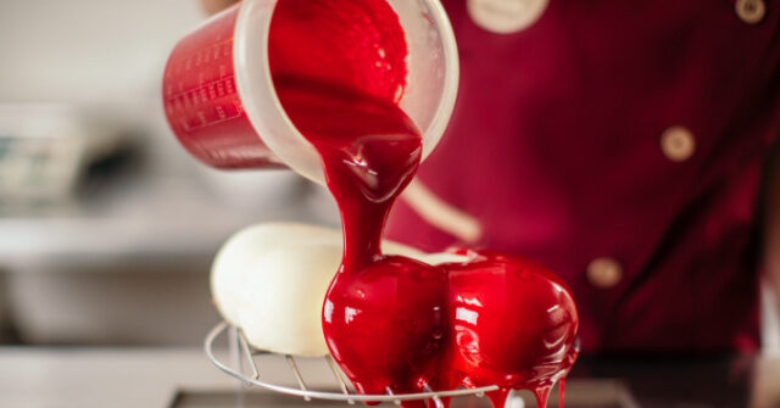
The Food and Drug Administration (FDA) is considering banning the artificial food dye Red No. 3, a petroleum-based additive known for its bright cherry-red hue, in response to growing health concerns. According to FDA Deputy Commissioner for Human Foods Jim Jones, the agency may act on a petition seeking to revoke the dye’s approval within weeks.
Jones made the announcement during a Senate meeting on Thursday, noting that the decision would address longstanding concerns raised by consumer health advocates. The dye, which has been linked to cancer in lab animals, remains a common ingredient in candies and other brightly colored foods, despite being banned for use in cosmetics more than 30 years ago.
In October 2023, California became the first state to ban Red No. 3 along with three other controversial additives—brominated vegetable oil, potassium bromate, and propylparaben. These additives have been associated with harmful effects on respiratory, nervous, and reproductive health.
Despite California’s proactive stance, Red No. 3 continues to be used in food products nationwide, including popular items like candy corn and Pez. Critics argue that the FDA’s inaction on food-related use has allowed the additive to remain a hidden threat in everyday snacks.
Congressman Frank Pallone Jr. (D-NJ), the House Energy and Commerce Committee’s ranking member, recently issued a press release urging the FDA to act swiftly. Pallone emphasized that Red No. 3, chemically known as erythrosine, is a known animal carcinogen with potential lifelong health impacts on children.
“There is simply no reason for this chemical to be in our food except to entice and mislead consumers by changing the color of their food so it looks more appealing,” Pallone said. He further criticized its presence in popular holiday treats, adding, “It is frightening that this chemical remains hidden in these foods that we and our children are eating.”
Red No. 3 has been a contentious additive for decades. In 1990, the FDA banned its use in cosmetics after studies linked it to cancer in lab animals. However, the dye has remained approved for food and beverage applications.
The FDA’s own list of certified color additives currently includes nine approved dyes, such as FD&C Red No. 40 and Yellow No. 5, despite ongoing debates about their safety. The persistence of Red No. 3 in the food industry reflects broader issues around regulatory oversight and the difficulty of balancing public health with commercial interests.
President-elect Donald Trump has appointed Robert F. Kennedy Jr. to lead the Department of Health and Human Services. Kennedy, known for his advocacy against corruption in federal agencies, has pledged to “Make America Healthy Again.” This includes addressing long-standing concerns about chemical additives in food and ensuring greater transparency in regulatory decisions.
Kennedy’s appointment has fueled hope among health advocates that the incoming administration will take a stronger stance on food safety. As Kennedy takes the reins, the potential ban on Red No. 3 could be an early litmus test of the administration’s commitment to reforming the FDA and protecting public health.
The potential health risks of Red No. 3 extend beyond cancer. Studies suggest that exposure to artificial dyes can impact children’s behavior, including increasing hyperactivity in some cases. This has led parents and educators to advocate for stricter regulations on synthetic additives in foods marketed to children.
Critics argue that the presence of Red No. 3 and other artificial dyes in widely consumed products reflects a disregard for consumer safety. The dye’s use in candies, baked goods, and beverages raises concerns about cumulative exposure, especially during the holiday season when such items are consumed in greater quantities.
If the FDA moves to ban Red No. 3, it would mark a significant step toward aligning U.S. food safety standards with those of other nations. Many European countries have already banned or restricted the use of synthetic dyes, opting instead for natural alternatives derived from plants and minerals.
While a ban could face resistance from industry stakeholders, consumer advocacy groups see it as a necessary step to protect public health. As calls for greater transparency and accountability grow louder, the FDA’s decision on Red No. 3 could set a precedent for addressing other controversial additives in the American food supply.
For now, the future of Red No. 3 hangs in the balance, with the FDA under increasing pressure to act decisively. Whether the dye’s removal becomes a reality will depend on the agency’s willingness to prioritize public health over industry lobbying—a challenge that may soon come to a head as a new administration takes office.
This ongoing story highlights the intersection of public health, regulatory policy, and consumer awareness, reminding Americans to stay vigilant about what’s in their food.

2 Comments
Why should Democrats care about the health of children as they advocate gender blockers and other gender agendas over the rights of their parents.
Just so Joey can take credit!!! Joey is slime on your shoe!!!