
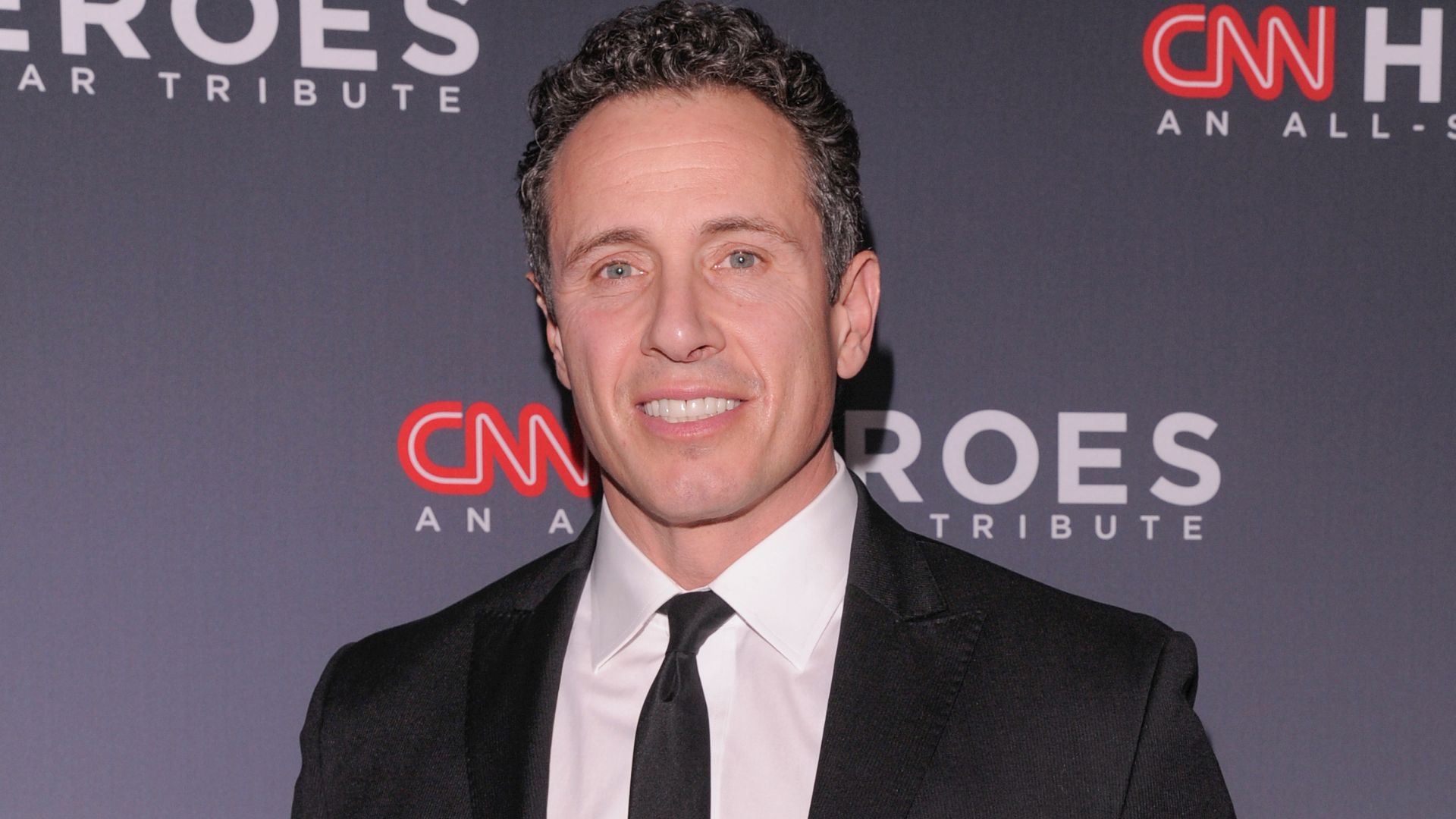
Chris Cuomo, in a candid chat with Benny Johnson, voiced his stark thoughts about the Democratic Party, saying, “The Democratic Party is dead.” He drew from his life experiences and upbringing to explain that today’s party does not align with the values he grew up with. Cuomo reminisced about his father, a staunch Democrat, and how the party he once knew has vanished.
Cuomo shared memories of his father’s political battles, which were against the backdrop of Reagan’s era and trickle-down economics. He painted a picture of a time when the Democratic Party was about protecting everyday folks while ensuring the government stayed within its limits. His dad’s vision, he said, was to support the little guy without unnecessary government intervention.
Reflecting on his father’s time, Cuomo mentioned that the Democratic Party was all about offering opportunities through a free market. It was a time when capitalism was about fairness, not socialism, with a focus on education and public services. He expressed regret that no Democrat then would have pushed for open borders or other modern policies.
Cuomo argued that the political landscape has shifted considerably since his father’s days. He pointed out that the roles of Democrats and Republicans have flipped, with Republicans now resonating more with those feeling left behind by elites. This change, he suggested, is driven by convenience and the passage of time.
He spoke about his family’s immigrant roots and how a free market was central to their dreams. For Cuomo’s father, the chance to compete in America was a dream worth pursuing, far from the feudal constraints of rural Italy. He highlighted the importance of ambition and dreams in shaping his family’s journey.
Turning his attention to today’s media and political environment, Cuomo criticized the cycle of provocation over meaningful dialogue. He lamented how sensationalism has taken over, with little regard for accountability or responsibility. In his view, this focus on clicks and views isn’t helping society progress.
Cuomo’s comments on elitism, open borders, and socialism were pointed, suggesting these issues have led to the decline of the modern Democratic Party. He expressed bafflement at his brother’s continued affiliation with a party he no longer recognizes. His words painted a picture of a party unrecognizable from the one his father championed.
During the podcast, Cuomo emphasized that traditional political labels no longer fit the current landscape. He noted that the values he associated with his father’s era, like limited government and personal freedom, have faded from today’s Democratic Party. This shift in priorities and tone has left him disillusioned.
Cuomo’s reflections hint at a broader political realignment, with old alliances and labels becoming obsolete. He sees the changes as a departure from the principles he admired in his father’s generation. His disappointment was palpable as he described a party that no longer champions the “little guy.”
His critique of the media and political climate revolved around the lack of accountability. Cuomo believes that provocation without responsibility has become the norm, overshadowing meaningful discussions. This trend, he argued, is not leading to any real progress.
Cuomo’s remarks painted a vivid picture of a party once grounded in opportunity and fairness, now lost to modern politics. He recalled a Democratic Party that valued a balanced approach to governance, one that didn’t interfere unnecessarily in personal lives. This past vision starkly contrasts with today’s political reality.
His observations on the shifting political roles highlighted how the parties have evolved over time. Cuomo’s commentary suggested that Democrats and Republicans have swapped their core constituencies and motivations. This evolution, in his eyes, is a significant departure from the past.
Cuomo’s reflections on his family’s immigrant experience underscored the importance of the American dream. He spoke of a time when the promise of a free market was a beacon of hope for his family. This narrative of ambition and opportunity was central to his father’s political beliefs.
In discussing today’s political and media landscape, Cuomo expressed frustration with the focus on sensationalism. He criticized the lack of accountability and the preference for provocation over substance. This trend, he argued, is not conducive to meaningful progress.
Cuomo’s conversation with Johnson revealed his deep-seated disillusionment with the current Democratic Party. He reminisced about a time when the party stood for the little guy and limited government. His reflections offered a stark contrast to his views on today’s political climate.
The discussion highlighted Cuomo’s belief in the importance of opportunity and a balanced government approach. He lamented the loss of these values in the modern Democratic Party. His words echoed a longing for the principles his father once fought for.
Throughout the conversation, Cuomo emphasized the disconnect between past and present political values. He voiced his disappointment with the direction the Democratic Party has taken. This shift, he suggested, has left him and others feeling disenfranchised.
Cuomo’s reflections offered a personal lens on the broader political changes over the years. His observations painted a picture of a party that has drifted from its roots. The conversation revealed his yearning for a return to the values of his father’s era.
In closing, Cuomo’s critique of the media and political environment was a call for accountability. He urged a move away from provocation towards meaningful dialogue. His reflections were a reminder of the values that once defined his father’s Democratic Party.
