
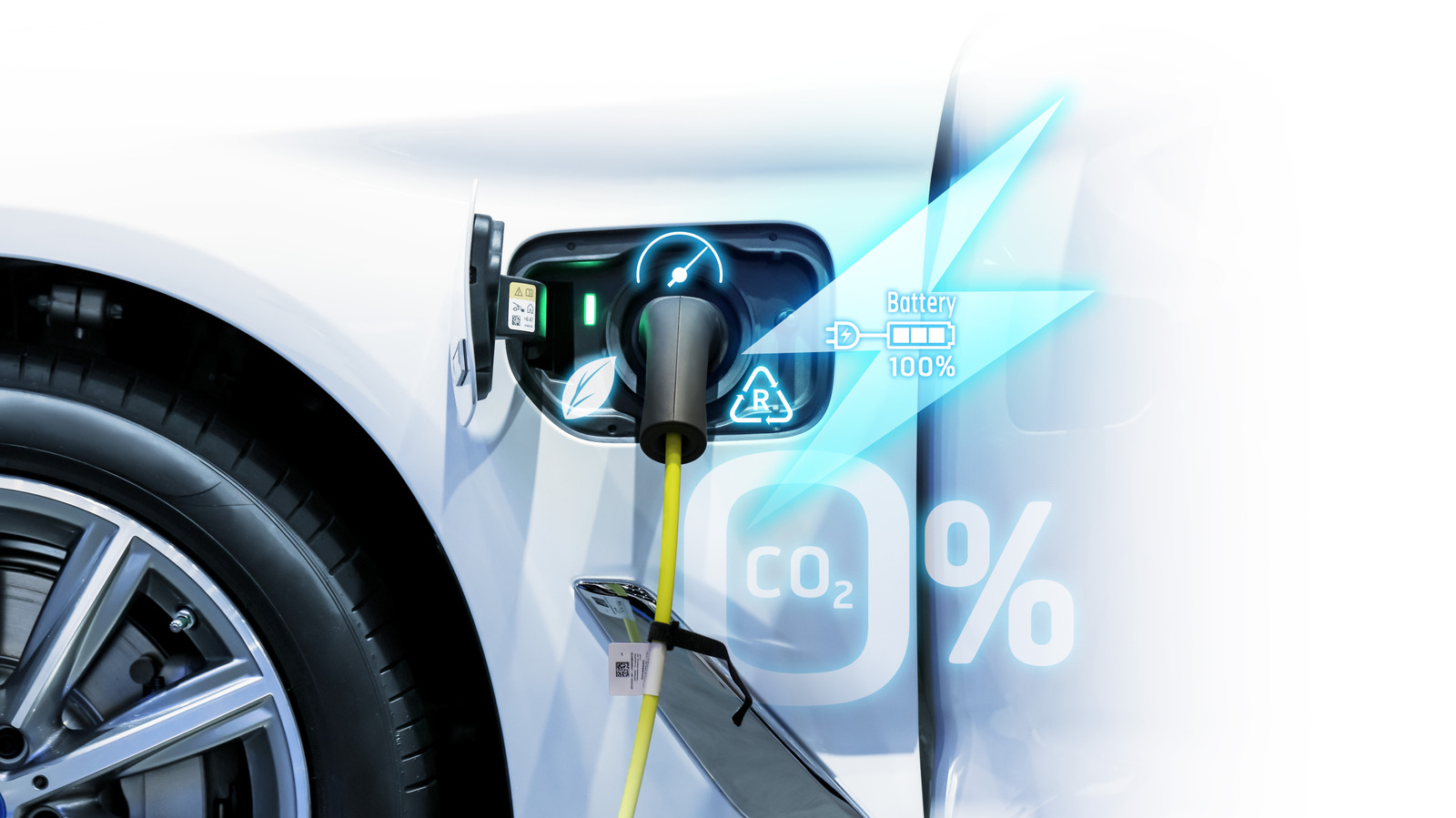
EV batteries have carried a lot of baggage for years, mostly because people expected them to age like phone batteries and fade fast. But the latest research paints a very different picture, one where many packs can stay healthy far longer than early guesses suggested, and that changes the way people should think about electric cars. The real story is not just that batteries last, but that the industry may have been underestimating them by a wide margin.
For a long time, the fear made sense on the surface. Batteries are expensive, and nobody wants to buy a vehicle only to face a brutal replacement bill down the road. Still, recent data shows that everyday driving may be much gentler on EV packs than lab expectations once assumed, which helps explain why so many of these batteries are hanging on better than predicted.
One of the biggest reality checks came from Recurrent, which found that an EV could still keep about 95% of its driving range after five years. That is not a small difference from the doom-and-gloom forecasts people heard early on. It also makes official automaker warranties look surprisingly cautious, especially when many companies already promise strong battery retention for years.
A good example comes from a 2016 Tesla Model S 90D that spent nearly a decade as a UK airport taxi. According to InsideEVs, it covered around 430,000 miles on the original battery and motors, and still only lost about 65 miles of range. That puts the battery at roughly 78% capacity, which is a lot better than many drivers would expect from a pack under that kind of daily punishment.
So why were the estimates so far off? Part of the answer is how batteries were tested in the first place. Stanford researchers put 92 lithium-ion batteries through more than two years of testing and found that lab conditions were harsher than real life, while actual driving patterns gave the cells more breathing room and recovery time.
The surprising part is that routine use can be easier on batteries than the kind of nonstop stress engineers once imagined. Stop-and-go traffic, long parking periods, and even some harder acceleration may not hammer the pack the way people thought. In fact, one of the findings suggested that stronger acceleration could slow wear a little instead of making it worse.
That lines up with what Viet Nguyen-Tien of the London School of Economics told the Wall Street Journal, saying newer electric cars now hold up about as long as gas cars. The newer estimate for useful battery life sits somewhere around 15 to 20 years. That is a huge shift from the old assumption that an EV battery was a short-lived weak point that would need serious attention after only a few years.
At the same time, the hardware itself has been improving fast. Battery prices have fallen by more than 90% since 2010, according to BloombergNEF, and the packs coming out now are more consistent and smarter about how they manage energy. Better software helps squeeze more life from the same chemistry, which makes the whole system more durable than the early generation of EVs.
Fast charging has also been a major worry, with many drivers assuming it must chew through battery life in a hurry. The numbers do show some effect, but not the disaster people often picture. A January 2026 Geotab study found average annual degradation around 2.3%, with heavy DC fast-charging vehicles closer to 3.0% and home-charged cars around 1.5%.
Heat matters too, and it is one of the few places where the difference becomes easier to see. Vehicles used in hotter climates wear down a bit faster, by about 0.4% more each year than cars in milder weather. Even so, the bigger takeaway is hard to miss: the battery problem is looking less like a ticking time bomb and more like a piece of EV tech that is settling in, getting tougher, and quietly outperforming the old assumptions.
