
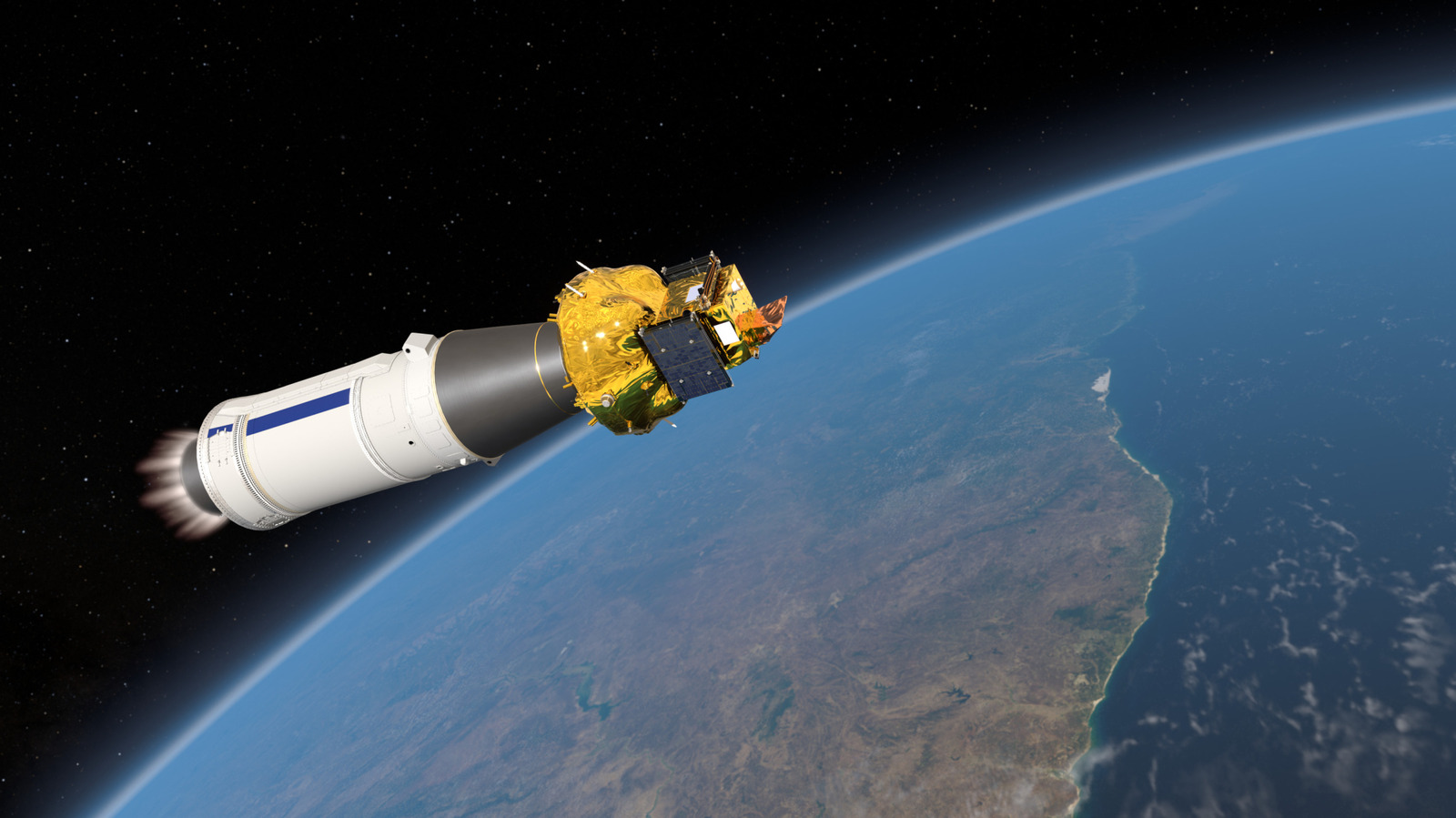
The European Space Agency has teamed up with China to design, build, and launch a new satellite intended to gather a class of data we have not previously collected at scale, and this article explores why that matters for science, technology, and international cooperation. The effort mixes practical goals—better measurements, improved models—with diplomatic and technical complications that deserve close attention. Below you’ll find a clear, conversational look at what the mission aims to do, how it could change research, and the questions it raises about access and oversight.
The satellite is meant to fill real gaps in our observational toolbox, targeting measurements that have been sparse or inconsistent across regions. For scientists, missing data translates directly into blind spots in climate models, weather forecasts, and understanding of Earth systems. Getting a steady stream of high-quality observations can refine predictions, reduce uncertainty, and improve decision-making for everything from agriculture to disaster response.
Working with China brings clear technical advantages: a large industrial base, matured launch capabilities, and complementary engineering expertise. Pooling resources can get complex instruments into orbit faster and at lower marginal cost than going it alone. That kind of efficiency can accelerate timelines for research that would otherwise wait years for funding or technical readiness.
There are also practical concerns that come with such partnerships, particularly around data governance and the rules that govern access. Who gets the raw measurements, how quickly they’re shared, and whether datasets are fully open to the global research community are crucial questions. Transparent agreements and robust archiving policies are essential if the scientific value is to be realized equitably.
Beyond the policy issues, the engineering challenge is significant but straightforward: designing sensors that can capture novel signals reliably over time. Calibration, cross-validation with existing instruments, and long-term stability are the nuts and bolts that turn a cool idea into trustworthy science. Success depends on meticulous testing and an honest accounting of instrument limitations so researchers can use the data properly.
The potential payoff is tangible: new datasets can reveal processes we only suspected, sharpen regional forecasts, and feed models that support practical planning. For instance, improved satellite observations can refine flood risk maps, help farmers plan planting cycles, and guide emergency response during extreme events. Those real-world benefits are why so many agencies invest in spaceborne observations despite the cost and complexity.
International collaboration on satellites also shapes the culture of science. Shared missions build networks of researchers who exchange methods, train students, and standardize protocols across institutions. Those human connections often outlive any single satellite, spreading knowledge and best practices that improve future projects. That cultural impact is sometimes as valuable as the data itself.
At the same time, strategic considerations cannot be ignored: space capabilities have dual uses, and partners must be candid about secondary applications and export controls. Clear, enforceable agreements can reduce friction and protect sensitive technologies without kneecapping cooperation. A pragmatic approach balances scientific openness with safeguards that prevent unintended transfers of critical capabilities.
Looking ahead, the real test will be follow-through: whether the mission delivers the promised measurements on schedule, and whether the data are curated and shared in ways that maximize scientific return. If it works, the joint satellite could become a model for future cooperative missions that tackle shared global problems. If it falters on transparency or technical reliability, the lessons will shape how agencies partner next time.
