
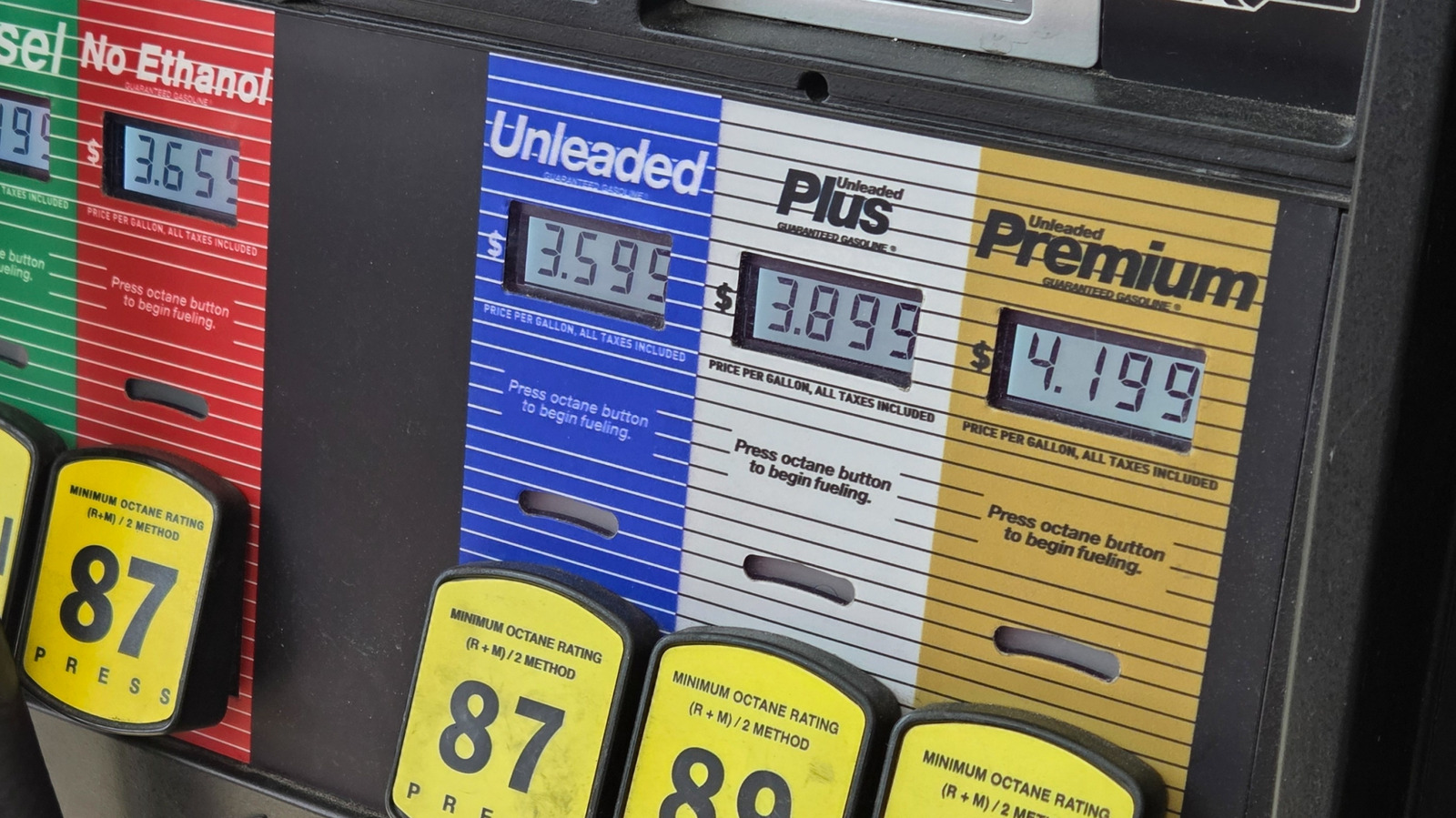
Consumer Reports put premium gasoline to the test and found that for most drivers the extra cost doesn’t buy noticeable benefits, creating a real chance to cut fuel bills without sacrificing performance. This article explains why premium feels superior, what octane actually does, who truly needs higher-octane fuel, and how to make a simple, practical decision at the pump. Expect clear, down-to-earth guidance you can use the next time you pull up to the gas island.
Carmakers and gas stations have trained drivers to believe premium is a superior product, and the marketing sticks because it sounds smart. In reality, the octane rating that premium offers only matters when an engine is tuned to take advantage of that higher resistance to knocking. For lots of everyday vehicles, that extra octane ends up doing very little.
Octane isn’t power; it’s a measure of how resistant fuel is to detonating under pressure. High-compression engines, performance cars, and some turbocharged motors are built to benefit from those properties. If your engine requires higher octane, you’ll see it in the owner’s manual or hear persistent knock when using lower-rated fuel.
Consumer Reports’ experiments showed that many modern engines can adjust ignition timing to avoid knock when fed regular gas, so the supposed power and efficiency gains from premium rarely materialize. The add-on detergents and stabilizers in certain upper-tier fuels can help keep injectors clean, but those benefits can often be achieved with scheduled maintenance and quality gas from reputable stations. In short, premium won’t magically boost mileage or horsepower for most commuters.
The financial side is simple and compelling. Paying more at every fill-up adds up fast over months, and if there’s no measurable performance or efficiency improvement, that money is wasted. Drivers who switch from premium to regular when their vehicle doesn’t require it can see noticeable savings over a year, money that can instead go to maintenance, tires, or just the household budget.
Practical steps are straightforward: read the owner’s manual first and follow the manufacturer’s requirement. If it says premium is required, use it; if it says recommended, you can experiment by trying regular and watching for pinging or a drop in responsiveness. If knocking occurs or the check-engine light appears, switch back to the specified fuel and consult a mechanic.
There are exceptions where sticking with premium makes sense beyond the manual’s wording. High-mileage older engines, certain performance cars, and some turbocharged setups can be more sensitive to fuel quality and will perform or last better with higher-octane blends. Also, if you’re running an engine tuned after-market or at higher boost levels, premium can protect against damage.
For most drivers in everyday cars, though, the takeaway is pragmatic: don’t buy premium because it sounds better—buy it because your engine needs it. Making that choice can be one of the easiest ways to trim fuel costs without compromising reliability, while keeping the true benefits of higher-octane fuel for the vehicles that actually require it.
