
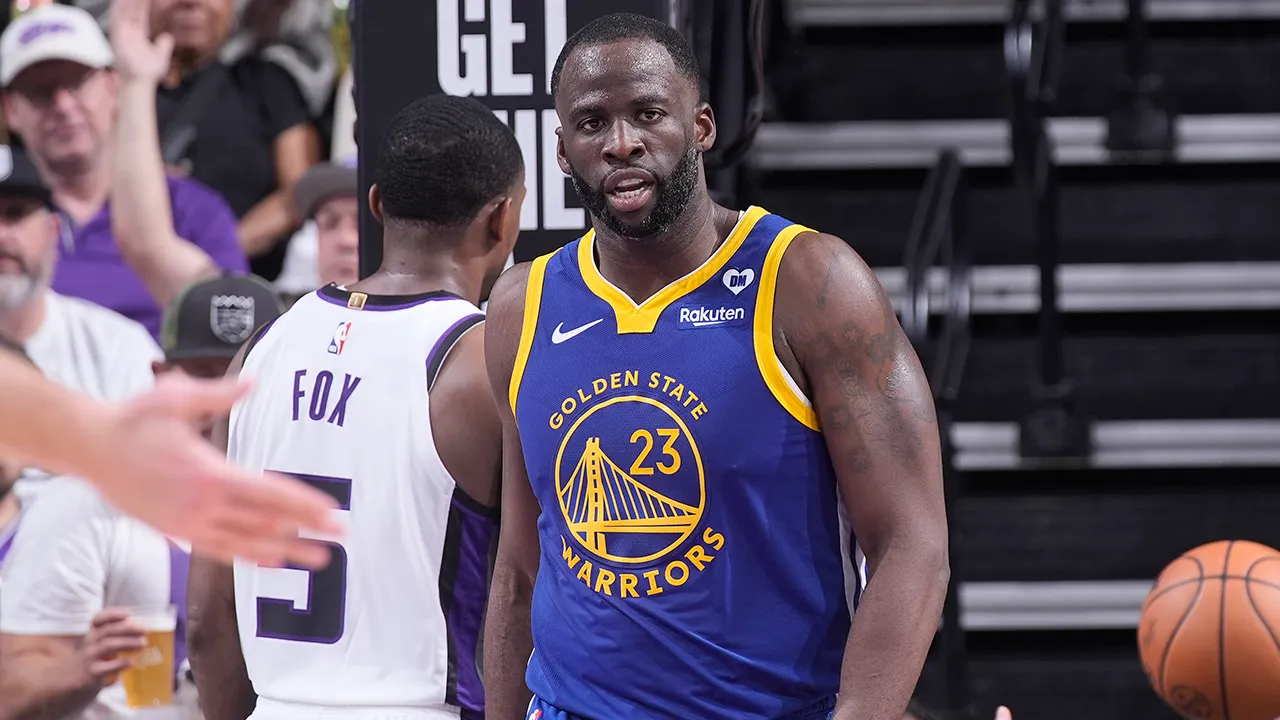
Quick look: a tense on-air moment on Inside the NBA sparked a back-and-forth between Draymond Green and Charles Barkley, followed by a public apology and plenty of reaction. This piece walks through what happened, how Green handled it afterward, and why the exchange matters beyond a single TV show. Expect clarity, a few strong takes, and no fluff.
The moment that set everything off happened live, and it ricocheted through social feeds and sports talk fast. The exchange was sharp enough to make viewers wince and colleagues take sides, turning a routine segment into a headline. Television chemistry can be fragile, and when cracks show up in prime time they get magnified.
“Draymond Green and Charles Barkley traded shots after a controversial Inside the NBA moment, with Green offering a public apology on his podcast.” That line captures the core fact exactly and sits at the center of what followed, because public apologies change the tone of any feud and force a broader conversation. When an apology comes on a podcast, it reaches an audience that expects transparency and unfiltered explanation.
Green’s decision to address the situation on his own platform is telling about how athletes handle mistakes today. The podcast format gives space to explain context, show contrition, or push back on criticism without the interruption of a live studio. It also expands the story: a clip from a show becomes a longer narrative across multiple media channels.
Barkley’s response was what you’d expect from a veteran with a loud voice and a short fuse for theatrics that cross the line. He didn’t exactly pull punches, and the exchange highlighted a generational style clash as much as a personal spat. For viewers, the heat added another layer of entertainment value, but it also raised questions about professionalism and respect among colleagues.
People reacted in predictable and less predictable ways, splitting between those who wanted an apology and those who wanted to move on quickly. Social media amplified every clip, every soundbite and every defensive counterpoint until nuance got buried under hot takes. That dynamic makes handling fallout more complicated, because a single comment can be replayed endlessly and reframed by different audiences.
The network has an interest in keeping the vibe professional while also recognizing the ratings bump controversy can bring. Producers and talent managers watch these moments closely because they reveal fault lines in chemistry and brand image. How TNT navigates the aftermath will say a lot about what it values: accountability, spectacle or both.
Green’s history of outspoken moments means this incident didn’t arrive in a vacuum, and past behavior colors how apologies are received. Repeated controversies can make forgiveness harder and reduce the benefit of the doubt, so an apology needs to be specific and credible. Fans and critics will test whether words are followed by different behavior on future broadcasts.
At the end of the day, live TV is a high-pressure environment where big personalities collide and mistakes happen. What follows those moments—the apology, the pushback, the network’s response—often matters more than the initial clash. Expect the discussion to keep unfolding across podcasts and shows, because conflict sells and the fallout for all involved is far from over.
