
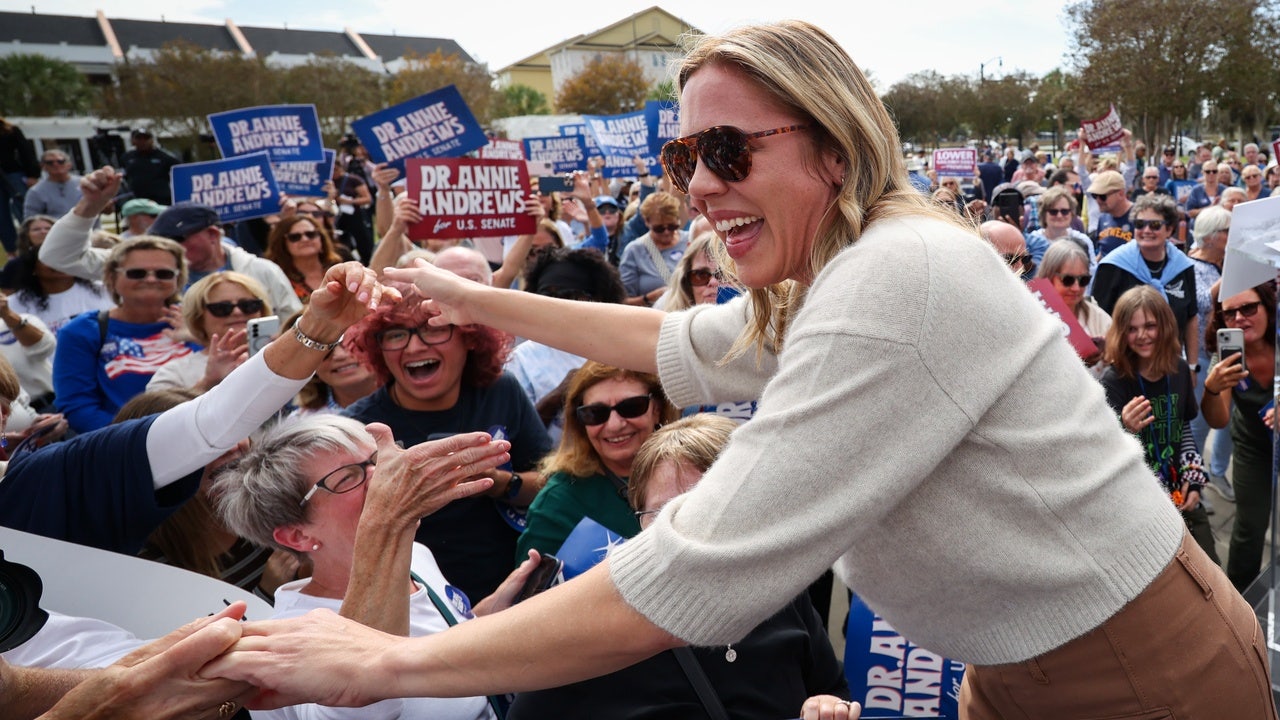
South Carolina is being asked to settle for the usual political noise, but that is not what voters need, and not what they should accept. The race is being framed around trust, discipline, and whether the next senator will act like a caretaker for Washington or a guardrail for the state. At the center of it all is a simple pitch: people want someone who will listen, stand firm, and put South Carolina first.
That message has been reinforced on the road, where the campaign has drawn in Republicans, independents, and frustrated voters who are tired of being treated like an afterthought. In town halls and backyard conversations, the same theme keeps coming up: families are focused on bills, safety, and stability, not inside-baseball political theater. The appeal is aimed at anyone who feels worn down by a system that seems built to serve itself.
The candidate casting the race this way is not running as a career politician. A pediatrician and mother of three, she points to years of caring for children and families as the kind of experience that teaches patience, urgency, and common sense. The argument is that medicine and public service both demand the same basic skill set: show up, pay attention, and make hard calls when it matters.
That ground-level approach has taken the campaign across every corner of the state, from farm country to coastal communities. Along the way, conversations have touched on tariffs, veteran care, gaps in local hospitals, and the daily strain felt by families who live far from power and even farther from the people making decisions. The frustration is not abstract. It is rooted in places where neighbors feel forgotten and where a senator is expected to know the difference.
Support from Republicans who are willing to cross lines has also become part of the story. Former GOP Gov. David Beasley backing the campaign gives it a louder signal, and the number of Republican leaders joining in suggests the race is not being sorted neatly by party labels. Some voters may disagree on plenty, but they can still agree on one thing: South Carolina needs representation that does not bow to every order coming out of Washington.
The contrast with the opponent is sharp and personal, but the sharper point is about readiness. A Senate seat is not a family handoff, and it is not supposed to be treated like one. Voters have heard enough polished talk from people who were placed into place by insiders, and there is little appetite for anyone who seems unsure about the job while the country is under pressure.
What makes the pitch land is the promise of independence, not in a vague slogan sense, but in the plain meaning of the word. The message is that South Carolina needs a senator who can tell both parties no when they drift off course. Democrats blow money without asking whether programs work, and Republicans can waste it on wars and giveaways that never seem to end. Voters who are sick of that kind of failure are not looking for another loyal foot soldier.
Fiscal discipline has become a major piece of the argument, especially with the national debt climbing and families getting squeezed from every direction. The proposed priorities include tighter rules for lawmakers, fewer perks for members of Congress, and policies that protect working households instead of hammering them. That kind of talk tends to travel well in a state where people notice quickly when government gets too comfortable spending other people’s money.
There is also a built-in warning embedded in the campaign’s tone: trust is earned, not inherited. That is why the pledge to serve no more than two terms stands out. It is meant to signal that the office belongs to the public, not to a political machine, and that anyone elected should be accountable enough to walk away when the job is done.
The campaign keeps coming back to the same promise because it is the part voters can measure. Show up in the district. Listen without acting like every answer is prewritten. Deliver something sturdier than slogans and more useful than party loyalty. In a state that has heard plenty of polished promises already, that kind of plain talk can still cut through.
