
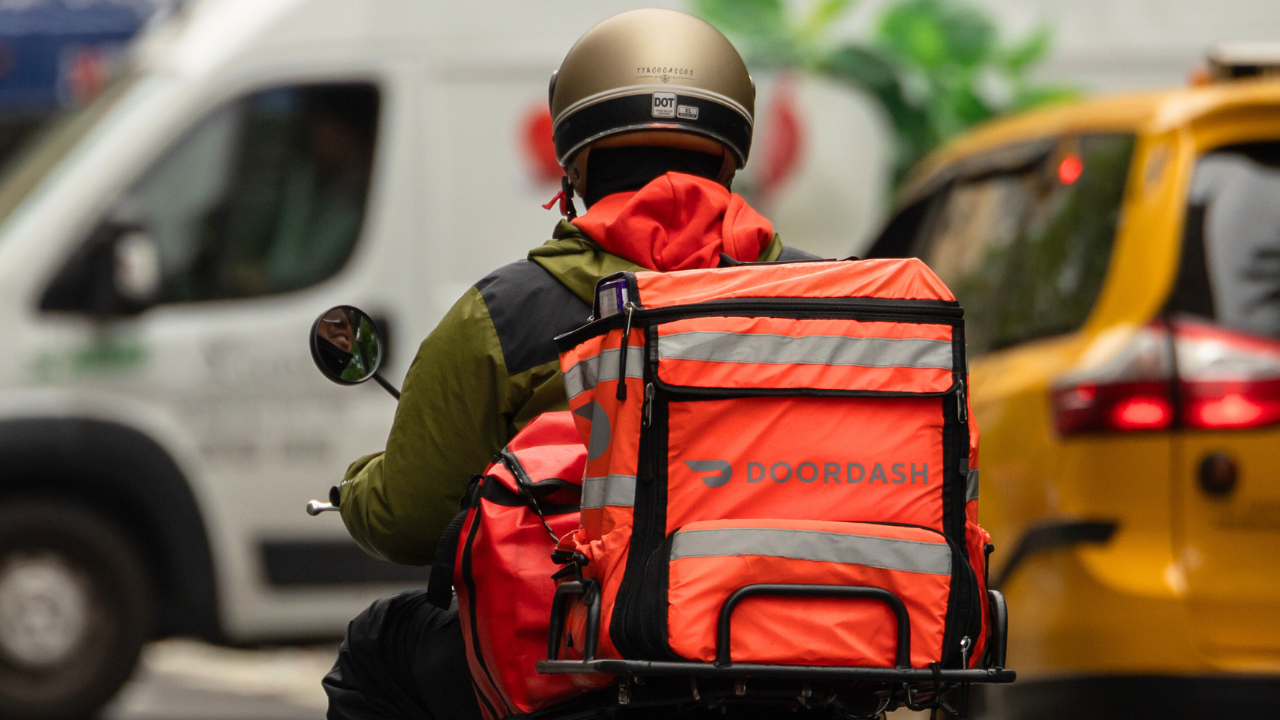
DoorDash is making a huge move in grocery delivery, agreeing to buy Instacart in a deal worth about $17 billion. The matchup puts two of the best-known app-based delivery names under the same roof and signals just how serious the fight has become beyond restaurant takeout.
The offer values Instacart shares at $65 each, which works out to roughly a 26% premium over the stock’s close on October 22, before the first public chatter about talks surfaced. That kind of price tag says plenty about how much DoorDash wants a stronger grip on grocery orders, where the growth story still looks a lot bigger than the old dinner-delivery lane.
Restaurant delivery helped build these companies, but the bigger prize now is groceries, convenience items, and retail orders that keep people coming back to their phones. As that market has matured, delivery firms have been forced to look for fresh ways to grow, and grocery has become the obvious target.
Tony Xu, DoorDash’s co-founder and CEO, described the category as especially tricky, saying, “Grocery is one of the hardest things to get right online,” while pointing to Instacart’s years of experience with grocers. That matters because the challenge is not just moving bags from point A to point B, but doing it reliably enough that shoppers trust the service again and again.
Demand has also been helped by consumers who are watching their budgets more closely and leaning into the convenience of online delivery. Higher gas prices have only added to the appeal, especially when a quick delivery can save a trip across town and cut down on extra spending.
The industry’s competitive pressure has only gotten sharper since the pandemic-era boom faded. Orders cooled from those peak levels, costs stayed sticky, and regulators kept a close eye on how gig workers are treated, creating the kind of environment where bigger players often decide to bulk up rather than stand still.
That has already led to a wave of major deals across the delivery space. Just Eat Takeaway bought Grubhub for $7.3 billion, DoorDash picked up Wolt and Deliveroo in 2025, and Uber followed with a $15 billion deal for Delivery Hero after earlier buying Postmates in 2020.
The timing here is also notable because grocery delivery has become a more strategic battleground for tech-enabled retail. Companies are no longer just racing to drop off lunch, since the real long-term value may come from building habits around weekly errands, household staples, and repeat purchases that are tougher to win and even harder to keep.
The transaction is expected to close at the end of 2027 or in the first half of 2028, which leaves plenty of time for regulatory review and for both companies to keep operating in a market that is still shifting fast. Instacart also disclosed in a regulatory filing that it plans to shut down its Caper Cart smart shopping-cart business by the end of the second quarter of 2027, with related pre-tax charges estimated at $55 million to $80 million.
