
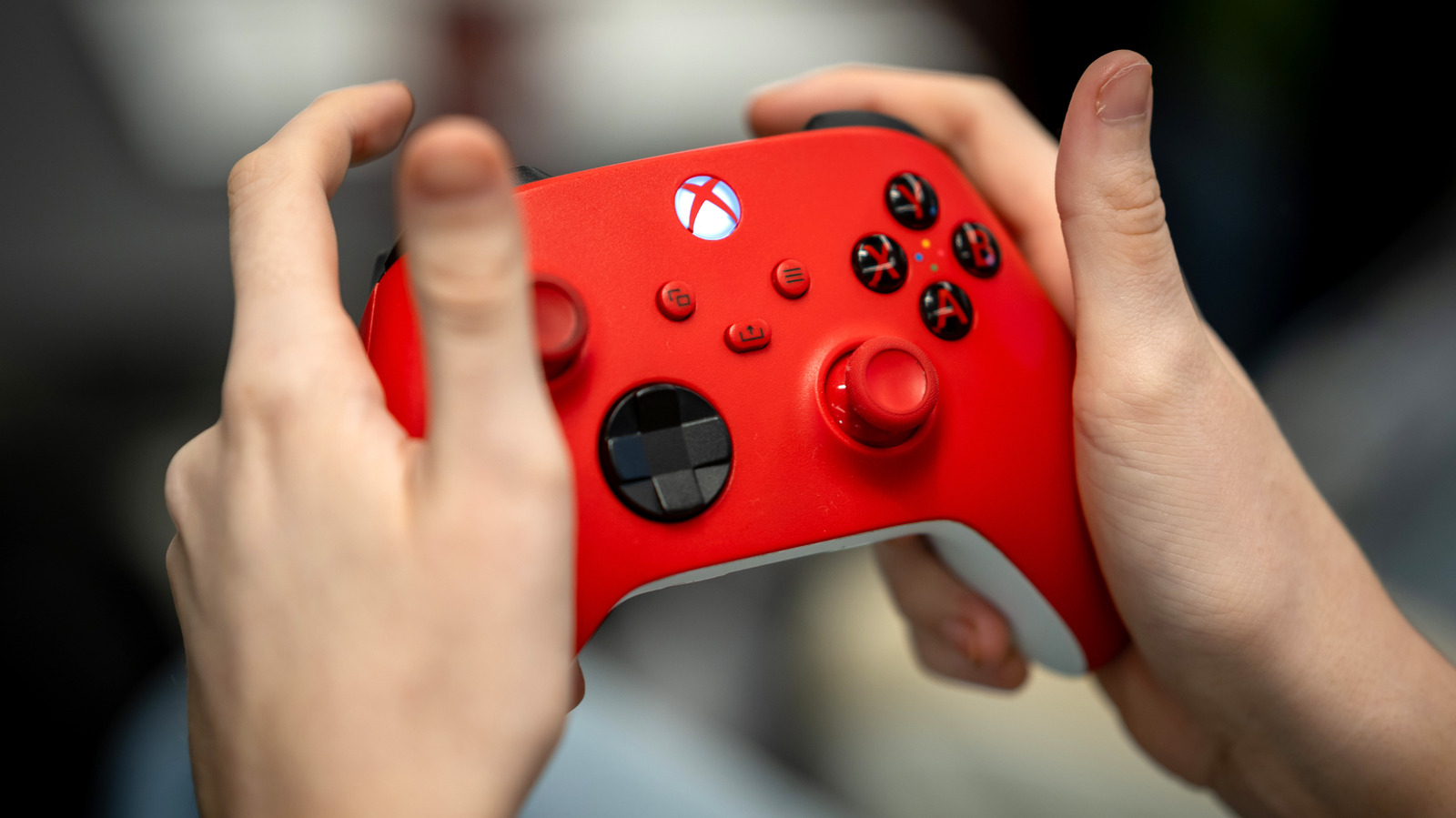
Modern video game controllers have evolved into precision input devices with sensors, haptics, and programmable logic that make them attractive for certain military roles, from training to remote vehicle control, and this article explores why that crossover makes sense and what challenges remain.
Video game controllers today are not just cheap plastic boxes. They pack motion sensors, pressure-sensitive triggers, high-fidelity vibration, and configurable layouts that let a single device serve many purposes. That versatility is exactly what draws non-gaming industries to consider them.
The core appeal is accessibility. Commercial controllers are mass produced, widely supported, and continuously iterated by companies chasing gamers, which drives down cost and pushes rapid innovation. Militaries can buy off-the-shelf hardware rather than paying for one-off development, and that can speed deployment for certain roles.
Functionally, modern controllers can be mapped to complex control schemes with little latency, which matters for piloting drones and unmanned ground vehicles. Their tactile feedback helps operators sense state changes without staring at screens, improving situational awareness in training and some operational settings. Familiar layouts also shorten training times because many recruits already know how to use them.
Human factors are a major advantage. Ergonomics built for long gaming sessions translate to reduced operator fatigue during extended missions or simulator runs. Programmable profiles allow teams to tailor button functions to specific tasks, letting a single controller serve infantry training, vehicle simulators, or robotics demos. The learning curve is small compared with bespoke military controls.
But the fit is not perfect. Commercial controllers are designed for home use, not for the electromagnetic and physical stresses of deployed operations. Firmware security, potential radio interference, and supply-chain trust are real concerns that require mitigation before these devices see fielded tactical use. Without careful vetting, an inexpensive controller could become a weak link.
Practical adaptations fix many of those limits. Rugged casings, waterproofing, and hardened connectors can bring durability up to acceptable levels for some missions. Adding tamper-resistant firmware, secure boot, and encrypted comms addresses cybersecurity concerns and keeps control channels from being an easy target. Those upgrades keep the cost and flexibility benefits while shoring up risk.
Integration with military systems also requires careful engineering. Mapping consumer protocols to secure, low-latency links and conforming to existing communications standards takes work, but it is feasible. When controllers are treated as an input layer rather than a full solution, they plug into simulators, remote-control stacks, and human-machine interfaces with relative ease.
There are clear niche wins. Training environments, research labs, and noncombat payloads are natural places to adopt game controllers first, where the trade-offs favor speed and adaptability over maximum hardening. Over time, as manufacturers respond with variants aimed at professional and industrial markets, the line between consumer convenience and mission-grade reliability will blur further.
Using what the market already perfects — affordable, refined human interfaces — makes sense when paired with thoughtful engineering and security oversight. As controls keep improving, expect more crossover experiments, especially in roles where human dexterity, low latency, and rapid reconfiguration matter more than ruggedized military specs.
