
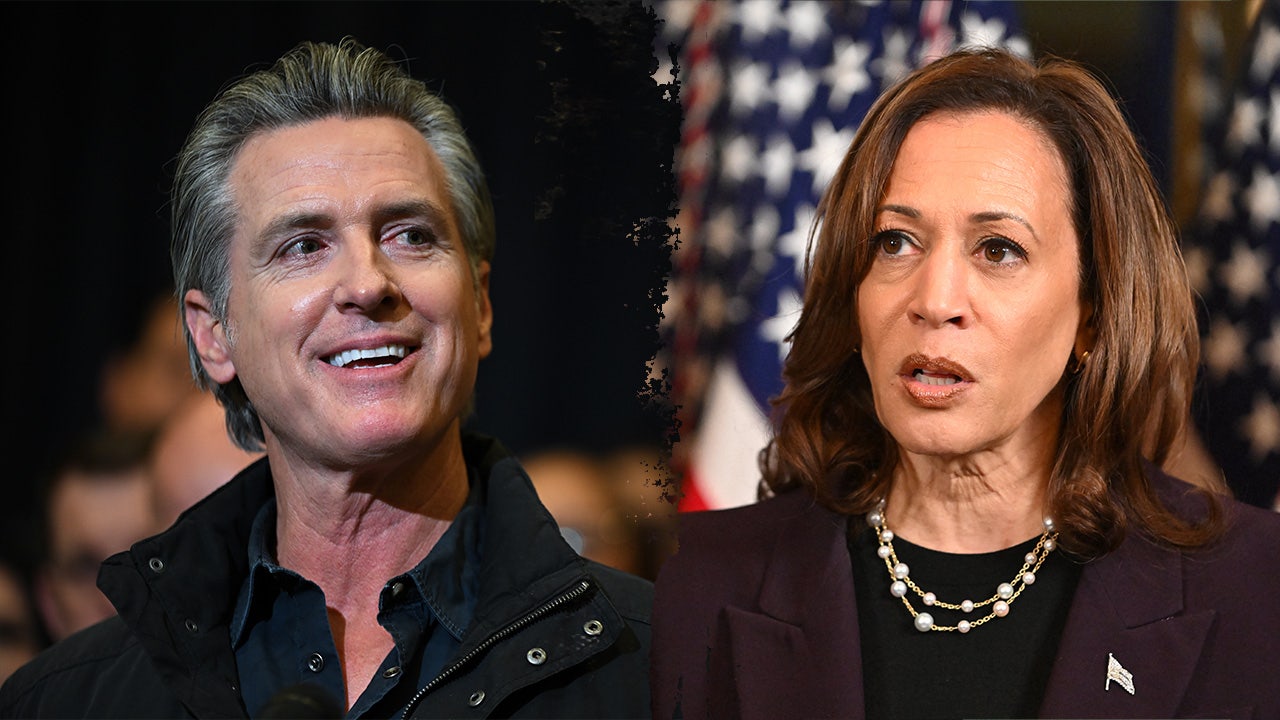
The country is watching weak poll numbers for President Trump, but the bigger question is what Democrats are actually becoming as a party. This piece argues that short-term gains tied to public frustration do not equal a durable political identity, and it lays out why that fragility matters for the road ahead.
Everyone sees President Donald Trump’s weak polling numbers, and opponents are happy to point at those figures as proof of momentum. Still, political momentum built on voters’ hurt is shallow by nature, and it evaporates once the underlying pain eases or another grievance takes center stage. Republicans should note that temporary swings are only dangerous when they obscure the deeper structural reality of an opponent’s identity crisis.
Right now Democrats are riding inflation fatigue and a general midterm drag against the party in power, which explains some of their gains. Yet winning because people are frustrated is not the same as winning because people believe in you. A party that attracts votes primarily out of resentment or economic pain lacks the roots that durable coalitions have.
FOX NEWS POLL: AS ECONOMIC PAIN DEEPENS, DISAPPROVAL OF TRUMP HITS NEW HIGH
Polls can mislead if they are read as a mandate rather than a snapshot of current sentiment. The New York Times/Siena numbers on the generic congressional ballot offer Democrats a visible advantage, but ballot preference driven by immediate grievances tends to shift faster than ideological loyalty. Voters who act out of short-term anger rarely form the stable base that candidate organizers crave.
TRUMP VS HISTORY: HOW PRESIDENT’S POLL NUMBERS COMPARE TO BIDEN, OBAMA, BUSH AHEAD OF MIDTERMS
At the heart of the question is identity: who are the Democrats becoming? Is the party genuinely courting working-class voters with economic populism, or is it leaning into elite cultural judgment that alienates those same voters? That split matters because it defines which voters stick and which drift away once headlines change.
FOX NEWS POLL: 30% THINK RECENT TRUMP ASSASSINATION ATTEMPT WAS STAGED
On top of policy debates, there’s a cultural tug-of-war inside the party between moderates and progressives. The contrast is stark: some want to govern from the center, others push perpetual activism and reinvention. Voters looking for stability find that level of internal conflict disorienting, and disoriented voters often default to candidates who promise clear, consistent goals.
DOUG SCHOEN: DEMOCRATIC BATTLE PITS MODERATES VS. PROGRESSIVES FOR SOUL OF THE PARTY
That ideological variety produces mixed messages in campaign messaging and policymaking. Is the party about institutional competence and steady governance, or is it about a constant redefinition of norms and a platform of cultural tests? When the faces and themes vary so widely, the emotional center voters seek becomes diffuse and hard to pin down.
DEMOCRATS BREAK WITH SCANDAL-PLAGUED GRAHAM PLATNER, WARN OF ‘CIVIL WAR’ IN PARTY
A coalition powered primarily by public pain is inherently fragile compared to one built on shared belief or identity. Pain can push people to the polls, but it does not persuade them to reorganize their loyalties for the long haul. Once the immediate grievance loses its intensity, the coalition tends to splinter unless there is an underlying ideological glue holding it together.
DEMOCRAT BLASTED BY LEFT AND RIGHT AFTER SOFTENING STANCE ON SCANDAL-HIT MAINE CANDIDATE
That risk is the real political blind spot Democrats might be underestimating: confusing short-term openings with long-term alignment. Republicans should exploit that gap by offering a clear, stable alternative that appeals to voters tired of flux. If Democrats do not settle on a coherent identity, their gains could look impressive on paper and fragile in practice.
