
Five Senate races are drawing the loudest attention because each one says something bigger than the candidate on the ballot. The fight is really about whether parties still know how to nominate people who can win beyond their own loudest activists. In a year packed with sharp elbows and hard-edged messaging, the Senate map is turning into a stress test for both sides.
Democrats are trying to push through a slate of candidates who lean far outside the political center, and that creates a problem the party keeps pretending does not exist. Abdul El-Sayed in Michigan, Peggy Flanagan in Minnesota, Troy Jackson in Maine, and James Talarico in Texas all come with baggage that makes the general election fight tougher than it needs to be. When a race starts with a candidate having to explain the basics of their own appeal, the other side usually starts smiling.
Republicans have their own history of wandering into trouble with nominees who pleased the base but scared off everyone else. Christine O’Donnell, Sharron Angle, Ken Buck, Todd Akin, and Richard Mourdock are reminders that energy is not the same thing as electability. That lesson still hangs over the GOP, even if this cycle looks better positioned for them than some of those old train wrecks.
Michigan is the race that feels the most combustible. El-Sayed has spent plenty of time trying to soften his image, but the harder he talks, the more he seems to remind voters why they were already uneasy. Mike Rogers, by contrast, has been selling steadiness, experience, and a resume that looks built for a general election fight rather than a protest movement.
Minnesota has its own odd contrast, with Flanagan carrying the kind of progressive reputation that may play well in activist circles but can look too far left for the broader state. Michele Tafoya enters as the kind of Republican candidate Democrats love to dismiss right up until her calm, centrist style starts landing with swing voters. That matchup matters because it shows how much the center still counts, even in places where the loudest voices insist it does not.
Texas is a different kind of headache for Democrats. Talarico has been pushed as a fresh face, but the campaign has been dogged by questions, disappearances, and a vibe that never quite settles into something voters can trust. Ken Paxton is hardly a polished poster child, but he is a known quantity, and in politics that can be enough when the other side looks shaky.
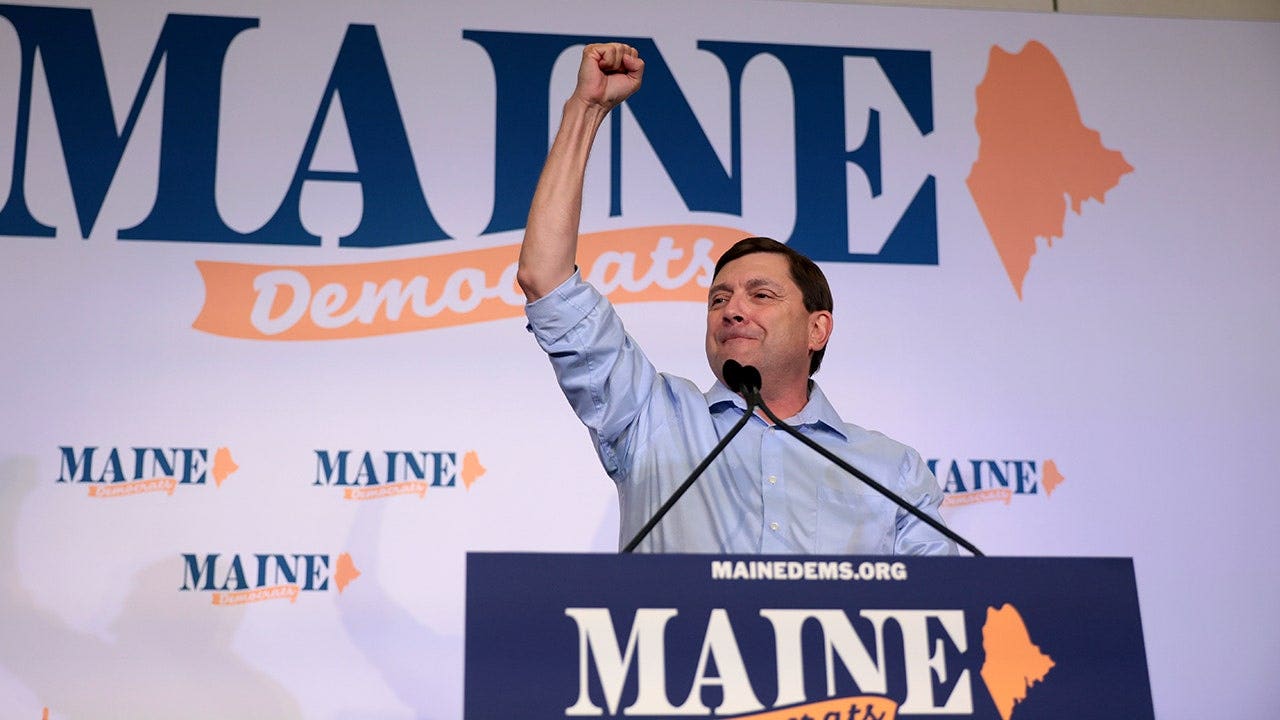
Maine may be the clearest example of a party making life harder on itself. Susan Collins remains a force, and opponents keep learning that she is far tougher to knock off than wishful thinking suggests. Troy Jackson has struggled to match her polish, her command of the issues, or her ability to look like the obvious adult in the room.
What makes all of this interesting is that Democrats have tried to patch the gaps with celebrity firepower and familiar national names. Bernie Sanders, Alexandria Ocasio-Cortez, Kamala Harris, and Barack Obama may excite the base, but that does not automatically solve the electability problem. In fact, when the selling point becomes a parade of national figures, it can start to look like the campaign is hiding the candidate.
The bigger issue is that American elections still reward candidates who can appeal to people outside the activist bubble. The old formula has not changed much: win the center, hold your base, and avoid saying things that make ordinary voters cringe. Parties ignore that at their own risk, and the penalty usually shows up fast once the debates start and the TV ads get mean.
That is why this cycle feels less like a normal midterm warm-up and more like a reminder that bad nominees do not magically become good ones because the party needs them to. Candidates who can sound disciplined, reasonable, and broadly acceptable still matter more than outrage, movement buzz, or internet applause. And as these races keep tightening, the gap between what activists want and what voters can stomach is getting hard to miss.
There is also a certain irony in watching each party pretend it has learned the lesson of 50% plus one while still flirting with the kind of candidate who makes that math harder. The center is not glamorous, but it wins a lot of elections for a reason. Right now, both parties are getting a fresh reminder that loud is not the same thing as viable, and the voters are the ones who get to call that bluff.
