
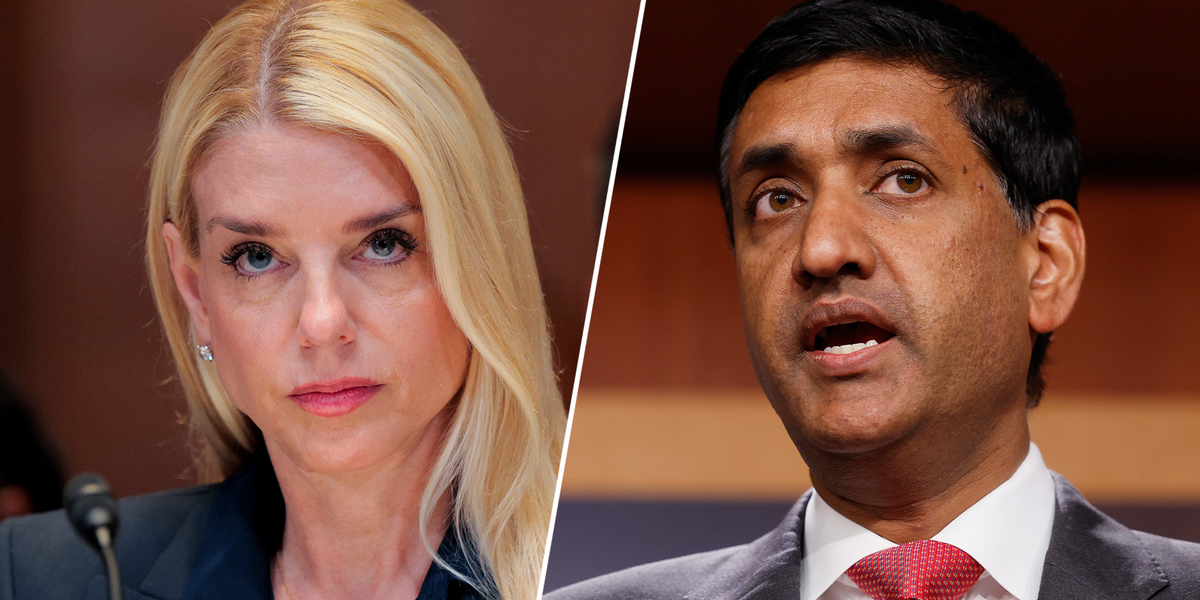
Democratic Rep. Ro Khanna of California is diving into the Epstein files saga, bringing the issue directly to Congress. He’s proposed an amendment to the GENIUS Act that would compel Attorney General Pam Bondi to make all Epstein-related records “publicly available” on a website within 30 days. This transparency push comes as President Donald Trump and his team stand firm with Bondi, who maintains that there was no client list.
Khanna took to social media, questioning the secrecy, “Why are the Epstein files still hidden?” He raised doubts about who might be shielded, asking, “Who are the rich & powerful being protected?” Khanna urged the Speaker to initiate a vote, emphasizing the need for every Congress member to be on record, saying, “Let the chips fall where they may.”
The proposal has sparked debate, with Bongino and Bondi clashing over the handling of Epstein files. Khanna acknowledged the criticisms, emphasizing the importance of delivering results to the American people. He reiterated the need for bipartisan action to restore trust.
Responding to critiques, Khanna noted, “The criticism I am receiving is Biden should have done this.” He argued that what’s essential now is the public good. Khanna expressed openness to future cooperation, saying if Republicans support progressive measures like Medicare for All, he would welcome the collaboration.
Khanna’s stance is clear: transparency is crucial, and he is determined to see the files released. The call for openness is seen as a move to build public trust and accountability. By making the records public, Khanna believes it will shed light on hidden truths.
The Epstein files have been a point of contention, and Khanna’s proposal highlights the ongoing demand for transparency. By pushing for public access to these records, Khanna aims to hold powerful figures accountable. The initiative has stirred both support and opposition within political circles.
Khanna’s efforts underscore a broader call for accountability in government dealings. The focus remains on unveiling the truths that have long been concealed. This move could potentially lead to significant revelations about those involved with Epstein.
The push for transparency is not without its challenges, as political dynamics play a significant role. Khanna’s proposal is a bold step in confronting these issues head-on. The emphasis remains on bipartisan cooperation to achieve this goal.
Khanna’s actions reflect a commitment to ensuring that justice is served. The drive to make the records public is a testament to his dedication to transparency. This initiative could pave the way for greater accountability in similar cases.
As the debate unfolds, Khanna’s determination to see this through remains steadfast. The call for transparency is a crucial step in addressing public concerns. Khanna’s proposal is a reminder of the importance of openness in government affairs.
This endeavor to unveil the Epstein files signifies a broader effort to promote government transparency. Khanna’s push for accountability echoes a sentiment shared by many Americans. The outcome of this proposal could have lasting implications for how similar issues are addressed in the future.
The political landscape is watching closely as Khanna pursues this initiative. His call for transparency is a move towards greater accountability and trust. The potential release of the Epstein files could have far-reaching effects.
Khanna’s proposal is a significant step in promoting openness and accountability. The demand for transparency reflects a growing public desire for truth and justice. As the situation develops, Khanna’s efforts continue to draw attention and support.
The Epstein files controversy highlights the need for greater transparency in government dealings. Khanna’s proposal aims to address these concerns head-on. The push for public access to these records is a crucial step in fostering trust and accountability.
As discussions continue, Khanna’s commitment to transparency remains unwavering. The proposal to release the Epstein files is a bold move towards greater accountability. The unfolding events could have a significant impact on public trust in government institutions.
Khanna’s actions demonstrate a commitment to confronting challenging issues with transparency. The call for openness in the Epstein files case is a step towards greater accountability. The potential release of these records could bring long-hidden truths to light.
The ongoing debate around the Epstein files underscores the importance of transparency. Khanna’s proposal seeks to address these concerns by making the records publicly accessible. The initiative is a testament to the growing demand for openness in government affairs.
