
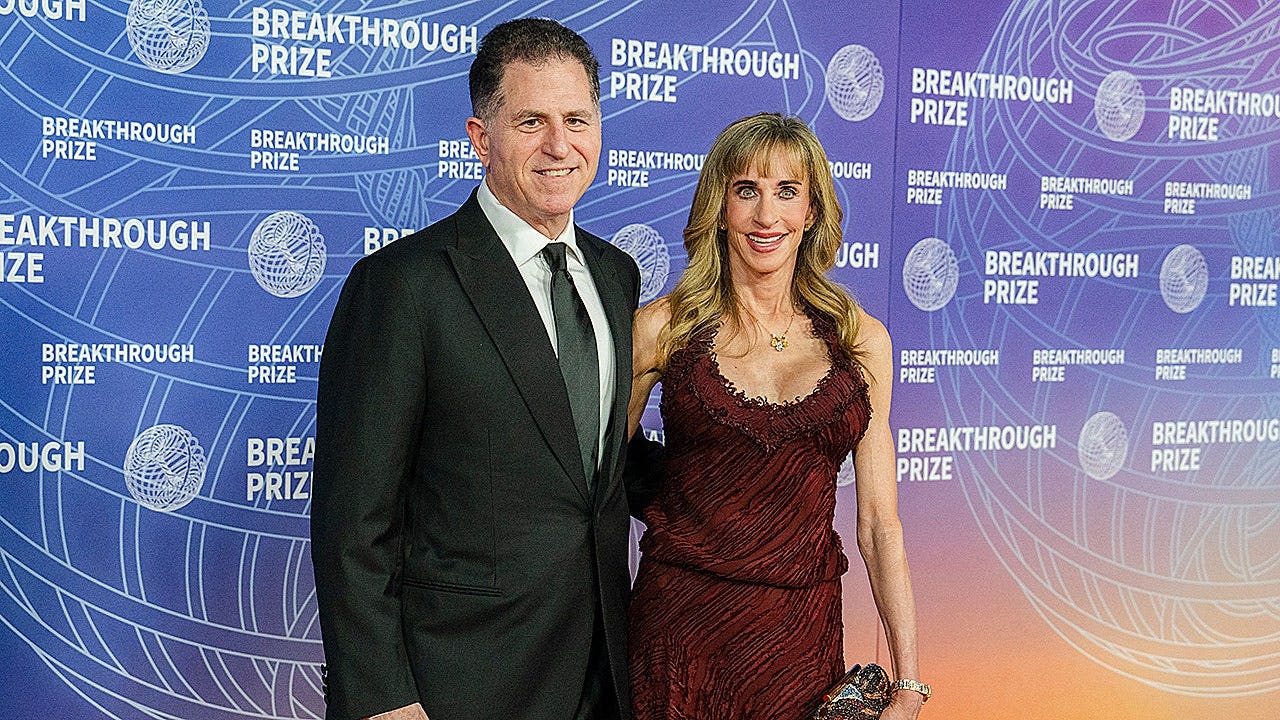
Michael and Susan Dell have announced a landmark donation to the University of Texas at Austin to build an AI-first medical complex and research campus, including a new hospital expected in 2030, large-scale computing resources and expanded student support; the plan pairs clinical care with advanced computing while officials and experts debate the promise and risks of AI in medicine.
Billionaire Michael Dell and his wife, Susan Dell are the lead donors in a historic commitment to UT Austin that pushes the university into a new era of medical research and care. Their cumulative support to the campus now tops the billion-dollar mark and anchors a broader development across more than 300 acres. The centerpiece is a purpose-built medical center designed from the start to use artificial intelligence across research and clinical workflows. Local leaders say the scale and timing will reshape Austin’s health care landscape as the region grows rapidly.
The gift includes a $750 million contribution specifically earmarked to help construct the UT Dell Medical Center, a hospital the university describes as “AI-native” and slated to open around 2030. The plan pairs inpatient and outpatient services with lab space and advanced computing, aiming to speed early detection and deliver more personalized treatment. Officials emphasize the designed integration of research, clinical practice and computation rather than trying to retrofit older buildings and systems. That intentional approach is sold as a way to boost efficiency and patient outcomes from day one.
The initiative will be developed in collaboration with the MD Anderson Cancer Center, folding cancer prevention, diagnosis and treatment into a unified system on the same campus. That collaboration is meant to bring research-driven oncology care into a broader network that connects screening, genetics, therapeutics and follow-up care. University leaders highlight scholarships, student housing and investments in campus infrastructure as parallel priorities tied to the same campaign. The project also supports expansion of high-performance computing on campus to power modeling, genomics and AI-driven analysis.
“By bringing together medicine, science and computing in one campus designed for the AI era, UT can create more opportunity, deliver better outcomes, and build a stronger future for communities across Texas and beyond,” Michael Dell and Susan Dell said.
Backers say the Texas Advanced Computing Center will host one of the nation’s most powerful academic supercomputers, enabling researchers to run complex models and analyze massive datasets. That capacity is central to the plan’s pitch: faster discovery, real-time clinical decision support and better population health management across a sprawling state. The campaign tied to the medical center aims to raise billions more, with the university publicly laying out a long-term fundraising target. Officials expect construction to begin later this year as fundraising continues.
Not everyone accepts AI as an unalloyed good in medicine, and independent researchers warn about blind spots and bias that can hurt patients if systems are not carefully validated. A widely cited academic study has shown how some health algorithms can undercount the needs of Black patients when training data reflects historical disparities. Those findings have pushed university planners and clinicians to say they will prioritize validation, transparency and testing across diverse patient groups. The conversation now balances technological possibility with clear demands for equity and oversight.
“We will deliver better outcomes for patients by providing research-driven cancer care that is precise, compassionate and hope-filled,” Peter WT Pisters, president of UT MD Anderson, said.
State leaders have welcomed the announcement as an economic and health care win, framing the investment as a way to cement Texas’s role in innovation and growth. Officials point to the job creation, research dollars and downstream health benefits that a modern medical campus could produce for the region. The university has already launched a multi-year, multi-billion dollar campaign tied to broader campus priorities and student support initiatives. If the project delivers on its promise, it could serve as a model for how academic medicine and advanced computing work together on a single purpose-built site.
