
Check out the main ideas below:
- Data centers as a source of local tax revenue
- Vacant land and neglected sites gaining new life
- Community opposition slowing major projects
- Budget pressure on schools, roads, and public safety
- Examples of counties benefiting from data center growth
- Calls for transparency, cooperation, and local safeguards
Data centers have become a flashpoint in a lot of towns, and the fight is no longer just about tech. It is about whether communities want empty land, lower tax bills, and better-funded public services, or whether they want to keep saying no while the bills keep climbing. That tension is showing up in places where old shopping centers, vacant lots, and struggling commercial sites sit unused while local governments hunt for new revenue.
A long-dormant property can look like a dead end, but for many counties it is actually a rare opening. A well-built data center can turn a neglected parcel into a secure, maintained, and heavily taxed asset that helps pay for schools, roads, and first responders. For communities under pressure, that is not a small thing, especially when property tax rates and budgets are already stretched thin.
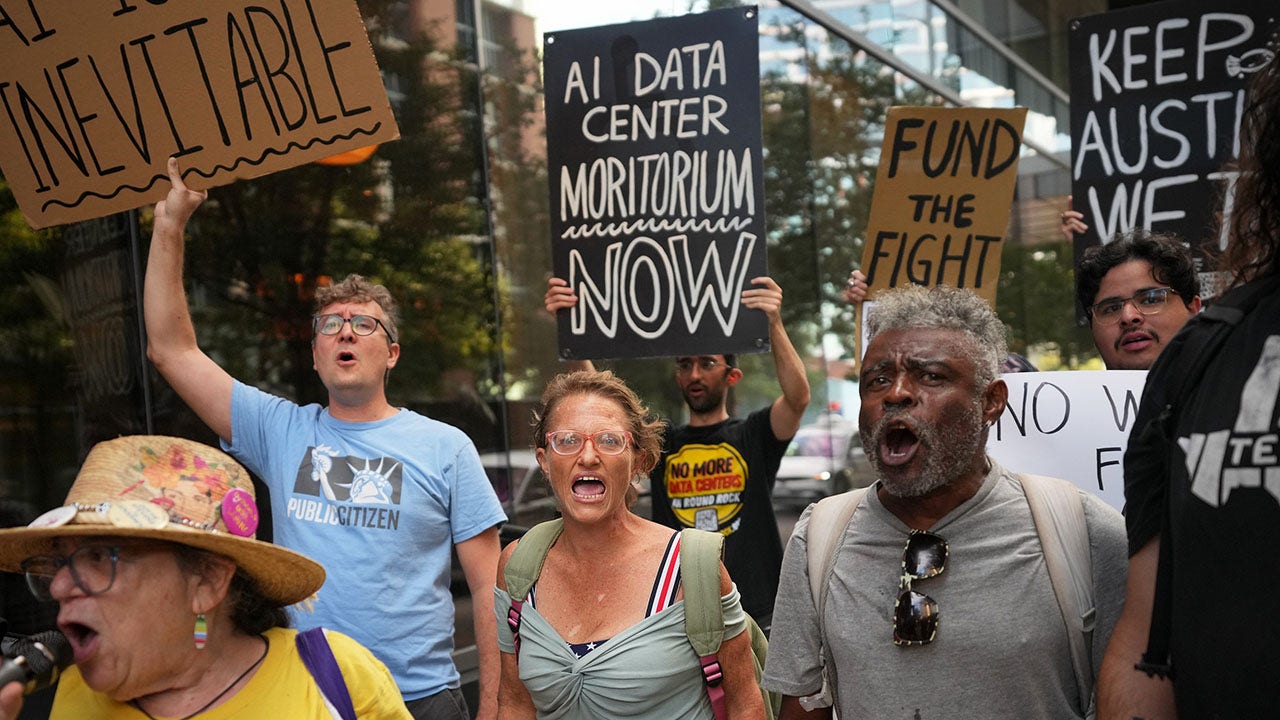
One of the sharpest examples came from a proposed project in Prince George’s County, Maryland, where a massive data center was set to replace the old Landover Mall site. The land had been sitting there for years, overgrown and underused, while the county faced a serious budget gap and watched other economic losses pile up. Developers said the project could have brought in tens of millions of dollars each year, but activists helped derail it before the first shovel hit the ground.
That clash says a lot about how these debates usually go. Opponents often frame data centers as unwanted intrusions, even when the sites are already blighted and the local economy needs a jolt. Supporters see something simpler: a chance to convert dead space into steady revenue, create a more secure property, and avoid leaving valuable land to rot while residents carry the burden.
Some critics act like tax revenue is a dirty word, but local governments live in the real world. Schools need funding, roads need repairs, police and fire departments need equipment, and none of that happens on good intentions. When a major project gets blocked, the lost money does not vanish into the air, it shows up somewhere else, usually on the backs of homeowners and small businesses.
That is why the difference between counties matters so much. Loudoun County, Virginia, has leaned into data centers and reaped major rewards, with that industry making up a large share of general fund revenue. The result has been lower property tax rates over time, which means real relief for residents instead of endless talk about affordability with nothing to show for it.
Henrico County has also seen what that kind of money can do. Data center tax revenue has helped support an Affordable Housing Trust Fund, giving first-time buyers a better shot at homeownership. In one case, a single mother pursuing a nursing degree said her mortgage was actually lower than the rent she had been paying, which is the kind of everyday win that gets lost when the debate stays stuck on slogans.
Then there is Richland Parish, Louisiana, where expansion tied to a major tech company helped fund teacher bonuses. That is the kind of local payoff people can understand immediately because it touches classrooms, families, and public morale all at once. It is hard to argue against a project when the benefits are showing up in paychecks and public services instead of just spreadsheets.
None of this means communities should roll over and accept every proposal without question. Residents have every right to ask about noise, water use, electricity demand, design, and whether the project fits the neighborhood. But there is a big difference between asking tough questions and treating every data center like a threat that must be stopped at all costs.
What keeps getting missed is that these projects can be negotiated into something better. Developers can be pushed to listen, to communicate clearly, and to respect local standards instead of acting like they own the block. When counties demand accountability and still keep the door open, vacant land can stop being a liability and start becoming one of the few engines strong enough to help a community breathe again.

1 Comment
Data Center OE Mosque.