
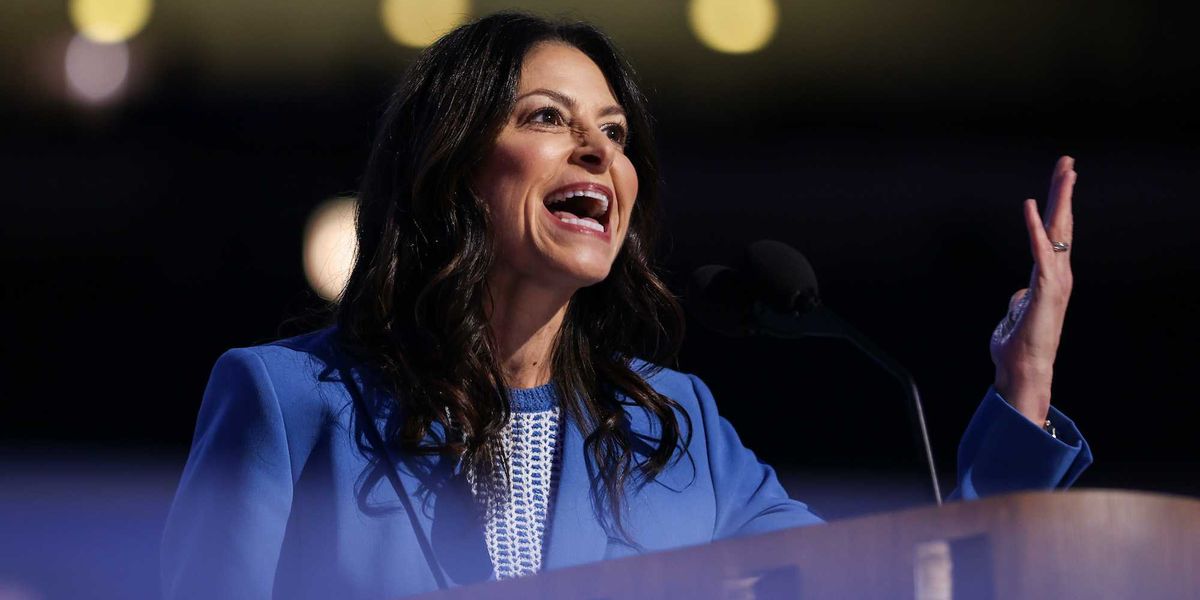
The backlash inside the Democratic Party is getting louder, and Michigan Attorney General Dana Nessel is now at the center of it. Safety concerns, accusations of rising extremism, and a tense political climate have pushed her to steer clear of a major party convention, adding another sharp edge to an already ugly fight.
– Party infighting and growing alarm over safety
– Dana Nessel’s decision to stay away from the convention
– Rising concerns about antisemitism and extremists
– The Democratic Party’s internal political fallout
– The broader mood of hostility around the event
What should have been a routine political gathering has turned into a symbol of how far things have slid. Nessel’s absence is not being treated like a small scheduling issue, but as a sign that the temperature inside the party has gotten too hot for comfort. That kind of move speaks volumes, especially when it comes from a top state official who would normally be expected to show up and stand in the crowd.
The situation ties directly into a larger concern that keeps surfacing around Democratic politics: the growing influence of the far left and the way it has changed the tone of public events. When officials start worrying about whether a convention is safe enough to attend, the problem is no longer just political disagreement. It becomes about whether the movement can keep order, keep control, and keep the loudest voices from pushing everyone else aside.
Nessel’s position has also fueled more attention to antisemitism within the party’s broader coalition. That issue has become impossible to ignore, especially when activists and radicals keep forcing ugly questions into the open. For Jewish Democrats who want nothing to do with extremism, the message can be pretty clear: the party they once knew is not the same place anymore.
The whole mess reflects a deeper identity problem for Democrats. A party that once tried to project discipline and unity now looks fractured, reactive, and constantly on edge. Instead of focusing on voters, policy, or stability, it keeps getting dragged into fights over who is allowed to speak, who is tolerated, and which factions are steering the show.
That shift has consequences beyond one convention. When a high-profile official decides it is smarter to stay away, it sends a signal to everyone else watching from the sidelines. It suggests the old guard no longer trusts the new crowd to keep things under control, and that alone says plenty about where the party is headed.
What makes the episode so striking is how normal this kind of tension has started to feel. Political events are supposed to be loud, sure, but not threatening. Once safety worries become part of the conversation, the public starts seeing the raw strain underneath the polished speeches and campaign branding.
For Republicans, the takeaway is obvious: Democrats are still struggling to deal with the consequences of letting the most radical voices set the tone. That choice has not brought unity or strength. It has brought fear, division, and a political culture where even a convention can feel like a place to avoid rather than a place to appear.
