
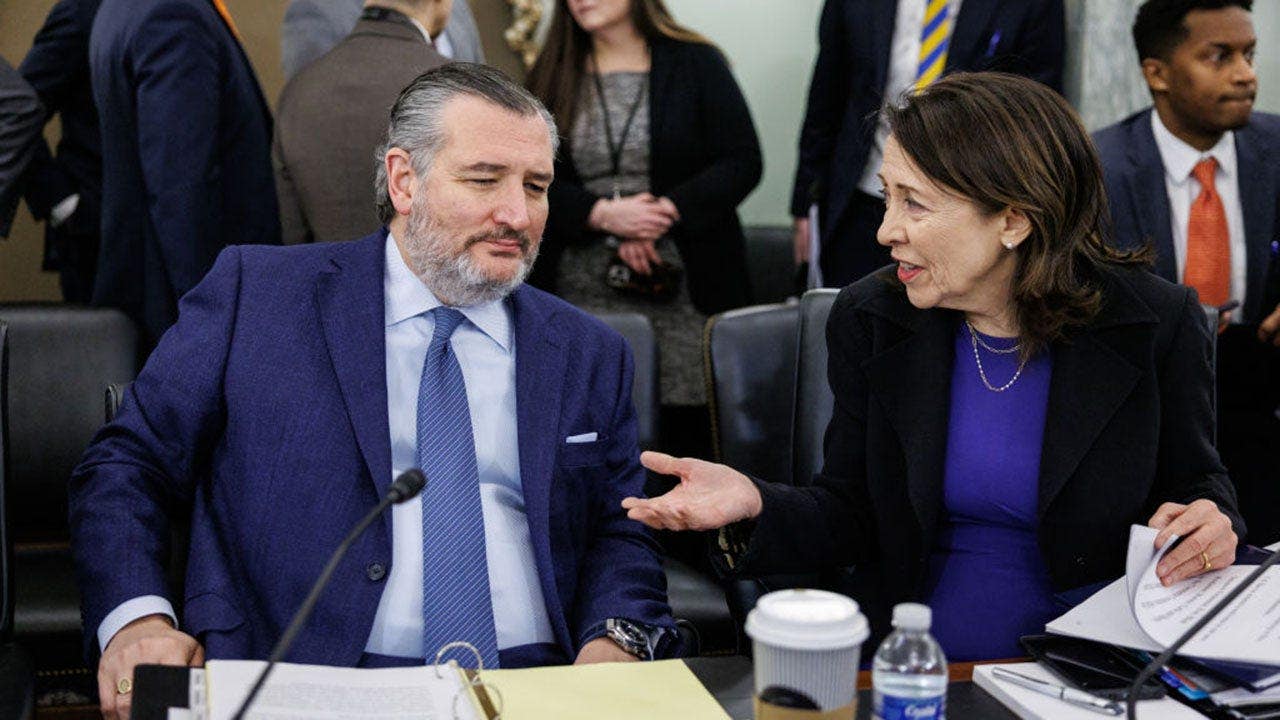
The retention pool has surged to $22.5 million, and the latest push from Senators Ted Cruz and Maria Cantwell is drawing attention fast. With backing from Big Ten and SEC voices ahead of the August recess, the fight over how college athletics handles money, loyalty, and long-term stability is getting louder by the day.
That kind of number does not appear out of nowhere. It reflects a broader scramble in college sports, where schools, conferences, and lawmakers are all trying to keep pace with a changing system that now feels more business than tradition. The momentum behind this effort shows how serious the pressure has become.
College sports have been moving at a breakneck pace for years, but the financial side has taken center stage in a way few expected. What used to be mostly about rivalries and regional pride now includes hard questions about compensation, retention, and whether programs can hold onto the athletes and structure that make them competitive. When the money gets bigger, the stakes get bigger too.
Support from the Big Ten and SEC carries real weight because those conferences sit at the heart of modern college athletics. They are not just spectators in the debate. They shape the conversation, influence the rules, and help set the tone for what schools can realistically do when the pressure to keep talent grows stronger every season.
For athletes, the retention question is not abstract. It affects where they train, who they trust, and whether they feel secure enough to stay put rather than chase the next offer or opportunity. Stability matters, especially in a system where constant movement can shake up rosters, disrupt chemistry, and leave programs scrambling to rebuild on the fly.
At the same time, universities are feeling the strain. They are expected to compete at a high level, protect their brands, and adapt to a marketplace that seems to reset every few months. That means every new financial move gets closely watched, because schools know one bad step can leave them behind while others race ahead.
The involvement of Cruz and Cantwell also gives the issue a serious policy edge. This is no longer just a sports debate tucked away inside conference offices. It is becoming a national conversation about what college athletics should look like, who benefits, and how the system can avoid turning into a free-for-all that rewards only the loudest or richest players.
That is why the $22.5 million figure is turning heads. It signals more than just a larger pool of cash. It shows that major powers in the sport believe retention is now a priority worth organizing around, and that message is likely to echo through athletic departments, booster circles, and administrative offices for a while.
There is also a practical side to all this. Schools want predictability, coaches want consistency, and athletes want a fair shot at building something without feeling like they are constantly being pulled in different directions. The more that money enters the picture, the more everyone involved has to think carefully about what keeps a program strong over the long haul.
What happens next will depend on whether this support turns into something lasting or just a short burst of attention before the next big issue takes over. For now, though, the signal is clear enough. The conversation around college sports has moved well past the old playbook, and the race to keep programs stable is only getting more intense.
