
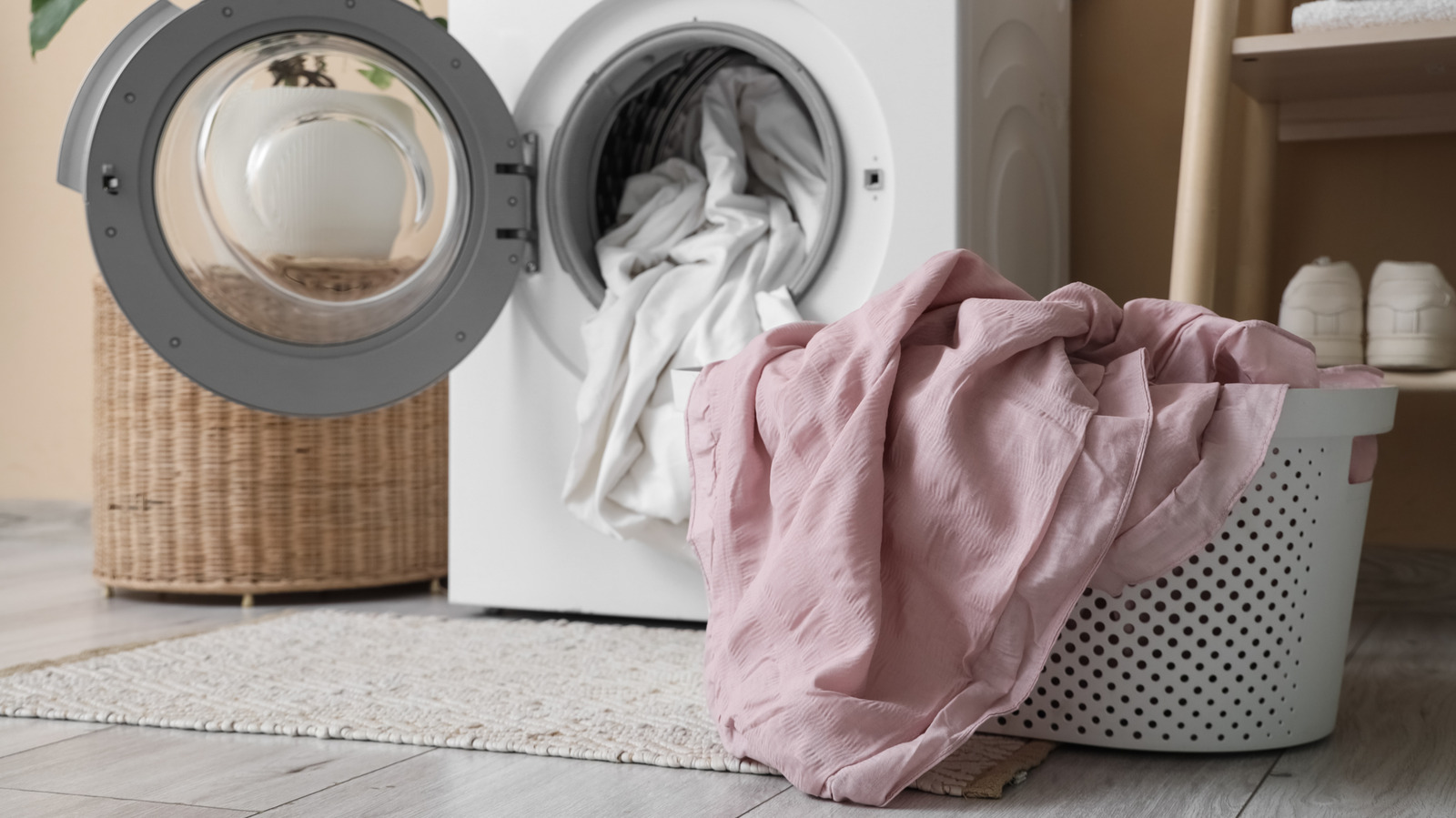
Consumer Reports has published fresh front-load washer rankings, and the results should make anyone comparing Samsung and other big names take a closer look. The testing highlights which models deliver real cleaning power, efficiency, and long-term value rather than just flashy features. If you’re hunting for a washer that actually fits your life, these rankings are a practical place to start.
Testing covers more than just how clothes come out of the drum; it measures cleaning performance on varied soils, energy and water use, cycle length, noise, and how machines hold up under repeated use. Lab conditions try to mimic real households, with mixed loads and typical stains, so scores reflect everyday performance. That broader approach reveals strengths and weaknesses you won’t spot from a spec sheet alone.
One of the more interesting takeaways is that top-ranked washers aren’t always the most hyped or heavily advertised models. Some brands that fly under the mainstream radar perform exceptionally well on core criteria like stain removal and reliability. This shakes up the usual comparison list shoppers run through when they default to certain household names.
Cleaning power remains the nonnegotiable metric for many buyers, and it’s where differences show up fastest. Machines that combine effective water management with mechanically solid spin action tend to beat rivals that rely mainly on long cycle times or aggressive agitation. Consumers who prioritize spotless results should weigh lab-based cleaning scores higher than a glossy touchscreen or smart app.
Energy and water efficiency matter both for monthly bills and environmental impact, and they figure prominently in the rankings. High-performing models often balance shorter, hotter cycles with optimized rinse patterns to reduce repeat washes. But efficiency numbers don’t tell the entire story; a machine that saves water but fails to remove stains can still cause extra loads and negate any savings.
Features can influence scores, but more options don’t automatically equal better value. Steam functions, auto-dosing detergent systems, and advanced vibration control can improve convenience and performance, yet they also introduce complexity and repair risk. Buyers should ask whether a feature matches daily habits before paying a premium for it.
Reliability and serviceability are behind-the-scenes factors that heavily affect long-term satisfaction. Machines with fewer electronic controls and simpler mechanical designs often have lower repair rates and cheaper fixes when something does go wrong. Warranty terms and the availability of local service techs are practical considerations that should shape purchasing choices.
Price is a blunt tool for judging a washer’s worth; a higher sticker doesn’t guarantee top rankings, and midrange models sometimes deliver the best balance of performance and cost. Look for models that scored well across core categories rather than chasing the most expensive option. Also consider total cost of ownership, which includes energy, water, detergent use, and likely repairs over the machine’s life.
When you’re ready to shop, match the machine to what you actually wash most: big loads, delicate fabrics, or heavily soiled workwear call for different priorities. Check user reviews for real-world quirks and see if the model’s cycle options align with your routine. Choosing based on verified testing and practical needs will get you closer to a washer you’ll keep using without regret.
