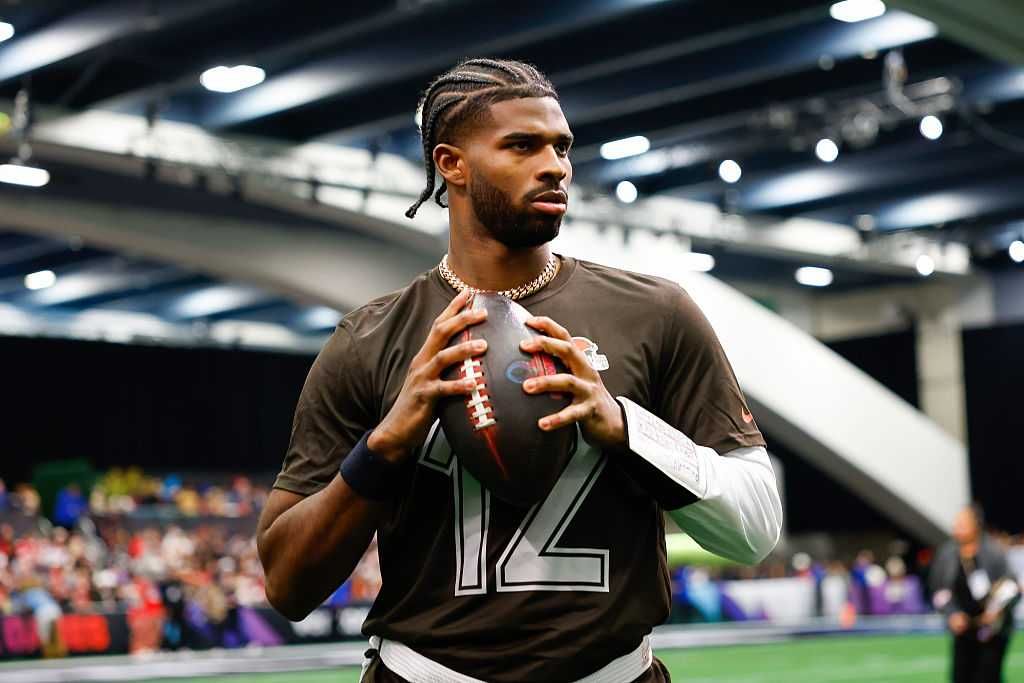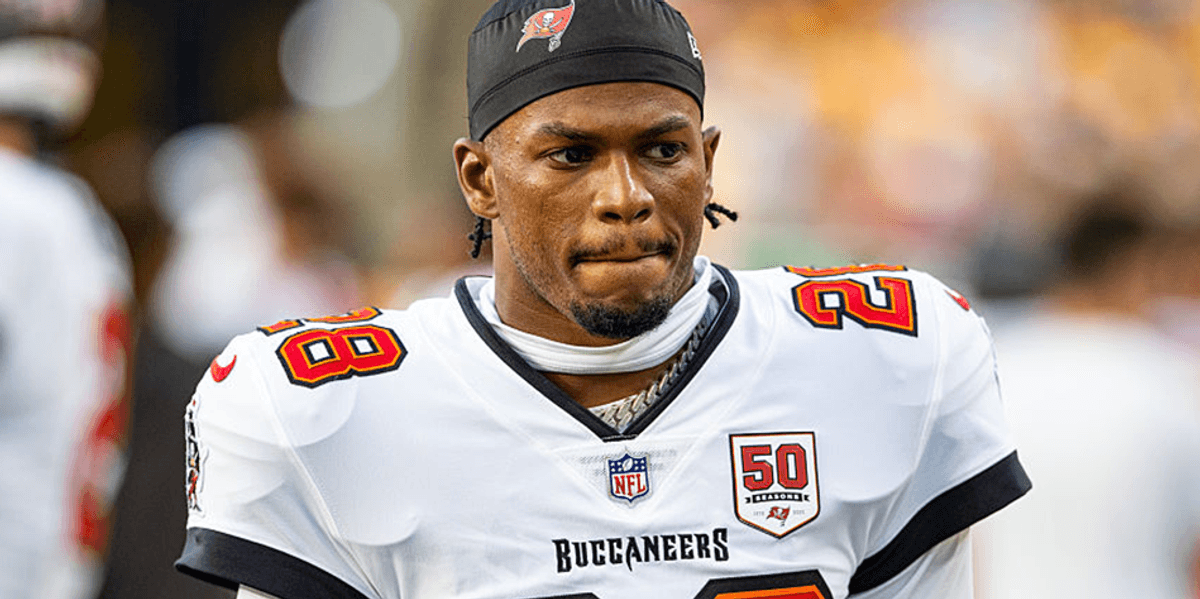
The Cleveland Browns’ quarterback controversy has spilled into a wider media storm, touching on accusations of sexist commentary, disputed reporting, and sharp reactions from fans and players. A beat writer’s claim that Deshaun Watson has taken the lead over Shedeur Sanders ignited the debate, prompting pushback from Browns supporters, family members, and analysts. This piece walks through the claim, the reactions, the defenses offered, and the lingering context around both quarterbacks without taking sides.
Fans and observers have been quick to react after a report suggested the veteran Deshaun Watson had moved ahead of Shedeur Sanders in the battle for Cleveland’s starting job. The team’s recent playoff drought — only three times in the last 30 years — has made every decision feel weighty for a passionate fan base. That background explains why reporting on the QB competition landed with such force.
The original beat report, which suggested Watson “has taken the lead over Sanders” in the race for the starting role, immediately drew skepticism given Sanders finished the 2025 season on the field. Cabot on Wednesday that Watson, who hasn’t played in almost two years due to injury, “has taken the lead over Sanders” in the race for the starting role, despite Sanders playing the last eight games of the 2025 season. The timing and framing of that claim became the flashpoint.
Outrage bubbled up across social channels and comment sections, and it even reached the Sanders family. After a video where the beat writer urged naming Watson the starter, Shedeur’s older brother reacted sharply, posting “Go make a sandwich Mary.” The post was later deleted, but it crystallized how heated and personal the debate had become.
Media outlets labeled the exchange sexist and misogynistic, which only widened the argument beyond football. TMZ called the commentary “sexist” and “misogynistic,” and the writer at the center of the story pushed back, portraying her work as a signpost for women in sports reporting.
“I really do believe that I have been an inspiration for lots of women and young girls,” Cabot Cleveland radio station 92.3 The Fan. “To know that you can go out there and do a good job in a man’s world and take on all of that that comes with that, and I know that there are so many women who have joined the football world especially because of some of the things that I’ve been able to do over the years, I’m happy about that,” she added. Those comments underscore the personal stakes for reporters who cover a male-dominated sport.
The reporting’s credibility was questioned by fans and several analysts, largely because the team’s front office had signaled a different view about Sanders’ standing. Browns General Manager Andrew Berry media members that he expects Sanders to “have more command of the offense.” That public remark made the beat report feel at odds with internal signals, which fueled accusations of sloppy or sensationalized coverage.
Outside analysts pointed to Watson’s recent injury history as another reason the claim strained credulity. Medical setbacks and a long recovery from Achilles trouble make declaring a veteran healthy and ready a risky proposition, and pundits called attention to the gap in real-game reps. Those practical concerns kept the debate focused on on-field readiness as much as off-field rhetoric.
The backstory on both players adds layers to the clash. Sanders dropped in the draft amid questions about his interview demeanour, while Watson entered Cleveland carrying the weight of an 11-game suspension and a multi-million dollar fine tied to off-field allegations. Both histories feed fan narratives about who is trustworthy, who is entitled, and who represents the franchise’s future.
Amid the noise, supporters for each quarterback rallied to defend their choice, while others demanded clearer, more transparent communication from both beat writers and team officials. The episode left many fans calling for fewer hot takes and more evidence-based reporting, and it exposed how quickly sports coverage can mutate into culture war fodder when personal stakes, gender sensitivity, and franchise hopes collide.