
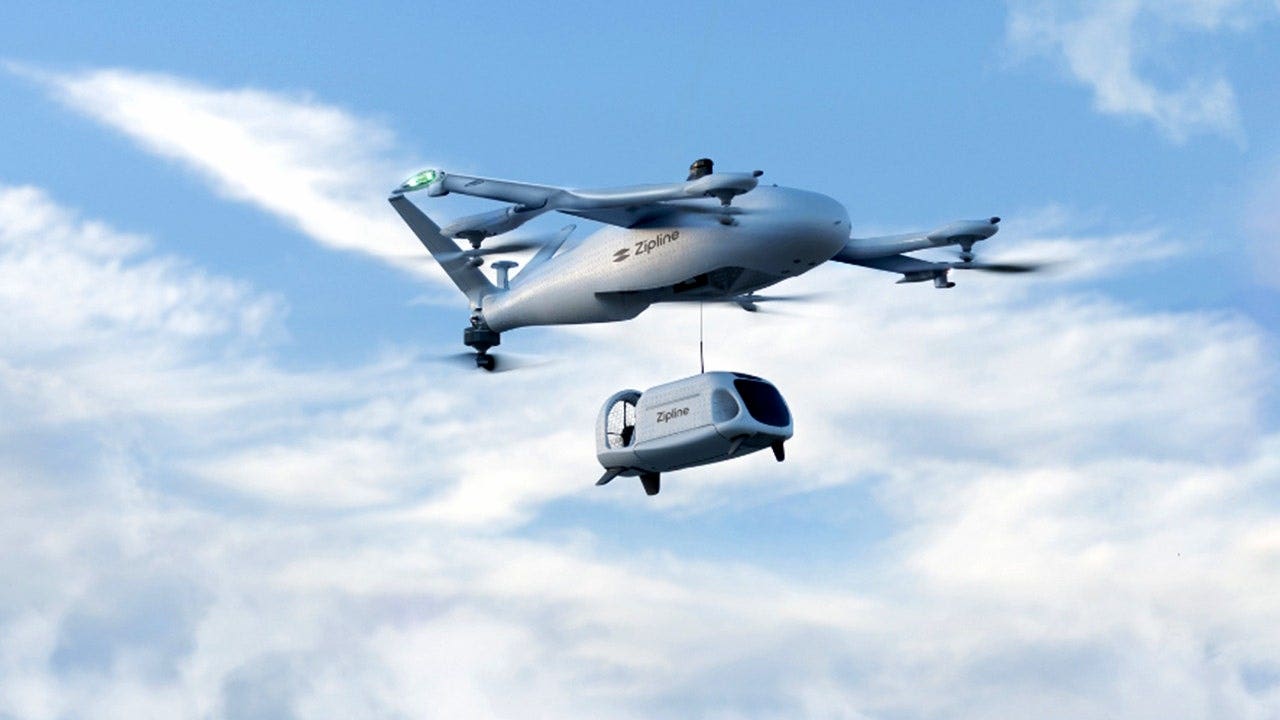
Cleveland Clinic is rolling out prescription delivery by drone, and the idea is as practical as it is futuristic. Some eligible patients near Beachwood, Ohio, can now have medications brought to them by Zipline instead of making a pharmacy trip, with the service designed to fit into everyday care rather than feel like a one-off gimmick.
What makes the launch stand out is the mix of convenience, precision, and medical usefulness. The program starts small, but it points toward a bigger shift in how health systems move time-sensitive items like prescriptions, lab samples, and other essentials.
Cleveland Clinic says this is the first long-term prescription drone delivery deployment run by a U.S. health system. The early focus is on patients already using pharmacy home delivery, and the first flights have already happened in and around Beachwood. Instead of asking patients to go out and pick up medications, the system brings the delivery closer to home in a way that can feel surprisingly normal once it is in motion.
The current service area is limited to eligible addresses within five miles of the Cleveland Clinic Beachwood Administrative Campus. Patients do not have to use the drone option, and there is no extra fee for choosing it. For now, the program is limited to shelf-stable prescriptions, while controlled substances are not included.
The process is straightforward on the patient side, even if the technology under the hood is not. A pharmacy technician places the prescription into a secure Zipline drop box, then an autonomous drone picks it up and flies to the destination. When it arrives, the aircraft remains overhead while a tethered pod lowers the package to the ground.
That setup matters because the drone does not need to land in a yard or driveway. Zipline says the delivery can happen within minutes, with average flight times coming in under five minutes. Patients can also choose where the package lands on their property, usually in the front yard or backyard, and can set a delivery time when they expect to be home.
Privacy is part of the pitch too. Zipline says it does not know what is inside a given order, and its employees are not watching a live video feed from the drone. Instead, trained specialists monitor flights through operational dashboards, while the aircraft and pod rely on onboard sensors to handle navigation and obstacle avoidance.
Patients receive delivery updates through the MyChart messaging portal, which keeps the information inside the health system’s normal workflow. That is useful, but it also means people should be cautious about random texts or emails pretending to be tracking notices. Opening the official portal directly is the safer move when medical information is involved.
The weather angle is another big reason this kind of delivery gets attention. Zipline says its drones can operate in conditions like rain, wind, storms, and cold that may slow down road traffic, though flights can still be grounded if conditions get bad enough. If that happens, Cleveland Clinic can fall back on ground delivery, so the service does not leave patients hanging.
Health care is where this technology gets serious fast. A package of medicine is not the same as a dinner order or a retail box, because timing can affect treatment and stress levels at the same time. For patients who are sick, mobility-limited, or just worn out, skipping a trip to the pharmacy can feel like a real win, not a novelty.
Zipline is not new to this game either. The company has been delivering blood and other medical products since 2016 and says it now serves thousands of hospitals and health facilities around the world. It has also built a broader delivery network that reaches beyond health care, including retail and restaurant orders in some U.S. markets.
The Cleveland Clinic launch also hints at where the service could go next. The plan is to expand beyond prescriptions to include additional medications, lab samples, medically tailored meals, and other supplies that fit the system’s logistics. That broader use would turn the drone from a flashy delivery tool into a regular part of care, which is exactly where the real value starts to show.
