
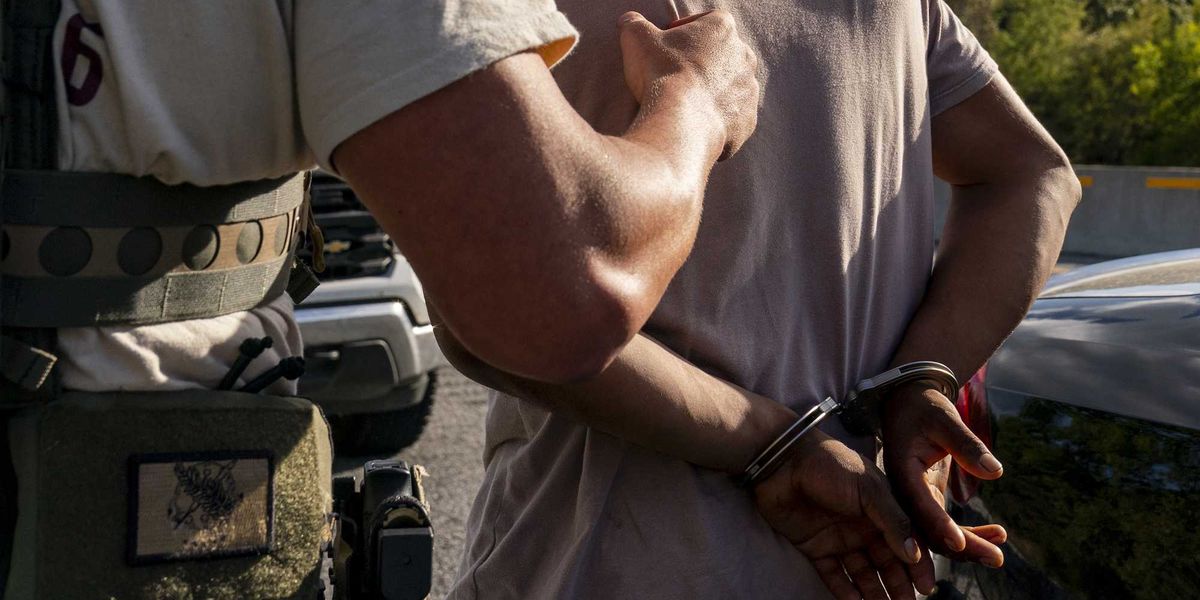
Chicago authorities uncovered a scheme that turned fake crime scenes into a visa machine, with hundreds of staged robberies allegedly arranged so supposed victims could use the incidents to support U-visa applications. The case has rattled a city already worn down by real crime, and the judge’s punishment sent a clear signal that this kind of fraud is not getting brushed aside.
The accusation is simple but ugly. A man in Chicago allegedly orchestrated a large number of sham robberies so people could claim they were victims of serious crimes, a key part of the process for certain immigration claims tied to law enforcement cooperation.
That matters because the U-visa was meant to help genuine victims who assist police after violent crimes, not people looking to game the system. When fake robberies are built into the process, it doesn’t just break the law, it stains every honest claim that follows.
Chicago is no stranger to public safety headaches, and this case landed right in the middle of that tension. Residents have watched for years as officials talk tough about crime while the streets keep producing new stories of violence, fear, and frustration.
What makes this case especially corrosive is the alleged scale. A handful of bogus reports would be bad enough, but hundreds of them suggest something organized, deliberate, and aimed at exploiting a system that depends on trust.
That trust is fragile. If police reports can be manufactured, then the whole process starts to look like a loophole instead of a safeguard, and that’s the kind of mess that invites more abuse.
The judge’s sentence brought the issue into sharper focus. A meaningful punishment tells people that immigration fraud wrapped inside fake crime reports is not a harmless paperwork trick, but a serious offense with real consequences.
Cases like this also fuel a broader debate about accountability. Many Americans have no patience for a system that rewards deception, especially when ordinary citizens are expected to play by the rules while others try to bend them for an advantage.
For law enforcement, the challenge is bigger than one defendant. Once a fraud network gets exposed, investigators have to sort out how many reports were false, who benefited, and whether other people were involved in padding claims with staged incidents.
That work is slow, but it matters. A city cannot protect victims, prosecute real offenders, or preserve confidence in its institutions if fake reports are allowed to slide by unnoticed.
The political angle is impossible to ignore. People already skeptical of immigration abuse see this as proof that loopholes can be exploited in ways that undercut both public safety and the rule of law.
At the same time, honest immigrants and real victims are the ones who end up paying the price when fraud takes root. Every fake case makes it harder for legitimate applicants to be believed, and every staged robbery throws another cloud over a system that is supposed to separate need from manipulation.
Chicago’s latest scandal is a reminder that crime does not always look like a street mugging or a smash-and-grab. Sometimes it shows up dressed as paperwork, backed by fake victim stories, and aimed straight at the soft spots in a broken process.
And once that kind of scheme gets exposed, the public is left asking the same blunt question: how many more fake cases have been slipping through while everyone else is told to trust the system?

2 Comments
Crimes for Visas to acess US????
That’s the kind of people that the Democrats let into the country