
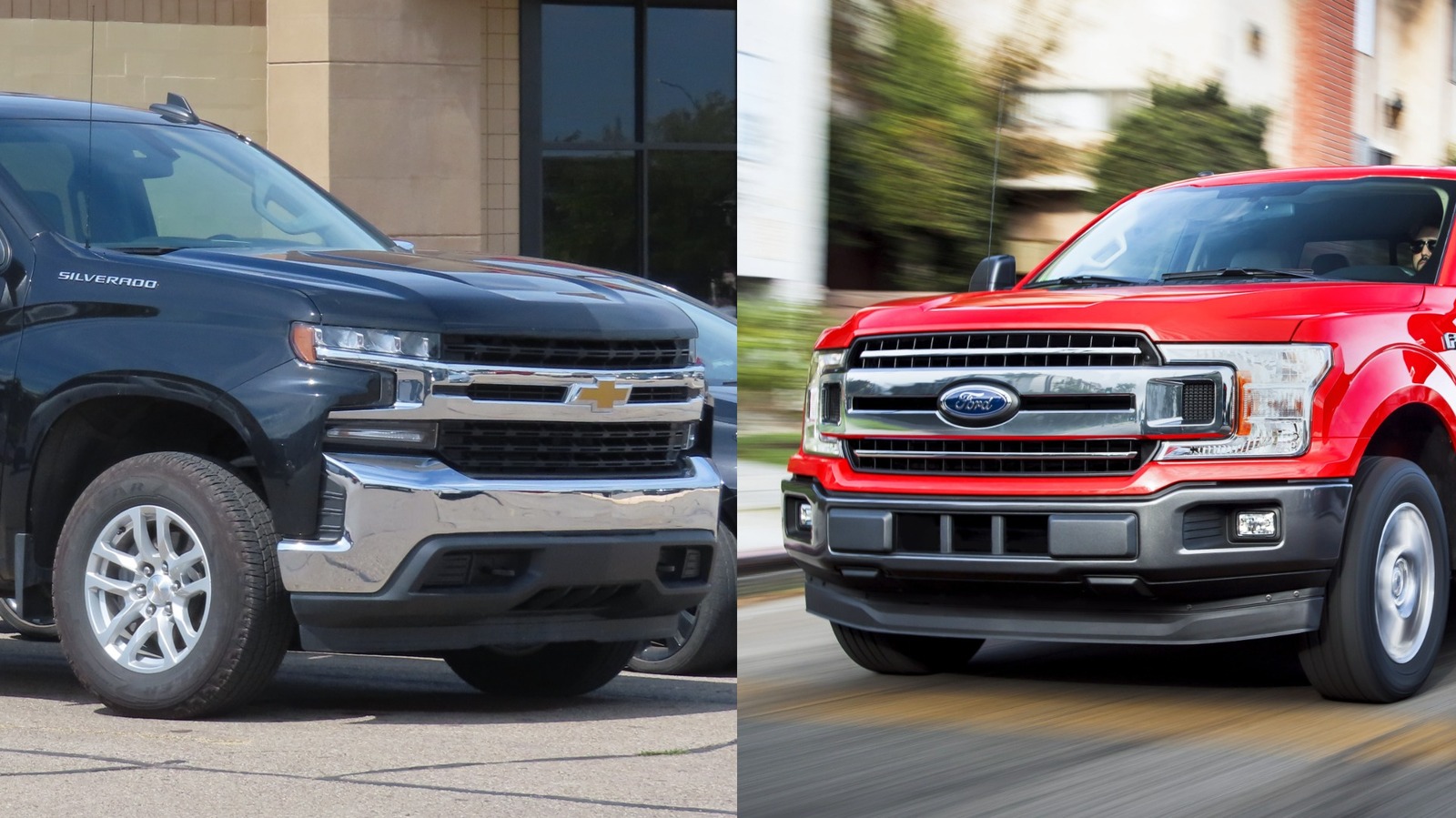
Quick look: this piece breaks down how the two six-cylinder diesel options differ, why their engine layouts matter, how they feel on the road, what they demand in upkeep, and which buyer each one tends to suit best.
Both trucks once offered six-cylinder diesels, but those engines were built on different philosophies. One favors a longer, straight-six layout that leans toward smoothness and fuel thrift, while the other sticks with a V6 shape that prioritizes compact packaging and towing punch. That basic distinction colors how each powertrain behaves in real-world driving and work scenarios.
The inline-six architecture has natural balance, which typically translates into quieter operation and fewer vibrations at cruising speeds. That makes highway miles more pleasant and can help reduce fatigue over long hauls. The compact V6, by contrast, can be packaged more tightly in the engine bay, which sometimes helps with crash structure and accessory routing but may introduce a bit more mechanical noise under load.
Where those layouts really show up is in torque delivery and drivability. Inline-six diesels are often tuned to deliver a broad, easy-to-use torque curve that keeps the truck moving without frequent downshifts. V6 diesels can be tuned for stronger peak torque at lower revs, which feels decisive when hooking up a trailer or getting a heavy load going from a stop. Both approaches work, but they reward different driving habits.
Fuel economy is a headline item for many buyers, and diesel sixes tend to outshine gasoline alternatives. The inline-six design often tips the scales slightly in favor of efficiency because of reduced internal friction and more uniform combustion dynamics. In everyday use the difference may be modest, though, and real-world economy depends heavily on load, driving style, and how often the truck is used for highway miles versus city work.
Towing capability is another common deciding factor. Both types of engines are capable haulers, but tuning and vehicle configuration play big roles in published tow ratings and how the truck performs on steep grades. V6 layouts can provide robust initial pulling power that feels strong at the hitch, while an inline-six can offer steady, repeatable performance when you’re running long distances with a load.
Maintenance and long-term ownership are practical concerns that deserve attention. Diesel service routines include things like DEF, filters, and emission systems that can add complexity and cost compared with gasoline engines. Inline-six diesels sometimes benefit from slightly simpler balancing and fewer accessories, while V6 diesels can be easier to access in cramped engine bays, making some routine jobs faster at the shop.
Availability, dealer familiarity, and aftermarket support also matter when you’re buying used or keeping a truck for years. A powertrain that’s been widely adopted across model years will usually attract more independent specialists and a broader parts market. If one diesel option was offered more commonly, that tends to lower long-term hassle for owners who value quick service and established modification paths.
Performance mods and towing upgrades take different tacks depending on the engine layout. Tuners will exploit strong low-end torque curves on a V6 to extract quicker hitching and passing power, while inline-six setups are often coaxed toward better cruising economy and improved throttle smoothing. Either way, responsible upgrades and proper cooling are critical if you plan to push a diesel beyond stock limits.
Choosing between the two powertrains comes down to what you ask of your truck day after day. If you want silky highway manners and a relaxed torque band, the straight-six approach has clear attractions. If you need compact packaging, assertive low-end pulling, and a truck that feels ready for heavy duty from a stop, the V6 route makes sense. Match the engine to your mission and the rest will follow.
