
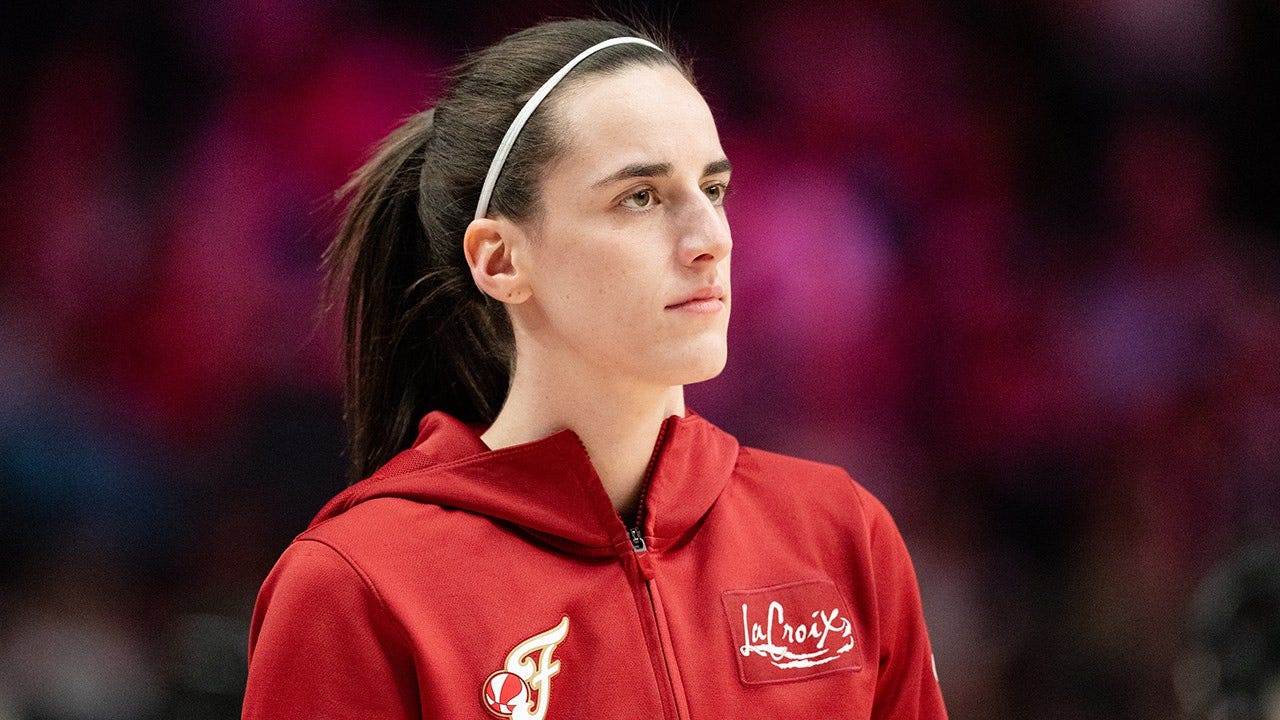
Caitlin Clark has pushed the WNBA into a strange new place where huge audiences are the norm and TV networks are now arguing over who gets credit for them. CBS and NBC both rolled out their own versions of the season’s biggest ratings brag, and the real story is how Clark and the Indiana Fever keep making those claims possible in the first place.
On Tuesday, CBS said the July 18 Fever-Liberty game averaged 2.579 million viewers and climbed past 3 million at its peak. The network called it the most-watched WNBA game on any network this season and the second-most-watched WNBA game on any network since 2000.
But NBC had already made a very similar claim six days earlier after the Fever played the Las Vegas Aces on July 12. NBC said that game averaged a Total Audience Delivery of 2.64 million viewers across NBC and Peacock, and it also described the matchup as the most-watched WNBA game of 2026 and the second-most-watched regular-season game since 2000.
So who actually won the ratings battle? The answer depends on how you count it. CBS used Nielsen Big Data + Panel measurement, while NBC folded in broadcast and streaming numbers through a Total Audience Delivery figure that included digital viewing measured by Adobe Analytics.
That means CBS is talking about a single television network audience, while NBC is talking about a combined audience across TV and streaming. NBC’s total was only 61,000 viewers higher, which sounds tiny, but it matters because the numbers are not built the same way.
In plain English, both networks have a case. Neither one is making up the numbers, but each is choosing the version that gives it the cleaner headline. That is exactly how TV marketing works, especially when a star like Clark can turn a regular-season game into a national event.
The bigger point is that Clark and the Fever have now produced two WNBA audiences above 2.5 million in less than a week, and they did it on different networks, against different opponents, and on different nights. That kind of consistency is why the conversation has shifted from “Is this a big game?” to “How big was it, really?”
The July 12 game against the Aces aired on a Sunday night, tipped at 9 p.m. ET, and still averaged 2.64 million viewers even though it ran late. Indiana rolled to a 109-75 win, and NBC’s peak audience reached 2.8 million, which is wild for a regular-season basketball game in midsummer.
Then the Fever-Liberty rematch came along on a Saturday night and did nearly the same thing, averaging 2.579 million and topping 3 million at its peak. That game also gave CBS the two largest reported Nielsen-measured single-network WNBA audiences of the season, which is the kind of stat that networks love to push out fast.
Clark’s draw is no longer tied to one opponent either. Sure, the Fever’s games against Angel Reese-led teams have been monster ratings magnets, but now even the New York Liberty can’t escape the Clark effect. Fans are showing up because they want to watch Indiana, and that has changed the shape of the league’s national audience.
The only regular-season WNBA game since 2000 that has done better was the Fever’s 2025 opener against Reese and the Chicago Sky, which averaged 2.7 million viewers on ABC and peaked at 3.1 million. That game still sits at the top of the modern ratings mountain, but the latest Fever numbers are right there behind it, which says everything about Clark’s reach.
The broader leaderboard is even more lopsided. Based on published national TV audiences, Indiana has appeared in 28 of the highest-rated WNBA regular-season games over the past 20 years. The first game on that list that does not involve the Fever is a May 2024 matchup between the Sparks and Aces, and even that one barely sits ahead of a later Fever-Mercury game.
That is the part that should make the league pay attention. No WNBA game from 2009 through 2023 drew even 1 million viewers, and now the Fever are stacking up audiences that leave the old standards behind without breaking a sweat. Clark has turned the ratings conversation into a weekly heavyweight fight, and every network wants to stand in the center of the ring when the bell rings.
