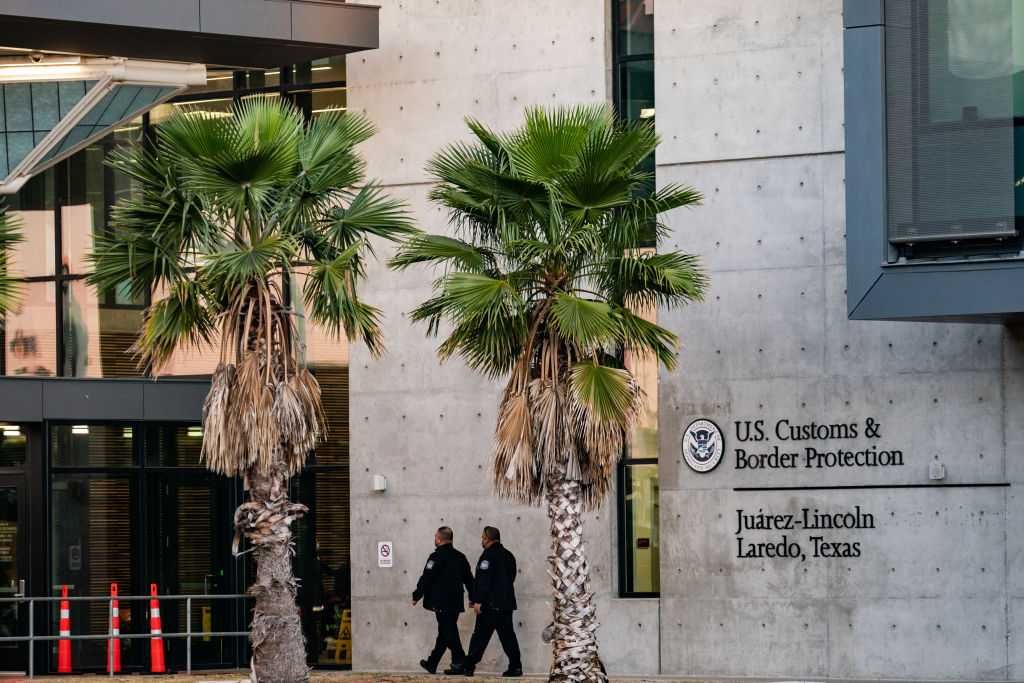
A 75-year-old American was stopped by Customs and Border Protection at the Juarez-Lincoln Bridge in Laredo after officers found multiple packages of suspected narcotics in his vehicle, leading to an arrest and an ongoing investigation by Homeland Security Investigations.
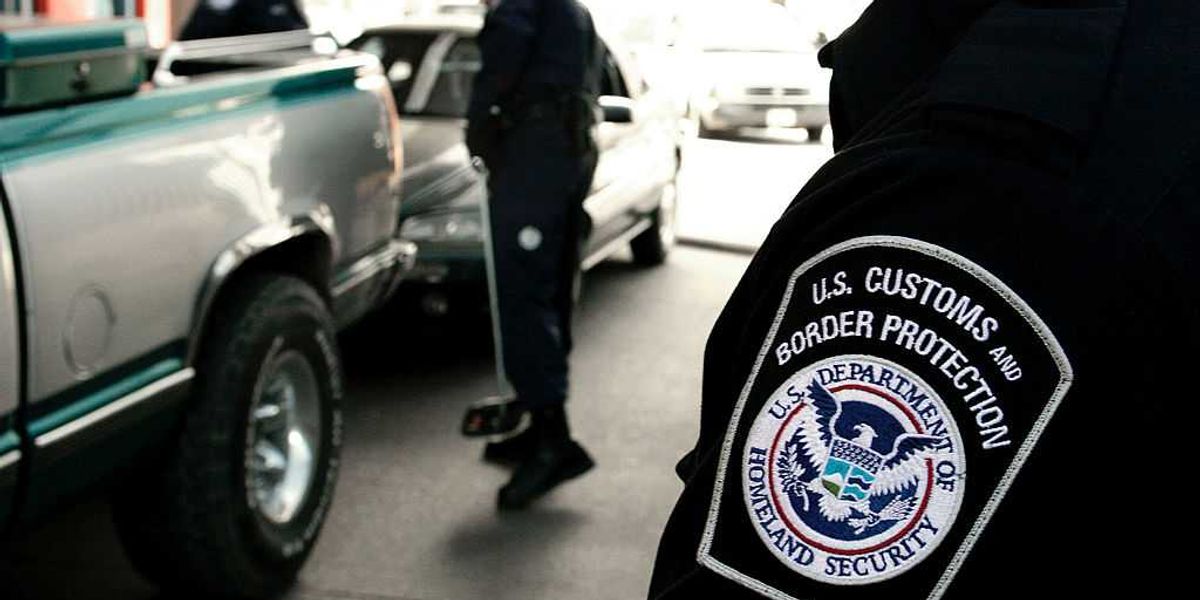
Federal officers detained the driver as he attempted to enter the United States in a 2011 Volvo XC60 at the Laredo Port of Entry. CBP referred the vehicle for a secondary inspection, a routine step that used both a canine unit and a nonintrusive inspection system to search the car.
The inspection turned up 14 packages hidden in the vehicle, which CBP reports contained nearly 33 pounds of suspected cocaine and 288 grams of suspected ketamine. Authorities estimate the street value of the seized substances at $455,822, and the driver was taken into custody while agents seized the car and the alleged narcotics.
“This seizure of cocaine and ketamine at the Laredo Port of Entry demonstrates our ongoing commitment to protecting our communities from dangerous drugs and illicit activity,” stated Alberto Flores, the port director for the Laredo Port of Entry. The statement underlines the practical results of steady enforcement at a busy crossing point.
CBP credited President Donald Trump, Department of Homeland Security Secretary Markwayne Mullin, and CBP officers for the interception and the continued effort to keep illegal drugs off American streets. That acknowledgement reflects a broader Republican emphasis on strong border security and robust support for frontline agents.
Border crossings like the Juarez-Lincoln Bridge are chokepoints where determination and technology meet. Canines and nonintrusive systems are force multipliers, and in this case they helped officers find a well-concealed load that could have ended up in neighborhoods and emergency rooms.
Investigations will continue under the direction of Homeland Security Investigations, which will handle follow-up interviews, forensic testing of the seized substances, and any wider probes into smuggling networks. The seizure itself is a snapshot of an ongoing struggle, one that combines daily vigilance, interagency coordination, and legal follow-through.
‘Our officers’ vigilance and dedication continue to play a critical role in safeguarding the border and preventing narcotics from reaching our streets.’ That line, repeated by officials, is more than a slogan; it describes a pattern of inspections that have repeatedly disrupted attempted smuggling operations at critical crossings.
For communities and policymakers alike, this event highlights two realities: traffickers will use any means to move dangerous drugs across borders, and consistent enforcement can stop some of those attempts before they become public health crises. The seizure underscores why many Republicans press for continued resources and authority for border agencies.
The driver’s age and the vehicle type have drawn attention because traffickers do not fit a single profile, and the use of everyday cars like a 2011 Volvo XC60 shows how smuggling efforts can be disguised in plain sight. As the HSI inquiry proceeds, charges and further details will be resolved in the legal process, but the immediate effect is clear: one more shipment removed from circulation and one more reminder of why border security remains a priority.
CBP’s swift action at the port of entry and the subsequent investigation by federal agents will determine the next legal steps. Meanwhile, officials stress the importance of vigilance and continued support for inspection tools and personnel who stand between illicit supply chains and American communities.