
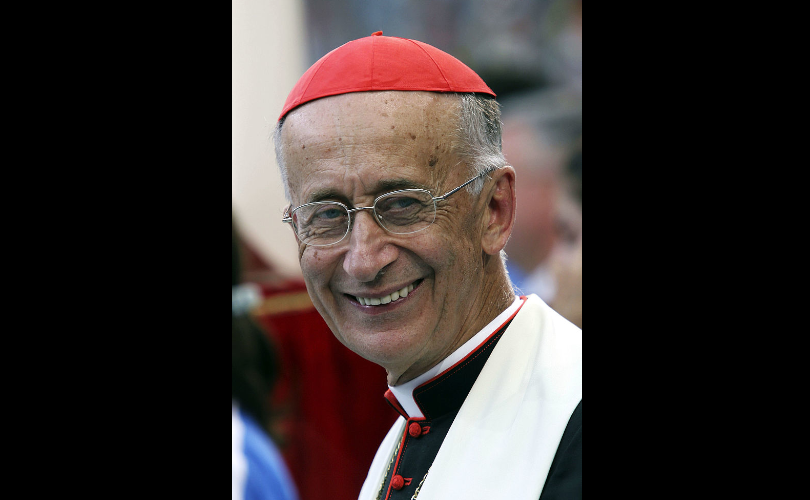
Cardinal Camillo Ruini, who died at 95, left a mark on the Italian Church by rebuilding Catholic influence in public life, resisting changes to assisted reproduction rules, and steering pastoral priorities for almost twenty years; this piece looks at his role, the battles he chose, and how his leadership shaped debates in Italy and beyond.
As a close ally of Pope John Paul II, Ruini became a steady institutional presence during years of cultural change. He favored a Church that spoke clearly into public debates rather than retreating to the sidelines. That approach won him both loyal supporters and sharp critics, and it set the tone for how the hierarchy engaged with lawmakers and media.
One of the most visible fronts for Ruini was the controversy around in vitro fertilization. He actively opposed efforts that would loosen restrictions, and his influence helped block moves some saw as an expansion of reproductive rights. For many Catholics who wanted the Church to defend traditional teachings on life, his stance was decisive.
Ruini worked to rebuild Catholic influence in public life by emphasizing clear moral teaching paired with pastoral care. He pushed bishops to be present in schools, hospitals, and civic conversations rather than hiding from controversy. That visible engagement changed how many Italians perceived the Church’s relevance to everyday decisions and public policy.
Inside ecclesial structures he was often the steady hand who favored continuity over abrupt reform. He believed institutional stability helped the Church carry its message without being consumed by factional fights. While reformers argued for different priorities, Ruini insisted that a firm moral compass was essential to pastoral credibility.
His tenure coincided with debates on bioethics, secularism, and the role of religion in public education. In each of those arenas he encouraged bishops to frame arguments in ways that connected doctrine to social concerns like family life and human dignity. That practical framing helped bridge theological positions and civic conversations.
Not everyone welcomed Ruini’s style. Critics accused him of being too cautious on certain pastoral innovations and too forceful in political debates. Supporters countered that he preserved core teachings at a time when public opinion was shifting rapidly. Those tensions reflect broader struggles across global Catholicism about how to balance doctrine and pastoral outreach.
Beyond policy fights, Ruini invested in formation and liturgical life, pushing for a Church that was both spiritually grounded and socially active. He supported programs for clergy formation and catechesis that aimed to deepen understanding rather than just manage appearances. That long-term focus, supporters say, strengthened parish life in many dioceses.
His influence extended into how Church leaders engaged with media and culture; he urged clear communication and a willingness to take part in public discussion. That stance reshaped how bishops’ conferences and diocesan offices handled controversies, making them more visible and, at times, more combative. It also made the Church a more recognizable voice in national debates.
In the end, Ruini’s legacy is mixed and contested, depending on where one stands on the issues he championed. To his admirers he was a guardian of tradition who knew how to keep the Church relevant in modern Italy. To his critics he embodied an era of episcopal leadership that could have been more open to change.
Whatever the assessment, his death at 95 marks the passing of a figure who shaped Italian Catholicism for nearly two decades and who deliberately placed the Church at the center of certain public conversations. His choices will continue to influence debates about morality, law, and pastoral practice for years to come.
