
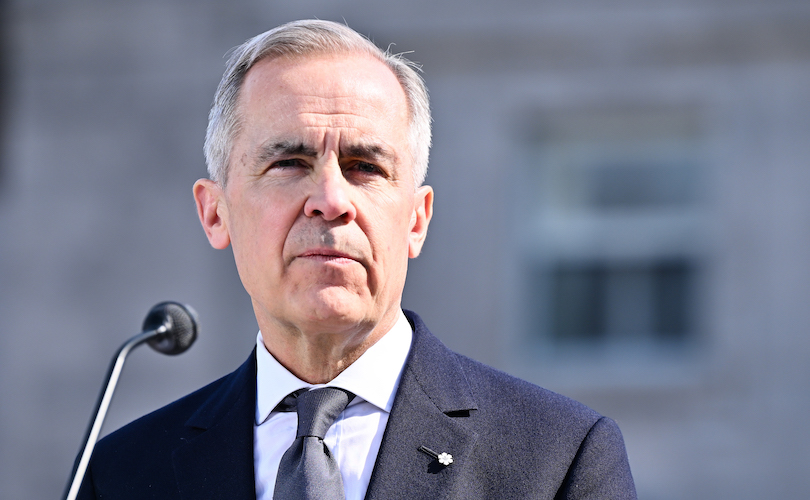
The country is watching as Cardinal Francis Leo publicly urged Mark Carney and the governing Liberals to stop the push to widen euthanasia to people living with mental illness, insisting such a change conflicts with Catholic teaching and demands conscience protections for MPs. This piece lays out the Cardinal’s appeal, the stakes for vulnerable Canadians, and why permitting conscience votes matters now more than ever. It frames the debate from a perspective that values life, religious conviction, and careful limits on state power.
Cardinal Francis Leo stepped into a charged political debate with a clear and firm message: do not extend euthanasia to those suffering from mental illness. He asked Mark Carney to let Members of Parliament vote their conscience rather than being bound by party discipline. That request recognizes both religious liberty and the moral complexity of ending life when illness is primarily psychiatric.
The Cardinal didn’t couch his concern in abstract language; he argued that euthanasia as a policy clashes with the core teachings of the Catholic Church. For many believers, this is not merely a policy disagreement but a deep moral red line, one that implicates how society defines human dignity and worth. When church leaders speak on issues of life and death, they are representing convictions held by millions of citizens who deserve to have their voices heard in Parliament.
From a political angle, the plea to allow MPs to follow conscience is a straightforward defense of democratic pluralism. Forcing MPs to toe a party line on matters of conscience risks alienating constituencies and silencing legitimate moral debate. Giving MPs freedom to vote on this issue would not block legislation by fiat, but it would ensure the law reflects a broader range of ethical perspectives.
Vulnerable people, especially those with mental illness, deserve careful protection rather than a rushed expansion of state-sanctioned death. Mental health conditions are often treatable and can ebb and flow, so permanence of an irreversible decision demands the highest standard of care and caution. The Cardinal’s intervention highlights the duty to prioritize support, resources, and therapies over policies that may offer a shortcut with tragic consequences.
There is also a practical worry about slippery slopes once the threshold for assisted death is lowered. When categories expand beyond terminal physical illness to include psychiatric suffering, the legal and moral lines blur in ways that invite mistakes. A society that rushes to normalize euthanasia risks eroding the respect for life that underpins strong families, communities, and faith institutions.
Religious freedom is another central concern here, and it’s one that voters on the right take seriously. Faith-based institutions and public officials should not be compelled to act against deeply held beliefs without robust accommodations. Cardinal Leo’s call for conscience protections is in line with protecting pluralism in a free society where people of faith participate fully in public life without fear of punishment for their convictions.
Practical alternatives exist that don’t force lawmakers into a binary of life or death. Investing in palliative care, mental health services, and family support systems reduces suffering while upholding human dignity. Those priorities reflect a conservative commitment to protecting life while strengthening the social fabric that helps people recover and thrive.
At the heart of the Cardinal’s appeal is a simple question: should the state make it easier to end the lives of people whose primary suffering is psychiatric? For many Canadians and for many voters of conscience, the answer is no, and they expect their MPs to act accordingly. Allowing a conscience vote would let Parliament weigh that answer carefully, with respect for faith-based objections and with the seriousness this issue demands.
The debate ahead will test how Canada balances moral conviction, religious liberty, and the protection of the vulnerable. Cardinal Francis Leo’s intervention asks leaders to slow down, listen, and respect conscience rights rather than steamroll an expansion that could have irreversible consequences. In a democracy, matters of life and death should be treated with caution, humility, and an openness to the moral arguments raised by faith communities and concerned citizens alike.
