
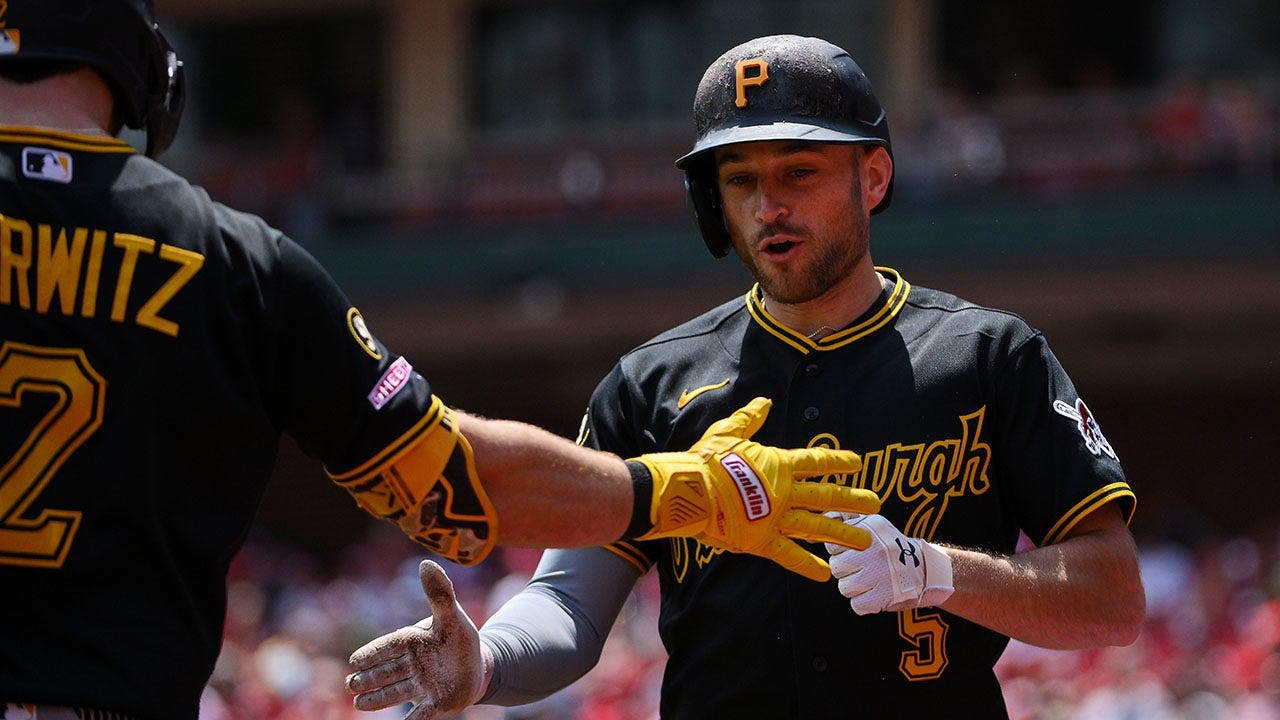
Brandon Lowe was tossed for the first time in his career after a disputed ABS challenge late in the Pittsburgh Pirates’ 10-9 win over the Minnesota Twins on Saturday, and the sequence left plenty of questions about how technology and umpire judgment are interacting in tight games. The ejection came after officials disallowed the challenge, prompting Lowe to argue and ultimately be removed from the contest. The game stayed close and chaotic, with the scoreline and the ruling both keeping fans talking long after the final out.
The moment that sparked the controversy came during a tense stretch of the game when a challenge involving the Automated Ball-Strike system was submitted and then rejected by the crew, an action that set off a heated exchange. Lowe, clearly frustrated by the decision, confronted the umpiring crew and was ejected, marking a career first that will be logged in the official record. With a one-run game on the line and momentum swinging, the emotional reaction was almost inevitable for someone invested in the result.
ABS stands for Automated Ball-Strike and refers to the technology designed to call balls and strikes using electronic systems rather than relying solely on an individual umpire’s judgment behind the plate. In recent seasons, leagues have experimented with ABS in order to create consistency and speed up the game, but the technology also introduces new processes for how challenges and disputes are handled. That mix of hardware, software, and human oversight can create confusion on the field when a play sits in a gray area of the rulebook.
The dispute in this game highlighted that gray area, where a manager or player challenge meets the limits of what the system and the umpiring crew will accept or overturn, and where expectations about evidence and authority collide. When a challenge is disallowed, the optics of fairness and accuracy matter as much as the letter of the rule, because players and fans want clear, predictable outcomes. In high-leverage moments those expectations can snap under pressure, and the result is public disagreement and, sometimes, ejections.
For Lowe, avoiding ejections until this incident suggested a player who usually kept his cool even in heated contests, and that makes the moment stand out more than if it came from someone with a long history of confrontations. First-time ejections tend to get extra attention because they read as a change in tone or a reaction born of exceptional circumstances, rather than a pattern of behavior. Still, a single heated exchange on a Saturday night does not define a player, although it will become part of the narrative around this specific game.
The broader issue this episode raises is how teams, players, and officials will coordinate around technology as it becomes more common, and what the protocol should be when systems provide an answer that officials do not accept. The league and umpiring staff will need to make communication clearer and the grounds for overturning or disallowing challenges more transparent if they want to reduce these flashpoints. Fans want accuracy, players want fairness, and umpires want authority to manage the game, so finding a balance remains the challenge.
Even as the dispute dominated postgame conversation, the scoreboard did not change because of the argument, and Pittsburgh left with a 10-9 victory in a tight matchup that featured swings in scoring and momentum. The ejection itself will sit in the box score beside Lowe’s other statistics for the day, a small but notable entry in a contest that already offered a lot to unpack. For supporters and critics alike, the incident served as a reminder that technology may produce definitive-seeming answers but cannot eliminate human reaction or the need for clear rules.
Expect league officials and umpiring supervisors to review the incident and explain the rationale for disallowing the challenge, because these moments are the ones most likely to prompt adjustments in policy or communication strategies. Players will take notes on how disputes are handled and might alter how they react in future games, while broadcasters and analysts will dissect the decision for weeks. The mix of a one-run game, a heated challenge, and a first-time ejection ensures this moment will be referenced when conversations about ABS and on-field conduct come up again.
