
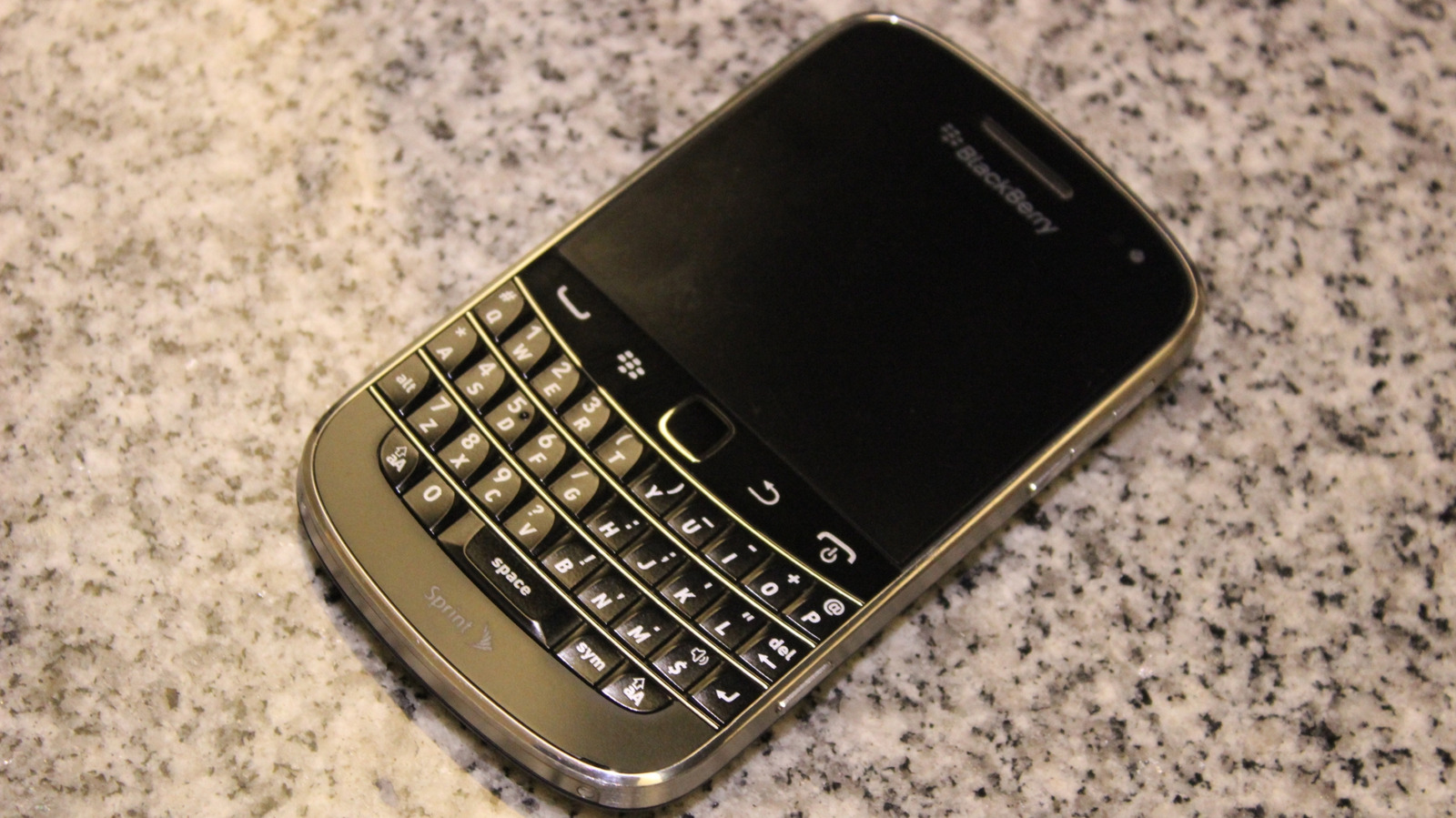
This piece looks at how a handful of modern phones are carrying forward the practical ideas that made BlackBerry famous — tactile keyboards, focused productivity, and a security-first mindset — and why those features still matter to a particular group of users today.
BlackBerry left a clear footprint: efficient typing, enterprise-grade security, and a workflow that favored getting things done. Those strengths didn’t vanish with the brand; they carved out a niche that other designers keep returning to. The result is a small but steady market for devices that prioritize function over flashy consumer bells and whistles.
Physical keyboards remain the single most recognizable BlackBerry legacy. For people who type a lot on a phone, a tactile keyboard can cut errors, speed up message composition, and reduce the friction of editing. It is not about nostalgia alone — it is about a different interaction model that some users find simply faster and more reliable than an on-screen keyboard.
Security and privacy also survived in spirit, if not under the original logo. Modern makers layer hardened versions of Android, selective encryption options, and stricter app-control settings to address corporate and privacy-conscious buyers. The practical takeaway is straightforward: you can get a phone that treats data protection and predictable updates as priorities, without paying for a big-name ecosystem.
Beyond keys and locks, workflow features are a big part of the appeal. Programmable shortcuts, instant access to email and calendar, and physical keys mapped to specific tasks turn a phone into a pocket office. Those design choices change how people use their devices, making short bursts of productivity feel natural rather than forced.
There are trade-offs. Devices that cling to keyboard-first layouts usually accept smaller screens and more complex hinge or slider mechanisms, which can mean higher prices and tougher production. That’s why these phones are a niche play rather than a mass-market comeback; most consumers prefer larger touch displays and streamlined hardware at a lower cost.
The audience for keyboard-forward phones is narrow but consistent: professionals who deal with heavy text, travelers who need reliable, long-lasting batteries, and privacy-minded users who want clear control over software. For them, the benefits outweigh the compromises because these devices reduce friction in daily tasks and extend usable life through robust build and repairable components.
Innovation in mobile is not a straight line, and the elements that made BlackBerry useful keep reappearing in new forms. Foldable screens, magnetic keyboard accessories, and focused software modes are modern interpretations of the same priorities: accurate input, minimal distractions, and durable performance. These experiments show that the ideas behind BlackBerry remain relevant, even if the name does not.
