
Engine blocks may look similar at a glance, but the way they are made can change everything about how they perform, cost, and hold up under pressure. Billet aluminum and cast aluminum blocks each bring their own strengths, and the right choice depends on what kind of driving the engine is meant to handle. For some builds, the difference is about raw strength. For others, it is about flexibility, weight, and how much money is on the table.
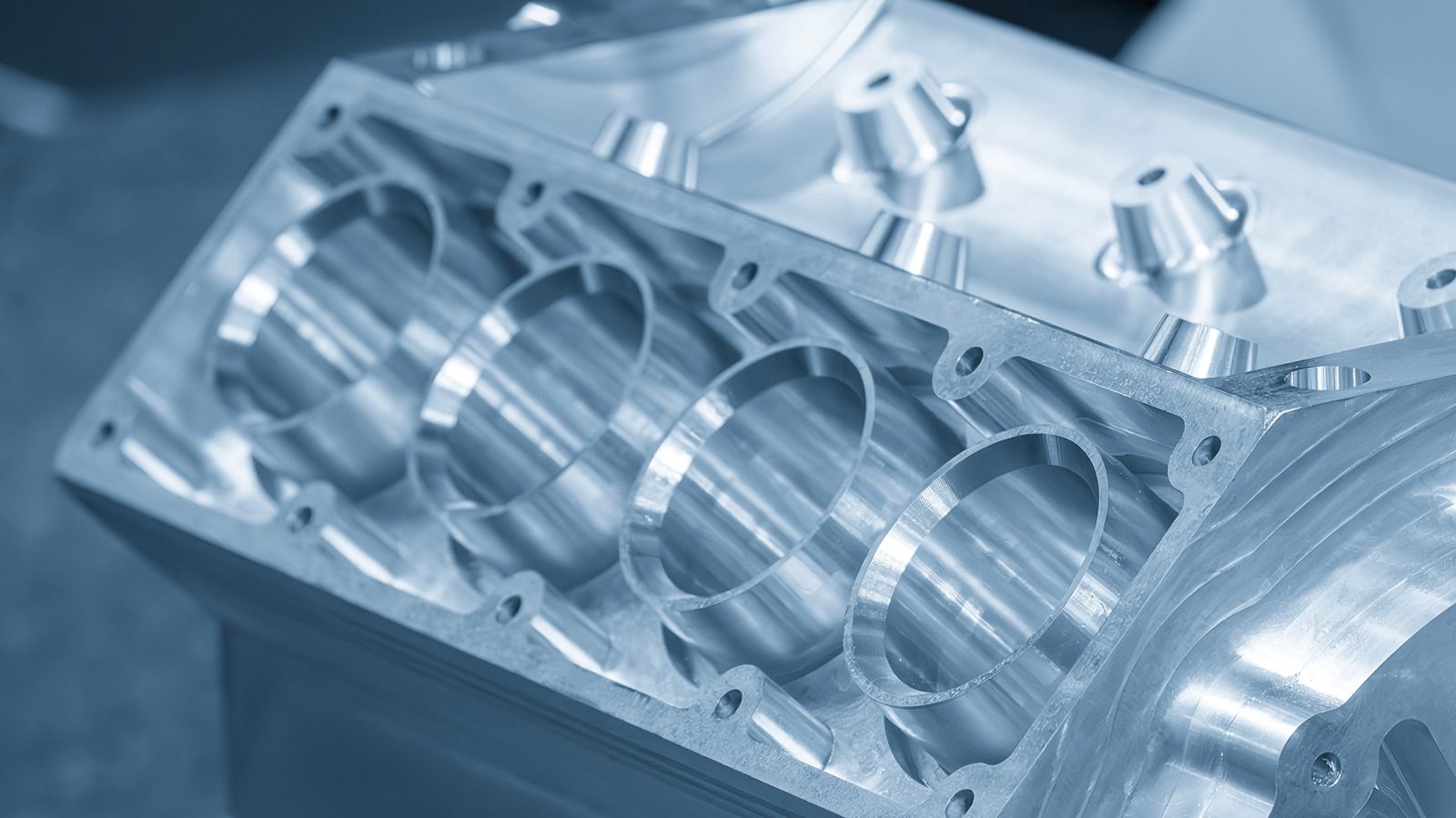
Billet aluminum blocks start as a solid chunk of aluminum and are carved into shape with precision machining. That process gives manufacturers a lot of control, which means they can build in custom features like revised oiling paths, altered bore spacing, different lifter layouts, and stronger main cap designs. The result is a block with tightly controlled dimensions and fewer of the small flaws that can sometimes creep in during casting.
That level of precision is a big reason billet blocks get attention in serious performance circles. When an engine is expected to live at high rpm or handle brutal power levels, consistency matters just as much as strength. A billet block can be tailored for that kind of punishment, which is why it often shows up in racing-focused builds where every detail is dialed in.
Cast aluminum blocks take a different route. Instead of starting from a solid piece of metal, they are formed by pouring molten aluminum into a mold, then machining the finished part afterward. That makes them easier and usually cheaper to produce, which is part of why cast blocks are so common in a wide range of engines.
Even with that simpler manufacturing path, cast aluminum blocks are not soft by any means. They can support serious performance when the rest of the build is up to the job. In many cases, the real question is not whether a cast block can work, but whether it can handle the specific power level and stress that the engine will see over time.
Price is where the gap often becomes obvious. Billet blocks usually cost more because the machining process is intensive and the blocks are often built for specialized uses. Cast aluminum blocks are typically the more affordable option, though extra machine work or reinforcement can close that gap faster than some buyers expect.
There is also the matter of heat. Billet aluminum can expand more as it gets hot, which means it may need a proper warm-up before being pushed hard. That thermal movement can also affect parts around it, including main bearings and, in some designs, the timing belt. It is a reminder that better materials do not always mean simpler maintenance.
Cast aluminum blocks have their own trade-offs under heavy load. They are lighter than cast iron, which helps with weight savings, but they can flex more when cylinder pressures climb. That movement can put extra stress on nearby components, especially in high-output engines that are living close to the edge.
Still, modern cast aluminum blocks have come a long way and can support impressive power when built and tuned correctly. For many street cars and many performance builds, they hit a useful middle ground between strength, cost, and practicality. That balance is often what makes them the smarter pick for drivers who want speed without turning the build into a money pit.
The best choice comes down to how the engine will actually be used. A dedicated race car may benefit from the precision and custom potential of a billet block, while a daily driver or weekend toy may be better served by a cast aluminum block that is easier on the wallet. Power goals, budget, and reliability all matter, and the right answer usually lives in the details of the build rather than the name of the material.
