
College sports has entered a weird new phase, and the money is doing most of the talking. Revenue sharing was supposed to feel like a clean fix, a way to calm the chaos and make the whole system look more orderly, but it has instead exposed just how many tensions were already boiling under the surface. Schools, conferences, athletes, and fans are all trying to figure out who gets paid, who gets protected, and who ends up holding the bag when the numbers do not line up.
The basic promise sounded simple enough. If the sport is making serious money, then some of that cash should flow back to the players who help generate it. That idea has plenty of emotional pull, especially when football and men’s basketball keep filling the coffers while other sports scrape by on fumes. But once the money starts moving around, every program begins asking the same blunt question: shared with whom, exactly, and at what cost?
That is where the trouble starts to pile up. Revenue sharing does not happen in a vacuum, and it does not land evenly across a landscape already divided by TV money, booster influence, conference size, and institutional priorities. A school in the Big Ten is not dealing with the same math as a school trying to keep pace in the SEC, and those differences shape everything from recruiting to scheduling to how long a program can keep pretending the old model still works.
Womens sports sit right in the middle of that fight. Supporters of the new system often point to fairness and inclusion, but fairness gets messy fast when the funding pool is limited and the most profitable sports naturally demand the loudest attention. Some programs will get a boost, others will feel squeezed, and the result may be less about leveling the field than deciding which fields matter most when the money gets tight.
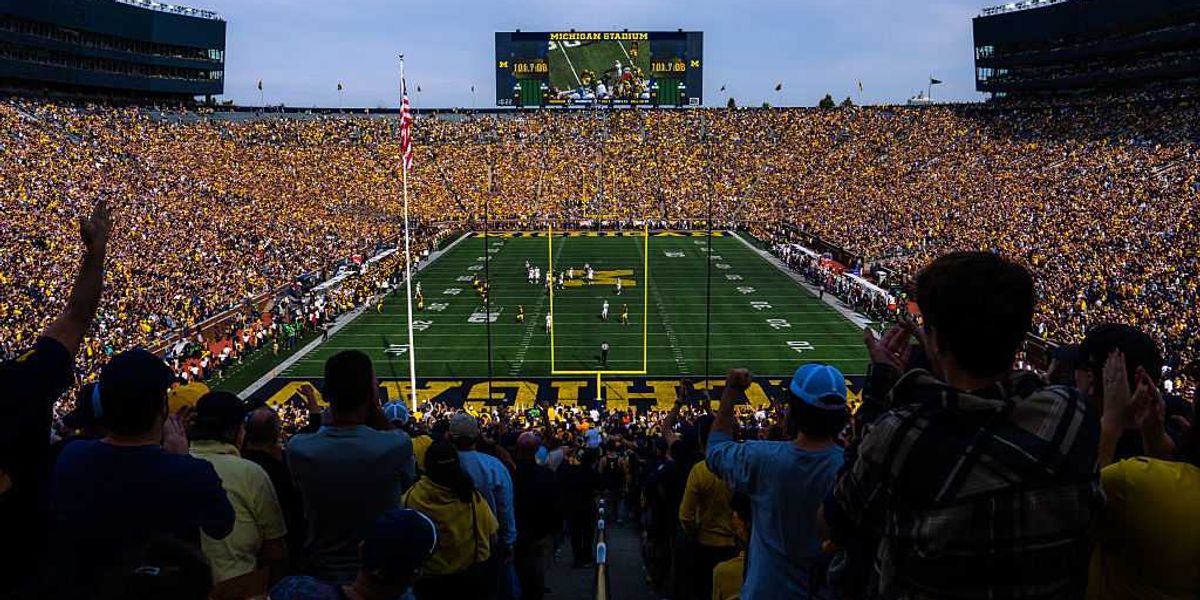
Football remains the engine, and that fact keeps driving the whole conversation back to power. Texas Tech, Michigan, and plenty of other major programs sit inside a system where football success helps finance almost everything else, which means any sharing plan inevitably touches the sport that already carries the biggest load. Once that reality becomes impossible to ignore, the old language about amateurism and tradition starts sounding thinner by the day.
Still, the change is not just financial. It is cultural. Fans who spent years hearing that college athletics was different from pro sports are now watching the walls come down piece by piece, and the shift feels especially sharp because the sport never really sold honesty about its economics. The result is a strange blend of relief and resentment, with people glad the money is finally being admitted out loud while also uneasy about what that honesty reveals.
Big conferences are likely to keep pushing hardest because they have the most to gain and the most to lose. The SEC and Big Ten have built their brands on scale, television reach, and winning at a national level, so revenue sharing fits into a larger arms race that already rewards size and strength. Smaller leagues can talk about balance and tradition all they want, but the financial center of gravity keeps drifting toward the biggest brands.
That is why this moment feels less like a neat reform and more like the opening of a longer fight. Every compromise creates a new set of winners and losers, and every school knows the next adjustment could change recruiting, coaching, facilities, and conference loyalty in a hurry. Revenue sharing was never going to settle college sports once and for all, and now that the money is moving, the real battle is just getting started.
