
Cars used to come with a buffet of engine choices, and that freedom shaped how people bought and drove. This article lays out the practical forces that ended the buffet and shows how regulations, costs, and technology funneled choices down to a few well-tuned options. Expect a clear, conversational tour through manufacturing math, emissions rules, dealer realities, and the rise of electrification.
Back in the 1960s and 1970s you could pick a mild inline-six, a stout V8, or something in between to match personality and budget. That era lived on simpler supply chains and fewer regulatory hurdles, so manufacturers could afford the complexity of multiple engine families. Today those conditions don’t exist; complexity costs money and customers rarely want to pay extra for choice.
Regulations are a huge part of the story. Emissions standards and fuel-efficiency rules mean each engine must be certified, tuned, and tested to meet strict limits, and that process is expensive and time consuming. Producing one well-behaved powertrain is far cheaper than certifying half a dozen variations for the same vehicle shell.
Manufacturers also face global platforms and shared architectures that favor a small set of modular engines. Building around a handful of scalable powertrains simplifies assembly lines and parts inventories across many markets. When your goal is to amortize billions in development costs, variety becomes a luxury you can’t afford.
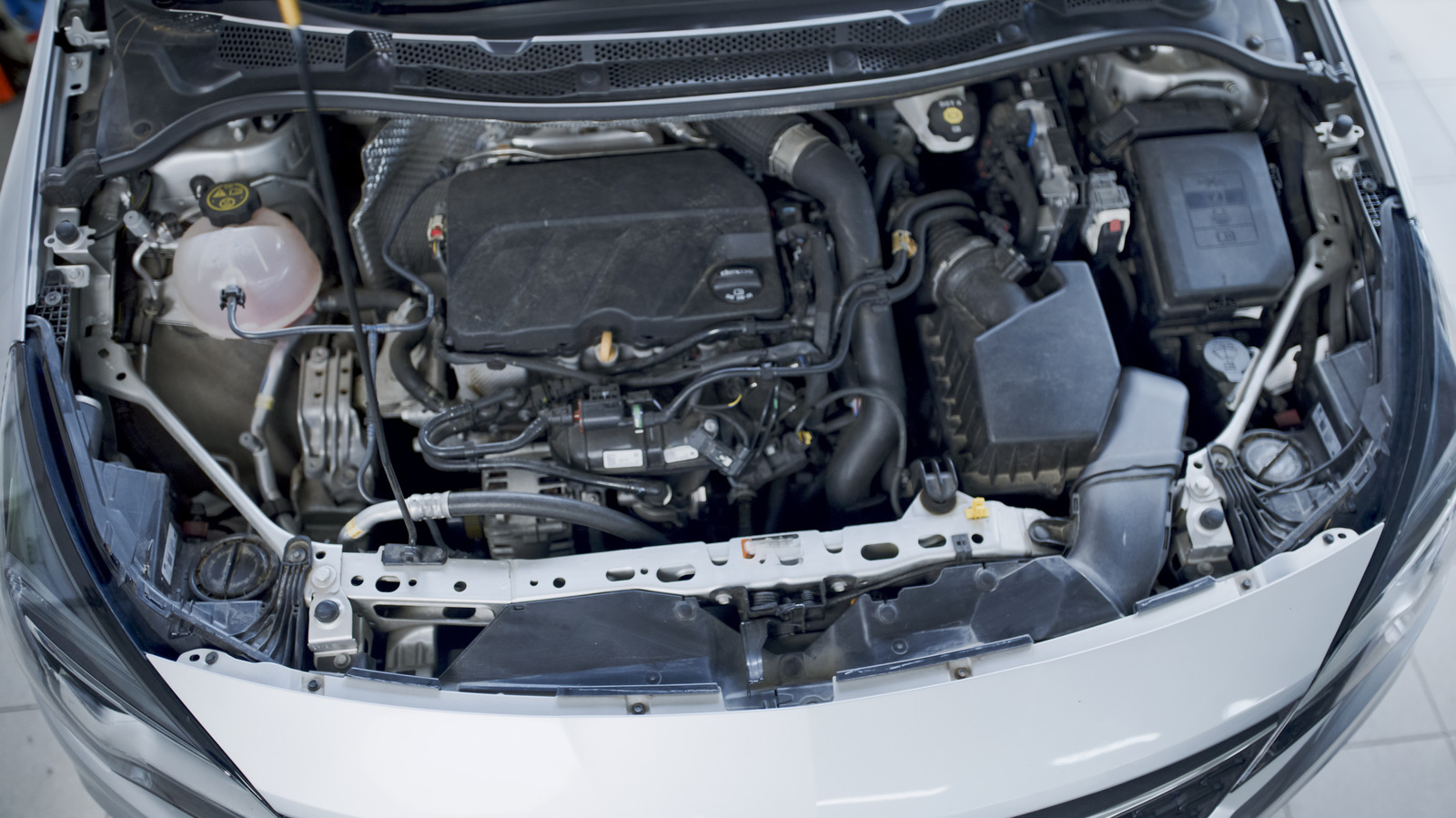
Modern engines themselves are more capable, so a single design can cover a wider performance range than before. Turbocharging, direct injection, and robust engine management let companies tune a single block for efficiency, torque, or outright power without needing an entirely different engine. That technological consolidation reduces the customer-facing choices while preserving the performance spread buyers used to get via different blocks.
Dealerships and supply chains add practical pressure to narrow options further. Dealers don’t want dozens of SKUs piling up on their lots, and logistics teams favor predictable orders and shipments. Fewer combinations mean faster turnover, simpler servicing, and better margins, and that’s something both brands and dealers count on every quarter.
Consumer behavior has changed too; buyers care more about features, infotainment, and fuel economy than about the mechanical specifics under the hood. Many shoppers are happy to get similar real-world performance from a smaller set of well-optimized engines, especially when automatic transmissions and electronic controls mask differences that once mattered. The shift away from enthusiast-dominated sales narrows the incentive for many distinct engine choices.
Electrification accelerates the trend by replacing a whole category of internal-combustion options with a different architecture entirely. EVs drastically reduce the relevance of multiple small-displacement engines, because electric motors flex across the RPM band in ways gasoline engines cannot. As manufacturers invest in battery tech and software, the old model of mixing and matching internal-combustion engines becomes less central to product planning.
There are still ways consumers get variety without dozens of distinct engines: trim levels, software-tuned driving modes, hybrid assist systems, and optional performance packages can change character without multiplying engine types. Luxury and performance brands often preserve more choices, but even they lean on forced induction, modular turbos, and software to broaden appeal while keeping mechanical complexity in check.
That doesn’t mean the era of choice is gone forever; niche builders and specialty tuners still offer alternatives, and modular EV platforms may introduce new ways to configure power delivery. But for mainstream automakers facing strict rules, tight margins, and globalized production, trimming engine lineups was a structural response to a changed world. Consumers get consistent efficiency and reliability, even if they trade away the old-school freedom to pick from a dozen different engines.
