
WWE is serving up a high-stakes tag match featuring crossover buzz and pure in-ring intrigue, and this piece lays out what to watch, why it matters, and how the story could shift the tag landscape. Expect commentary on chemistry, crowd reaction, and the possible fallout for both teams. Read on for a clear-eyed, punchy look at the matchup and its wider implications for the show.
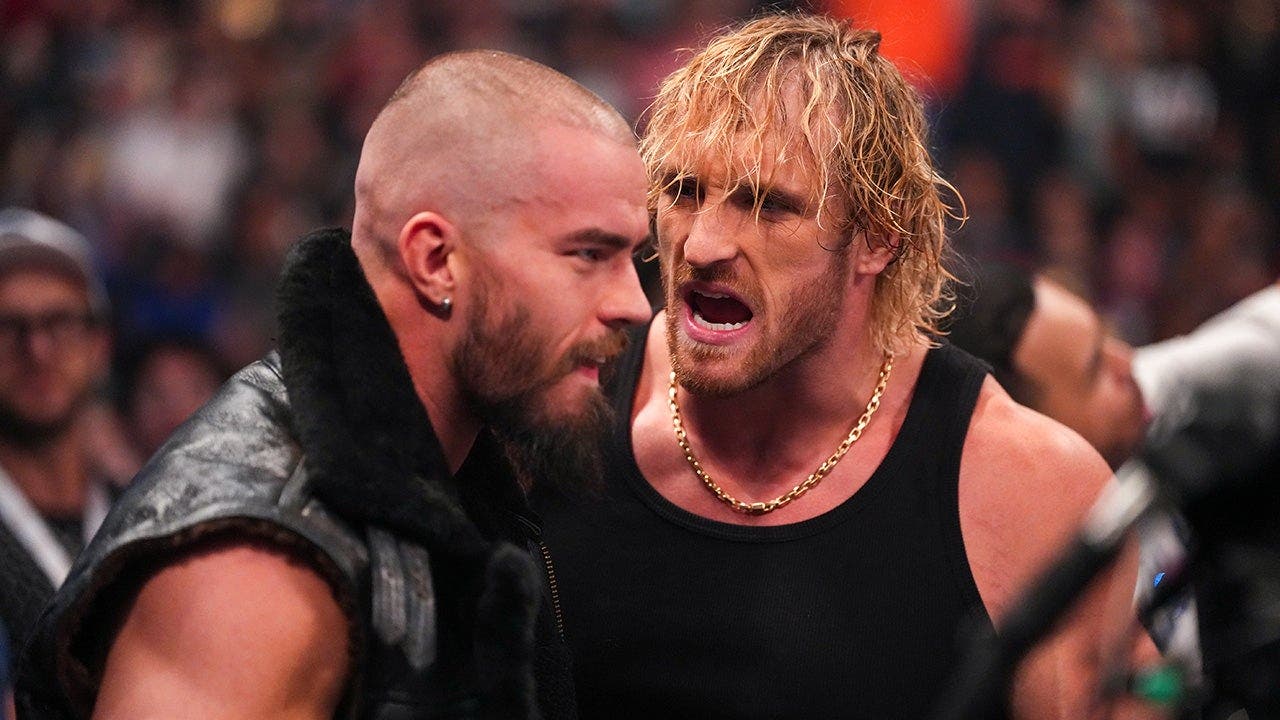
“Austin Theory and Logan Paul defend their world tag team championships against The Street Profits at Saturday Night’s Main Event this Saturday.” That setup pressures both teams to prove they belong at the top of the division, with Logan Paul bringing mainstream attention and Austin Theory carrying the ring credibility. The pairing creates tension between celebrity spotlight and pure wrestling craft, and that contrast is the match’s most compelling narrative.
The Street Profits are built around athleticism, tandem offense, and crowd rapport, which makes them a natural foil for a team that blends star power with technical savvy. Their ability to shift momentum with high-energy sequences is exactly what can unravel an opponent who leans on spectacle. When they sync up, they make even complicated spots look simple, and that could be decisive against Theory and Paul.
Austin Theory brings a modern heel’s arrogance and a knack for ring psychology, which pairs oddly well with Logan Paul’s chaotic, attention-grabbing style. Paul’s presence changes the audience calculus: some fans come for the mainstream name, others to see if he can hang athletically. That split reaction can be a match asset or a liability, depending on whether Theory and Paul control the narrative in the ring or let the crowd dictate the pace.
From a storytelling angle, there are a few clear threads to follow: will this be a showcase meant to elevate the champions’ legitimacy, or will it be a setup for a short-term title change that fuels new rivalries? Match structure matters here; a long, competitive exchange favors The Street Profits, while a chaotic finish or outside interference favors a champions-first booking. Either way, expect the finish to carry weight for upcoming weekly shows and potential rematches.
Pay attention to simple, telling details: how the teams tag, whether Paul’s stamina holds up under sustained offense, and whether Theory plays the strategist looking for the perfect opening. Small moments—an ill-timed mistime, a missed tag, or a perfectly executed double-team—will tell you whether this is a passing spectacle or the start of a meaningful program. The crowd reaction will also be a measuring stick, because in WWE momentum often follows the energy the audience brings to big windows in the match.
Beyond the match itself, there’s a broader business angle at play: crossover names like Logan Paul drive eyeballs and social chatter, but sustaining interest requires credible in-ring storytelling and follow-through. If the champions retain while looking dominant, WWE can leverage the mainstream attention without sacrificing legitimacy. If the challengers win, it signals a willingness to pivot and inject fresh dynamics into a tag division that thrives on momentum swings.
Technically, expect varied pacing with sequences that highlight speed, power, and individual showmanship, interspersed with moments built to pop the crowd. Watch how the referee handles fast tags and whether outside interference or distractions are used to protect anyone’s credibility. The match will likely be as much about presentation and timing as it is about the final pinfall.
No matter the outcome, this bout offers a snapshot of WWE’s current balancing act between spectacle and sport. The result will shape the immediate tag scene and influence how the brand blends celebrity partners with career wrestlers going forward. Fans should tune in ready to judge both the finish and the nuance that surrounds it.
