
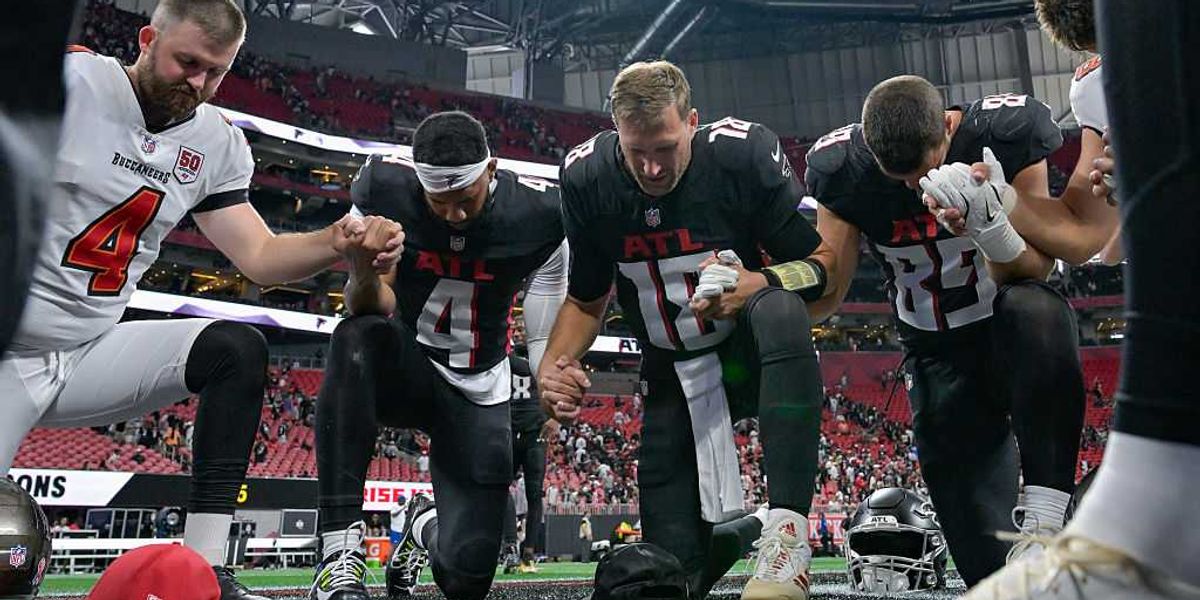
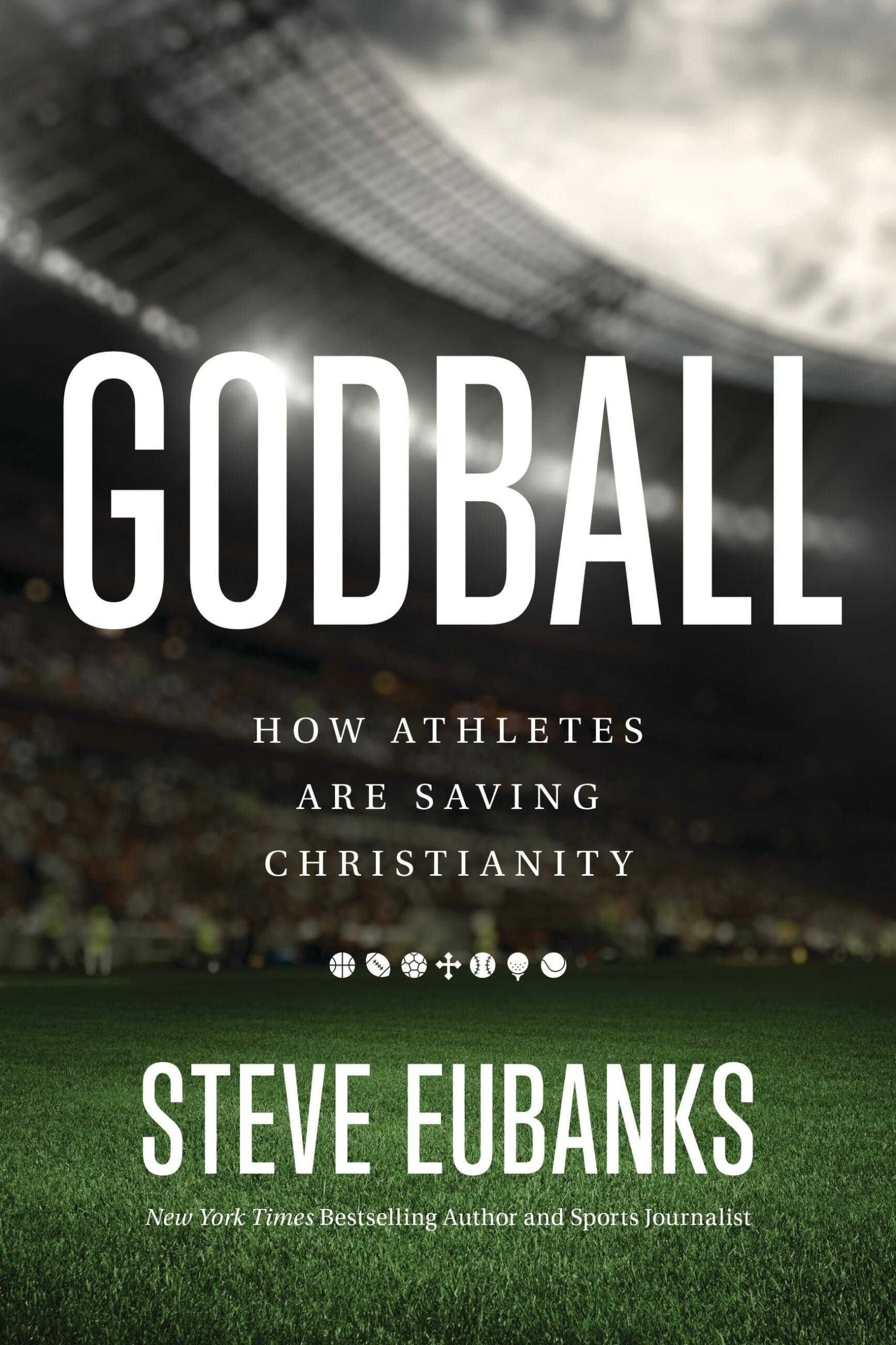
Christianity’s numbers have been drifting for years, but a surprising current is pulling in a new kind of evangelist: athletes using their microphones to point people back to faith. A new book called “Godball: How Athletes Are Saving Christianity” tracks that trend and the writer behind it says the spotlight of sports is turning into a pulpit for many players. This piece follows the argument, the flashpoint that opened the author’s eyes, the reasons athletes speak up, and the threats that could undermine the movement.
For decades the tally of churchgoers and religiously affiliated Americans slipped, and plenty of research notes a long, slow decline. Yet when cameras linger on locker rooms and podiums, viewers hear athletes thanking Jesus and talking about faith in ways that feel unmistakably public and unapologetic. That contrast — shrinking institutions versus loud individual witness — is the starting point of the discussion.
Steve Eubanks, a bestselling author and sports reporter, foregrounds this trend in his forthcoming book, “Godball: How Athletes Are Saving Christianity.” He says a 2023 confrontation over a censored profile opened his eyes: a golf outlet balked at an interview that included a golfer’s faith and pro-life views, and he quit rather than cut the piece. “I don’t think I would have noticed it if it hadn’t been for the event that you and I talked about three years ago,” he said, and that moment is what sent him digging.
Once he started watching more closely, ordinary media moments kept revealing the same pattern: players turning answers into testimony, and not treating faith as something to hide. “Well, then I started paying attention, and I thought, ‘Maybe it’s not that extraordinary; maybe it’s something that’s happening every day, and I just hadn’t noticed,’” he told reporters. The claim is that this is not a handful of isolated cases but a broader phenomenon shaping public conversation.

Why are athletes more likely to speak so plainly? Eubanks suggests part of it is the culture around sports: success in sports breeds a kind of confidence that lets players stand apart from the crowd. He pointed to the environment of competition and merit where outcomes are decided on performance and effort, noting the boost that comes from thriving in “one of the few meritocracies left.” That upbringing — leading teams from a young age, being told to step up — produces people comfortable taking a stand.
The pandemic plays a role too, he says, because it forced a pause in careers that are already short and brittle. “I just think COVID radicalized these kids,” he observed, arguing that when everything you worked for suddenly becomes fragile you reassess priorities and feel a stronger need to speak up. For many athletes, the public platform felt like the right place to do that — to articulate beliefs and invite fans into a conversation about purpose.
Alongside hope, Eubanks flags a real danger: the rise of sports gambling and its corrosive effects on integrity and attention. He warns that the explosion of easy bets, prop markets, and mobile apps creates temptation and damage, and that what used to be a rare, dramatic game fix has in some cases narrowed down to tiny spot-fixes for props. “It’s almost the slot machine effect. There’s just enough bells and whistles to keep you engaged and to keep you throwing money down the rathole,” he said, and he worries that addiction and compromised contests could blunt the positive cultural sway athletes now hold.
To turn visibility into lasting influence, Eubanks argues athletes should pair words with concrete stands against practices they find immoral, from opposing betting entanglements to rejecting obscene lyrics in stadiums. “In order to walk the walk, you’re eventually going to have to stand up and say, ‘This is not right; we shouldn’t be doing this,’” he said, urging public leaders in sports to use their leverage. That kind of visible resistance, he believes, could amplify the moral message and keep fans watching more than just highlights.
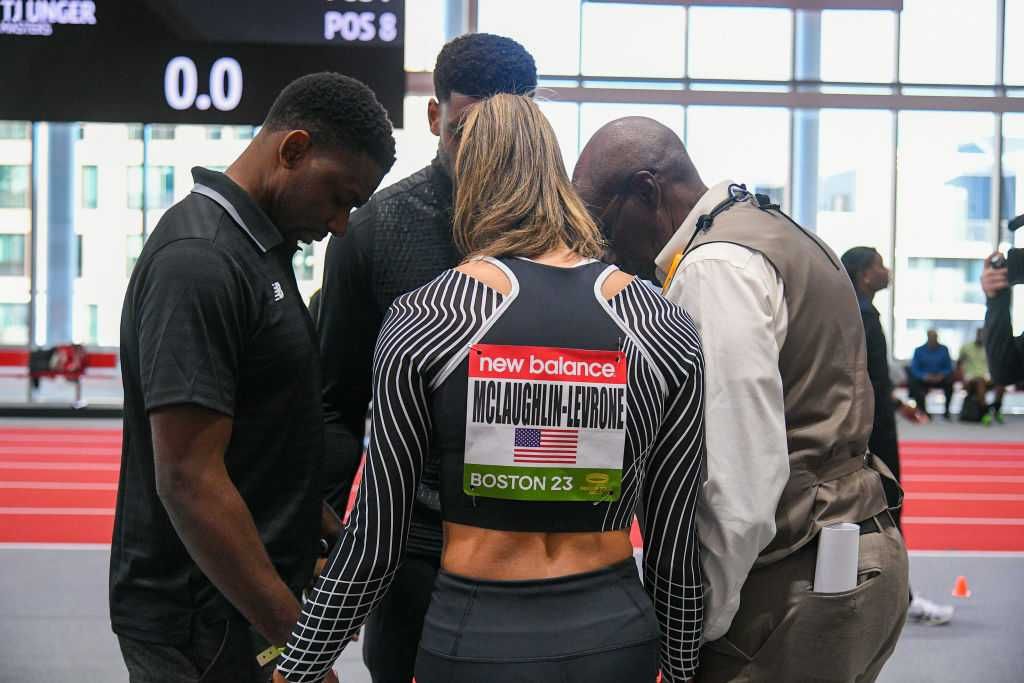
Eubanks hopes the trend grows into something sustained, drawing young people — especially young men — back to communities of faith through the example of athletes. He thinks the movement is already spreading, and he leaves readers with an emphatic line that sums up his conviction: ‘You’re not alone in seeing it, and you’re not alone in recognizing that it is a revival.’ Whether that revival reshapes broader religious life depends on whether athletes keep speaking clearly and whether institutions resist the forces that would compromise those testimonies.
