
The battlefield is changing fast, and the Army is acting like it. Senior leaders are warning that future conflict may not stay far from American shores, especially as drones, cyberattacks, and long-range strikes threaten bases, supply lines, and the systems that keep U.S. forces moving. That shift is driving a hard reset in how the service thinks about defense, deployment, and the basics of staying in the fight.
For years, U.S. military planning leaned on a simple idea: stop the enemy overseas before anything serious could touch the homeland. That logic made sense during the long wars in Iraq and Afghanistan, when American troops could usually count on safer rear areas and dependable logistics. Now Army leaders say that comfort is fading, and they are preparing for a world where the opening moves of a conflict could hit home first.
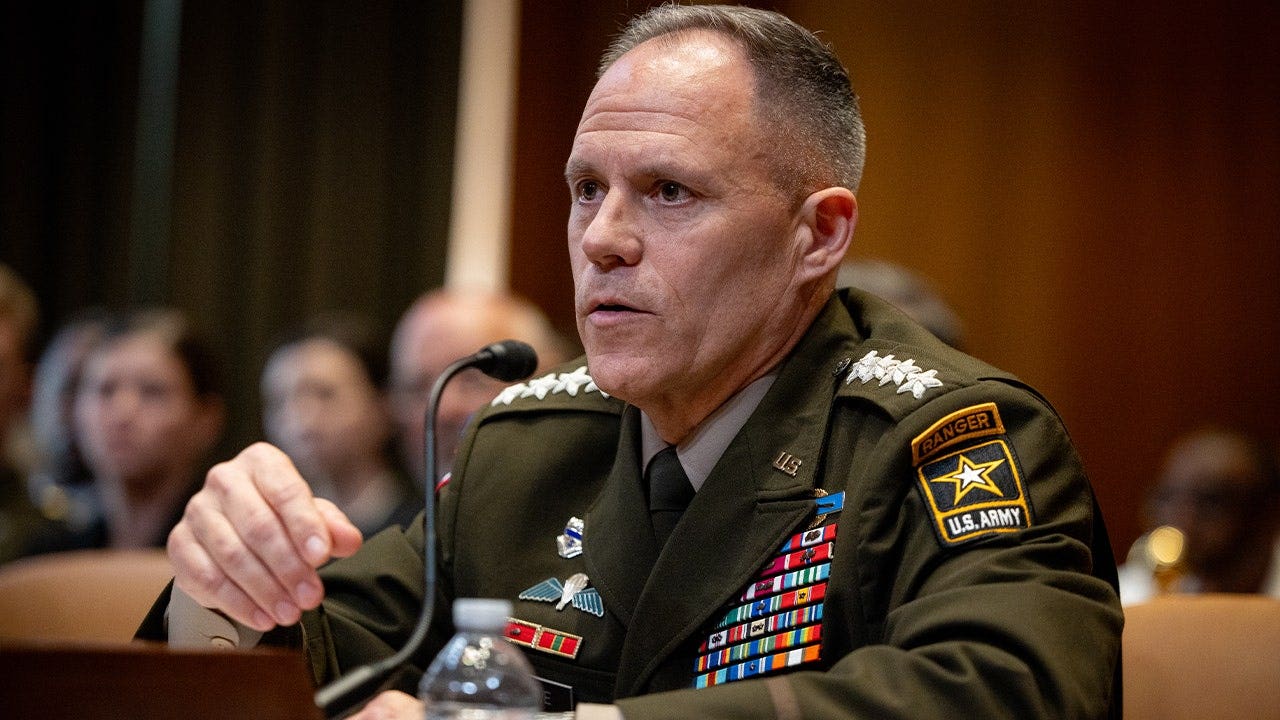
Gen. Christopher LaNeve, the acting Army chief of staff, said that assumption no longer holds against a capable rival. “If we’re going against a pacing threat, power projection will be contested,” he said, underscoring how much harder it could become to move troops and equipment quickly in a major war. The message is blunt: the Army cannot assume smooth access to the battlefield anymore.
That concern is closely tied to China, which Pentagon assessments say has built cyber tools that could be used inside U.S. critical infrastructure networks. If those systems were disrupted, military mobilization could slow down before the first shot is fired. That means roads, communications, fuel, and transport are not just support functions anymore, they are targets.
The threat is not theoretical either. U.S. officials have already acknowledged drone activity near bases such as Joint Base Langley-Eustis in Virginia and Picatinny Arsenal in New Jersey. Those incidents have not been publicly tied to China, but they fit the broader pattern of small, cheap technology creating big security headaches for the military.
LaNeve said the Army is trying to shed old habits formed during the Global War on Terror, when certain things could be taken for granted. In his view, the service has to prepare for a fight where communications may be jammed, supply routes may be under pressure, and units may have to keep operating even when they are cut off. That kind of flexibility is now treated as a core requirement, not a backup plan.
The Army’s new direction also puts more weight on homeland defense. Leaders want installations and critical infrastructure better protected, especially as adversaries show more interest in drones and other low-cost tools that can bypass traditional defenses. The goal is to make sure bases are harder to probe, harder to disrupt, and tougher to surprise.
LaNeve pointed to Joint Interagency Task Force 401 as part of that effort, describing work with federal and local law enforcement to tighten counter-drone defenses around military sites. That cooperation reflects a bigger reality: the military cannot protect everything alone. Civilian agencies, local officials, and federal partners all have a role when the threat zone starts creeping closer to home.
At the same time, the Army is rolling out a broader framework that stresses how to deploy, communicate, and sustain operations under attack. The idea is to keep formations moving even if digital links break or supply chains get hammered. Soldiers may be better connected than ever, but leaders still want them ready to operate when the screen goes dark.
That push for resilience comes with a reminder that technology is only part of the answer. New systems can help detect drones, protect networks, and speed up movement, but they do not replace battlefield instincts or basic soldiering skills. The Army wants troops who can use modern tools without becoming dependent on them.
LaNeve said the new guidance is meant to give the service a clear direction and a firm stake in the ground. That kind of clarity matters when leadership is in transition and the stakes are rising. The Army is trying to build a force that can absorb shocks, adapt quickly, and keep fighting when the assumptions of the last two decades are gone.
