
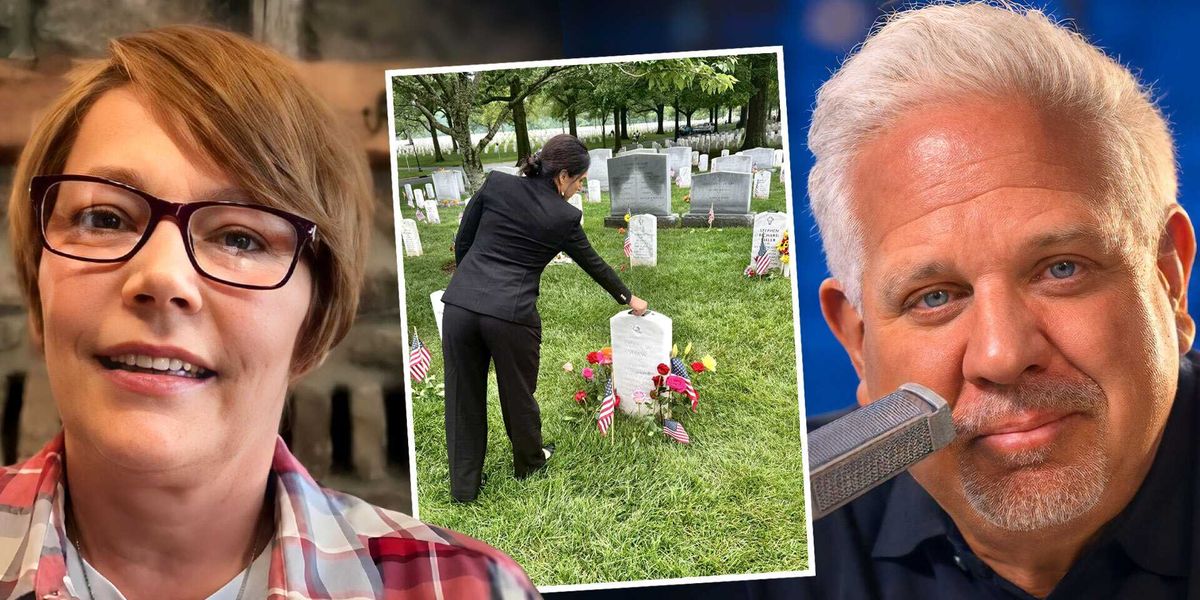
On Memorial Day a quiet plea from Sharrell Anne Shaw turned into a wave of remembrance that reached across the country and beyond. Her request for a fresh photo of her husband’s grave at Arlington National Cemetery sparked strangers to stop, reflect, and share their own moments of gratitude. The response showed how a single ask can reopen memories, invite stories, and remind people why we mark this holiday.
A simple visit to Arlington started as a favor and became a community thread. “This is probably a long shot, but if anybody happens to be in DC this weekend and plans on visiting Arlington, I would love to see a fresh photo of my husband’s grave in Section 60,” Shaw wrote in . The message was modest and heartfelt, asking only that someone say his name and snap a picture so she could see that he hadn’t been forgotten.
What followed surprised everyone who watched it unfold. “There’s just something about knowing people still stop by, still say his name, still remember,” she added. Responses poured in from people who offered photos, prayers, memories, and notes about their own lost loved ones, converting one small request into a wider moment of collective care and recognition.
https://x.com/SharrellAnne2/status/2058635134648115425
Glenn Beck picked up the story and spoke with Shaw about how ordinary kindness turned into something larger. “So people started asking, ‘What was he like? Tell me about him.’ And then I think just miracles happened,” he comments before speaking to her. Their conversation captured how grief can meet compassion and create unexpected connections between strangers.
Shaw described the steady stream of messages that followed her post and the images that arrived from faraway places. “I thought reaching out to people who would be in the area was a good idea. I thought maybe, might get one or two people to stop by and just say hello and snap a quick picture for me. And the unbelievable happened from there,” she tells Glenn. People shared photos not only of her husband’s resting place but of their own tributes and moments of remembrance.
The ripple effect reached notable visitors as well. “People from all over the world have responded to that post with prayers, pictures, pictures of their loved ones as well as pictures of Alan’s final resting place in Section 60,” she says. Seeing flowers and flags left by other visitors reassured her that a wider circle of Americans was pausing to honor the sacrifice and the family left behind.
One public figure who answered the call was Tulsi Gabbard, who paid her respects in person. She wrote , “It was an honor to visit your husband’s grave today on your behalf, and to pay my resorts. It was wonderful to see the beautiful flowers representing many others who did the same. Our nation owes a debt of gratitude to those who made the ultimate sacrifice, and to the loved ones they left behind. Thank you for your service and sacrifice.” That note amplified the message: remembrance is personal, but it also belongs to the national story.
Shaw urged people to keep celebrating, but to do so with awareness of the cost that makes celebration possible. Going into the weekend, Sharrell Anne didn’t anticipate what would happen, but she did want to “remind everybody that it was okay to have their barbecues and their celebrations and their fireworks,” as long as they “remember why we’re able to do that.” Her words were both practical and gentle—encouraging joy while calling for gratitude.
Her final thought stayed simple and clear: “Remember that these freedoms we’re enjoying come at a very high cost. So celebrate, but be grateful,” she added. That balance — honoring loss while living boldly — is what many people took from the exchange, a reminder that small acts of kindness can echo far beyond their first moment and help keep names and stories alive.
