
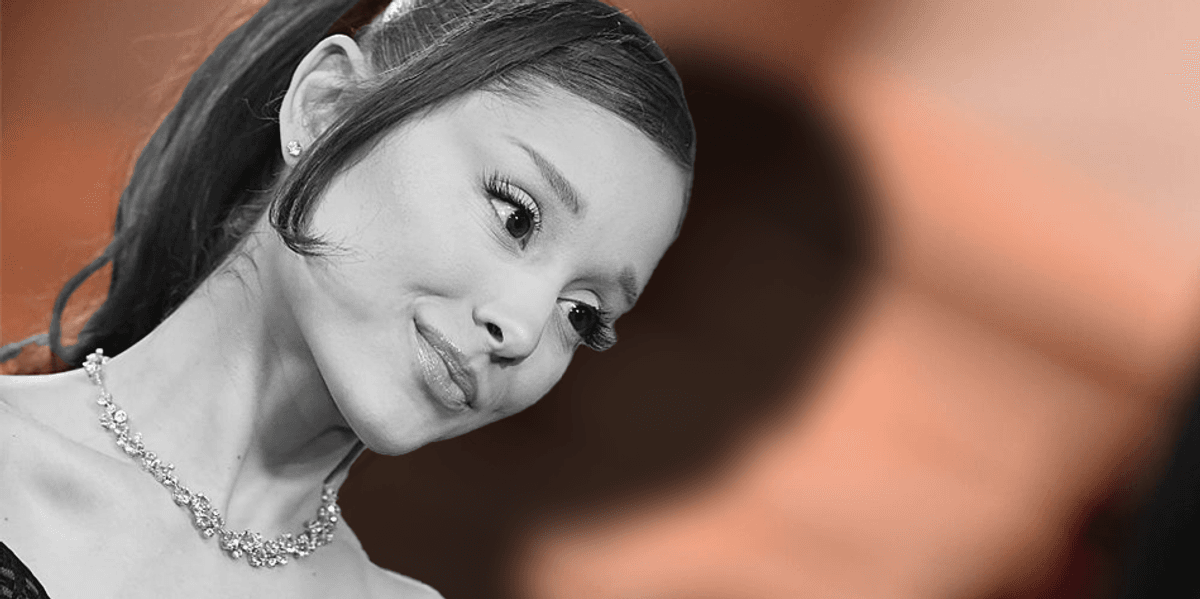
Ariana Grande found herself in the middle of a fresh online storm after a TikTok post pushed her back into the culture-war spotlight. The reaction was swift, loud, and split right down the middle, with critics and supporters treating the video like a mini referendum on celebrity activism, gender politics, and the Trump era’s lingering tension. What started as another social media moment quickly turned into a broader fight over identity, sports, and who gets to define “truth” in public.
The clip set off a wave of commentary because it touched a nerve that has stayed raw for years. Grande’s message was framed by many as a direct jab at the Trump administration, and that was enough to get people firing back almost instantly. In today’s social media climate, even a short video can become a full-blown political flare-up before the day is over.
Supporters praised the singer for speaking out and staying true to her views, while critics argued that she was wading into a topic that has already been argued to death. That divide is nothing new, but the speed of the reaction showed just how easily entertainment and politics now collide. A pop star no longer gets to be “just” a pop star once the internet decides to turn every statement into a statement.
At the center of the backlash was the larger debate over men in women’s sports, a subject that has become one of the most heated issues in public life. For many conservatives, the concern is simple and practical: fairness matters, safety matters, and women should not be forced to give up hard-won spaces to satisfy activist talking points. That frustration is why celebrity commentary on the issue tends to land like a spark in dry grass.
Grande’s name carries major cultural weight, so when she speaks, people listen whether they want to or not. That makes her a lightning rod, especially in an environment where fans often expect stars to take a side and critics are eager to punish them for doing exactly that. The whole episode is a reminder that fame does not soften controversy, it often supercharges it.
The Trump administration remains a symbol people use to frame all kinds of disputes, even years after its most intense headlines. For some, it represents pushback against elite consensus and a refusal to bow to fashionable trends. For others, it is shorthand for division, but that divide only adds fuel when celebrities toss their opinions into the mix.
Social media has changed the tempo of these fights. A post that once might have been a passing remark now gets clipped, shared, debated, and dissected until it becomes something much bigger than the original message. TikTok, in particular, thrives on emotional reactions, and that makes it the perfect stage for a backlash cycle that never seems to slow down.
The entertainment world keeps learning the same lesson: audiences are not interested in polished slogans if they think the message is disconnected from reality. When public figures comment on gender and sports, the response is no longer limited to fan circles or late-night chatter. It hits the mainstream fast, and it often exposes how deep the cultural split really runs.
Grande’s post did not just trigger opinions about one singer or one video. It tapped into the larger frustration many Americans feel when politics, celebrity branding, and ideological messaging all blur together at once. That mix can be exhausting, but it also guarantees that any new flashpoint will get treated like a national event before the ink is dry.
For now, the debate keeps rolling, with each side convinced the other is missing the point. The internet may move on to the next outrage soon enough, but the arguments around truth, fairness, and who gets to set the rules are not going anywhere. And as long as celebrities keep stepping into those fights, the reactions will keep coming hard and fast.
