
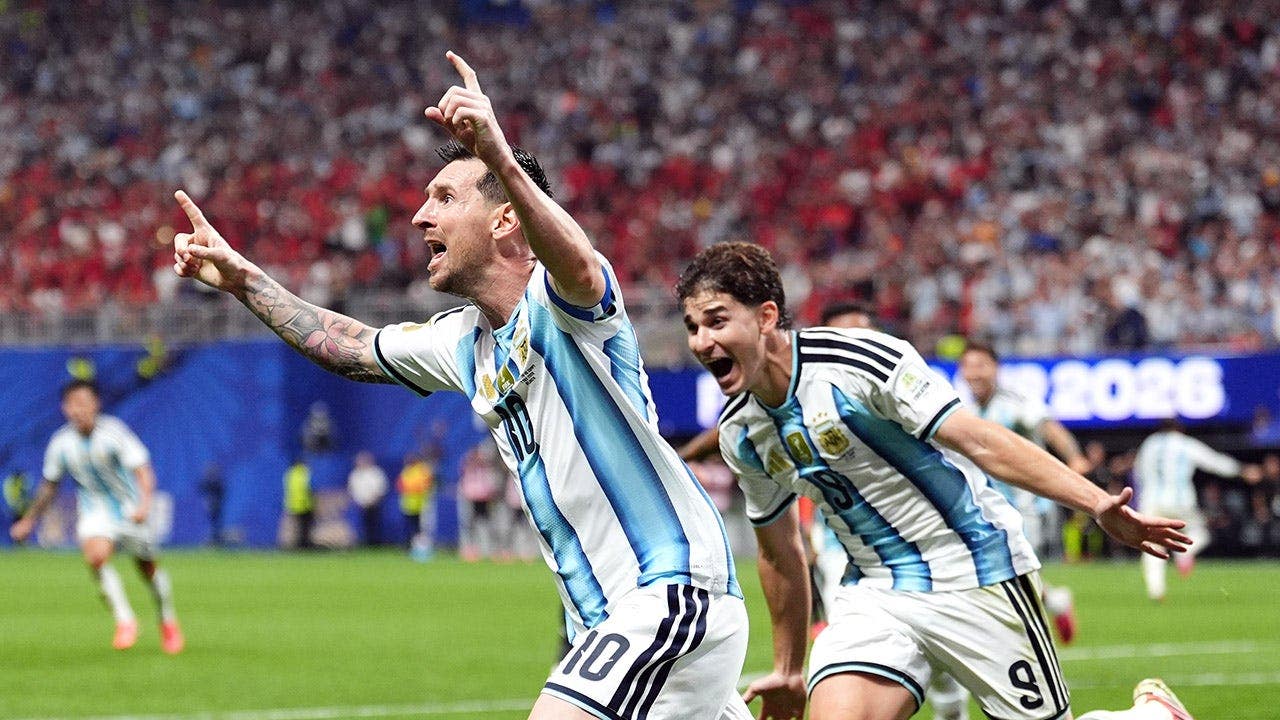
Argentina overturned a dire situation with a breathless run of three goals in under 15 minutes to complete a stunning World Cup comeback after trailing 2-0 late in the match. The sequence flipped the scoreboard and turned a likely defeat into a dramatic victory that will be replayed for years. This was the kind of finish that reminds fans why they love tournament football.
The first half and much of the second looked comfortable for the team that built a two-goal lead, but Argentina refused to fold. Once they found a foothold, the visitors poured forward with renewed intent and a clarity that had been missing earlier. That shift in attitude changed everything in short order.
Pressure grew on the side that had been leading as Argentina tightened passing lanes and increased tempo. Small moments swung momentum: a clever touch, a recovery tackle, a burst of speed that opened space. Football is often decided by such slivers of luck and timing, and here those slivers favored the comeback side.
When the goals began to arrive, they came fast and without mercy, collapsing the scoreboard in a matter of minutes. Each strike built on the last, erasing a two-goal deficit and replacing doubt with belief. The stadium atmosphere, already tense, became electric as the sequence unfolded.
Coaches on both sides were pushed into reactive mode, trying to outguess one another as the game tilted. The team that had led had to retreat into protection and held on to hope; the chasing side had all the momentum and freshness in the final third. That contrast defined the closing stages and highlighted why momentum matters so much in tight matches.
Individual plays stood out inside the collective surge, but the comeback was powered by a group effort rather than a single moment of genius. Runs off the ball, quick recycling in midfield and decisive finishing combined to produce the turnaround. In tournaments, depth and cohesion often win out when matches get frantic in the final stretch.
For the side that slipped from advantage to defeat, the result will prompt questions about game management and concentration in decisive minutes. Conceding multiple late goals often points to a breakdown in discipline or an inability to absorb pressure. Coaches will study those sequences closely as they prepare for what’s next in the tournament.
For Argentina, this kind of result is a morale rocket. Pulling off a comeback like this reinforces belief and sends a clear signal to future opponents: never count them out. Results that arrive in such dramatic fashion can reshape the narrative around a team’s campaign overnight.
Beyond the immediate standings, the match delivered everything football promises: tension, reversal, and a finale that felt too cinematic to be real. Fans will talk about the timing of the goals, the swings in mood and the moments that turned the game. These are the performances that linger, not because of a single play but because of the emotional arc the comeback created.
This match will be remembered as a reminder of the sport’s unpredictability and the sheer possibility of late heroics. When a team climbs back from two goals down to win in the same spell, it leaves a mark on the tournament’s storyline and on everyone who watched. The World Cup thrives on nights like this, when hope and drama collide on the biggest stage.
