
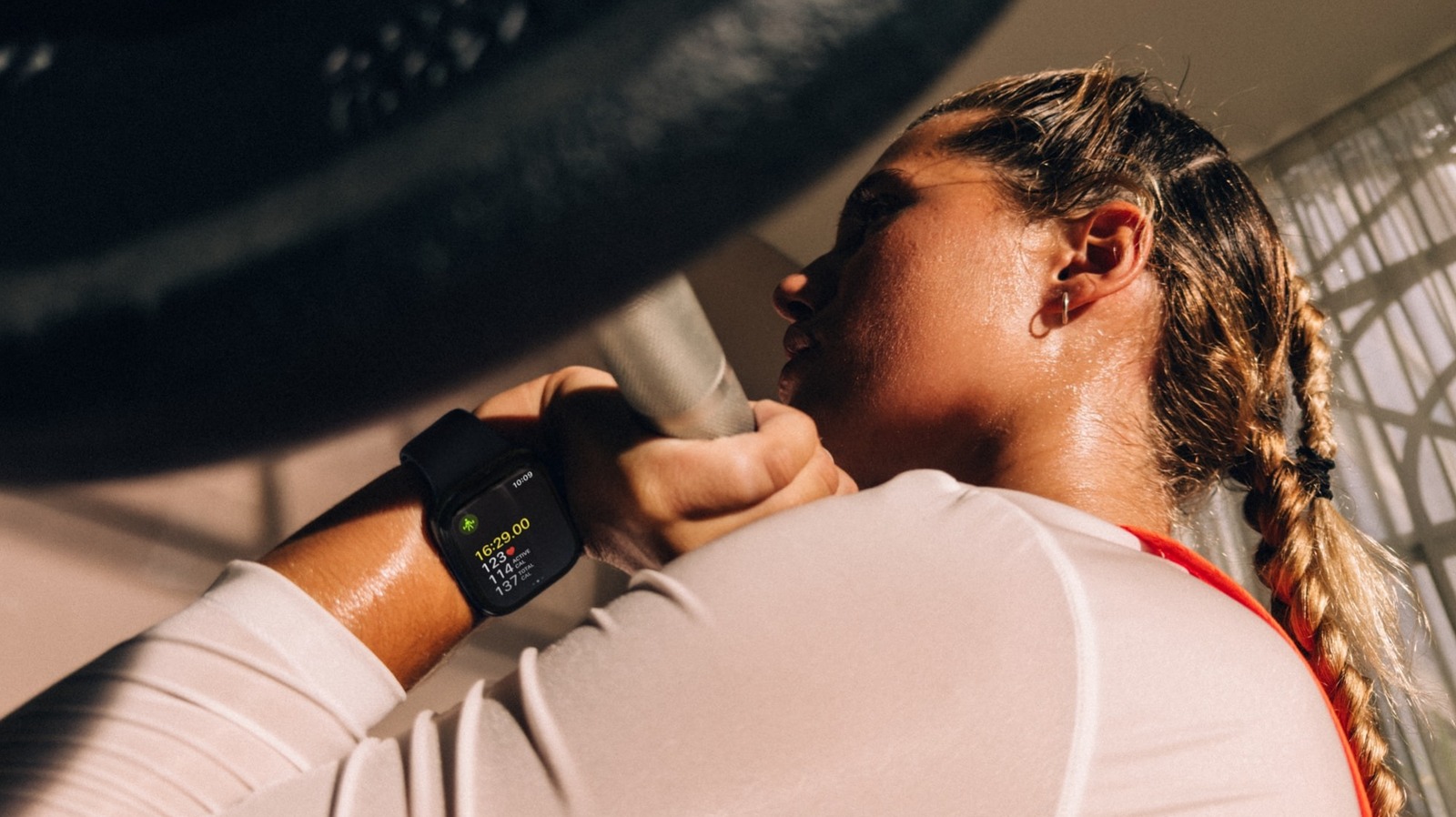
Apple’s latest Watch announcements push the device deeper into health tracking and conversation capture, with the Series 12 and Ultra 4 leaning hard into AI-driven smarts. The upgrades sound useful on paper, especially for people who treat their watch like a daily health dashboard. But the bigger question is whether all this added awareness feels helpful, or just a little too intimate for comfort.
The standout pitch is the new Health Sensing System, which Apple says brings more accurate heart-rate tracking than other mainstream consumer wearables. That matters for anyone who depends on a watch to keep tabs on workouts, recovery, or general wellness. Better accuracy is hard to argue with when the whole point of the device is to deliver numbers people can trust.
Apple is also layering in Readiness reports, which tap health data to suggest what kind of day the user should have. If the numbers point toward fatigue or stress, the watch may recommend taking it easy instead of chasing a hard workout. That kind of guidance can be handy, but it also nudges the watch from passive tracker into something closer to an opinionated coach.
The redesigned Health app pushes even further with a more personalized Insights tab and a new Longevity tab. The app also lets users schedule and buy lab tests, then fold those results into the broader picture. It is a big step toward making the watch a central hub for personal health data, which will sound great to some and slightly overwhelming to others.
Then there is Siri Recap, which takes the whole idea of voice assistance into stranger territory. Apple says it can help summarize conversations, while Live Rewind can pull text from the previous 15 seconds of speech. In plain terms, the watch is getting better at capturing what people say, and that is exactly why some users are going to side-eye it.
None of these tools are inherently bad. A device that catches missed details in a conversation or helps keep track of a doctor’s numbers can genuinely save time and reduce stress. The problem is that usefulness and intrusiveness often live pretty close together when a gadget starts listening, learning, and advising all the time.
That tension is especially noticeable right now because plenty of people are already trying to cut back on screen time and digital overload. Some are moving toward simpler phones and lighter tech habits, not deeper dependence on devices. Against that backdrop, Apple’s vision feels less like a small upgrade and more like another shove toward a life where the watch knows a lot, says a lot, and maybe notices a little too much.
Health tracking can absolutely be empowering when it helps someone spot patterns, stay active, or catch a problem early. Still, the more data that gets funneled into one place, the easier it is for users to start treating every reading like a verdict. That can turn a practical tool into a source of constant self-monitoring, which is a fast way to make wellness feel like work.
The privacy angle is impossible to ignore either. Apple may give users control over when Siri Recap is active, but the idea of a wearable quietly parsing conversations is still going to make some people uneasy. Even Live Rewind raises a funny but real question: at what point does asking a device to repeat what was said become more natural than just listening to the person in front of you?
Apple is clearly betting that most people will welcome the convenience and enjoy the added intelligence. For plenty of users, that will probably be true, and the appeal is obvious. But the comfort level with a watch that tracks health more closely and listens more closely is going to vary a lot, and that’s where the real conversation starts to get interesting.
