
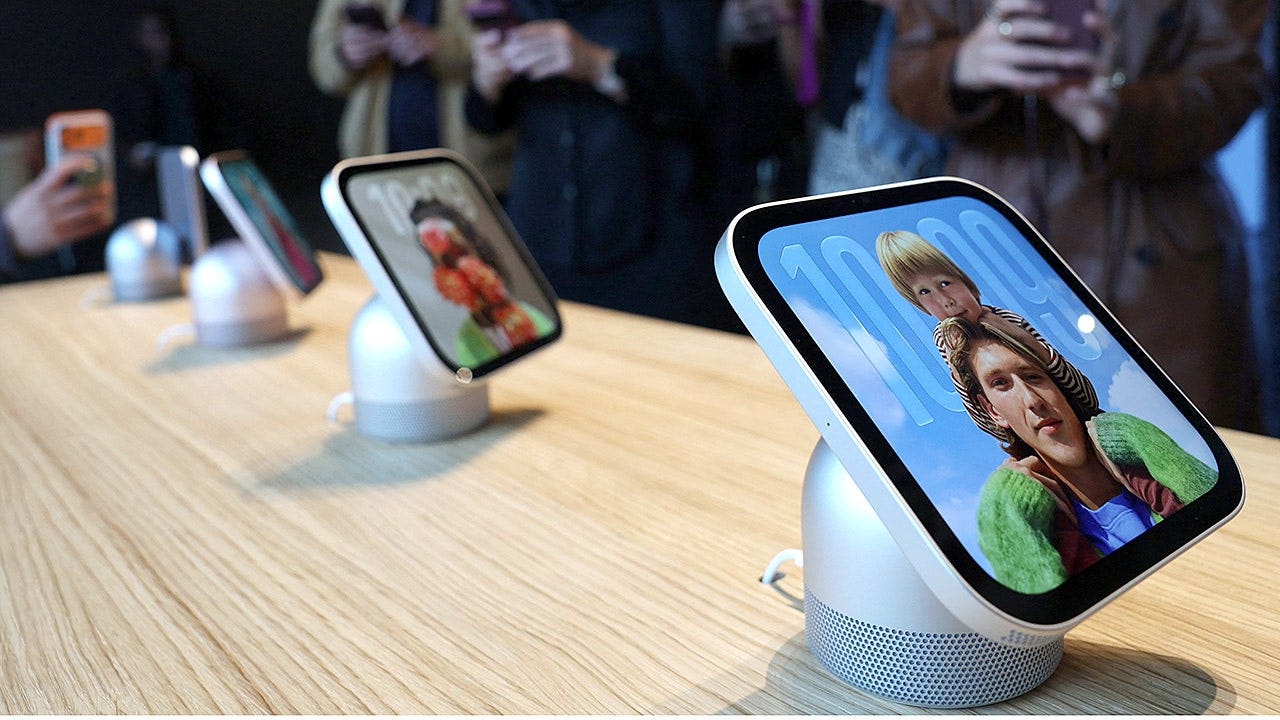
Apple is pushing deeper into the connected home with a lineup that mixes convenience, camera feeds, voice control, and a heavier dose of AI than many people expected. The new HomeView smart display sits at the center of that effort, joined by a refreshed HomePod mini, a new Apple TV 4K, and a set of smart home accessories built to work inside Apple’s ecosystem.
At the heart of the announcement is HomeView, a $299 smart display that acts like a home command center. The 7-inch screen can recognize up to six people by face, then switch to a personalized view with the right calendar, reminders, and other details. Apple also offers a wall-mounted version for households that would rather keep the counter clear.
The device is more than a neat party trick. Apple says HomeView can show FaceTime calls with Center Stage, surface recipes while someone is cooking, and help locate a missing iPhone through Find My. It can also display as many as nine live security camera feeds at once, which gives it a strong practical edge for anyone who likes keeping tabs on the front door, the backyard, or a package drop-off.
Privacy sits right in the middle of the pitch. Apple says sensitive information only appears when the system recognizes the right face and the paired iPhone or iPad is nearby and recently unlocked. That setup is meant to keep the experience personal without making the whole home feel exposed, though it also means the best features lean hard on newer Apple hardware.
Siri is getting a major makeover too. Apple’s updated assistant is designed to handle more natural conversations, understand what is on the screen, and answer broader questions using web information when needed. That could make everyday chores feel a lot smoother, from tracking down a recipe in a message to finding a song someone mentioned earlier.
There is a catch, of course. General Siri AI chats will work on HomeView without an Apple Intelligence-ready iPhone or iPad, but the more personal features still depend on compatible devices and current software. Apple is also launching Siri AI in beta, and some server-based features will have daily usage limits before expanded access arrives later for a fee.
The new HomePod mini 2 brings a smaller, cheaper entry point into Apple’s smart home world. Priced at $149 and offered in five colors, it uses an S10 chip for improved audio processing and adds a light-up top that pulses with music. It sounds like a modest refresh on paper, but Apple clearly wants it to feel like more than a simple speaker.
The bigger hook is future support for Siri AI. When paired with a compatible iPhone, the speaker will eventually handle more natural requests and recognize different voices in the house. That upgrade is not available on day one, though, so anyone buying now needs to be comfortable waiting for a later software update to unlock the main attraction.
Apple TV 4K is also getting smarter and more talkative. The new model includes three microphones that can catch Siri requests from across the room, which means less scrambling for the remote when a show title slips the mind. The box also runs on Apple’s A19 chip and supports some useful extras, including the ability to help locate the remote when it disappears into the couch cushions.
Apple is not stopping at its own hardware. Through Apple Home Collection, it is working with LG Electronics and Schneider Electric on smart locks, cameras, video doorbells, and thermostats that connect through the Home app. The lineup includes a deadbolt that can unlock automatically for nearby compatible devices, a doorbell with two cameras, and thermostats that can adjust settings based on whether anyone is home.
That wider push makes the privacy conversation harder to ignore. Apple says it uses secure processing for camera and microphone data, along with encrypted storage for compatible video features, but a home packed with connected gear still deserves a careful setup. The biggest question is not whether the tech works, but how much access people are willing to hand over for the sake of convenience.
For Apple fans already living inside the ecosystem, the appeal is obvious. A face-aware screen on the counter, a smarter Siri, and cleaner control over lights, locks, cameras, and entertainment could make the house feel less scattered and more responsive. The price of admission is the real hurdle, especially once the cost of the display, speaker, streaming box, and add-on accessories starts stacking up.
