
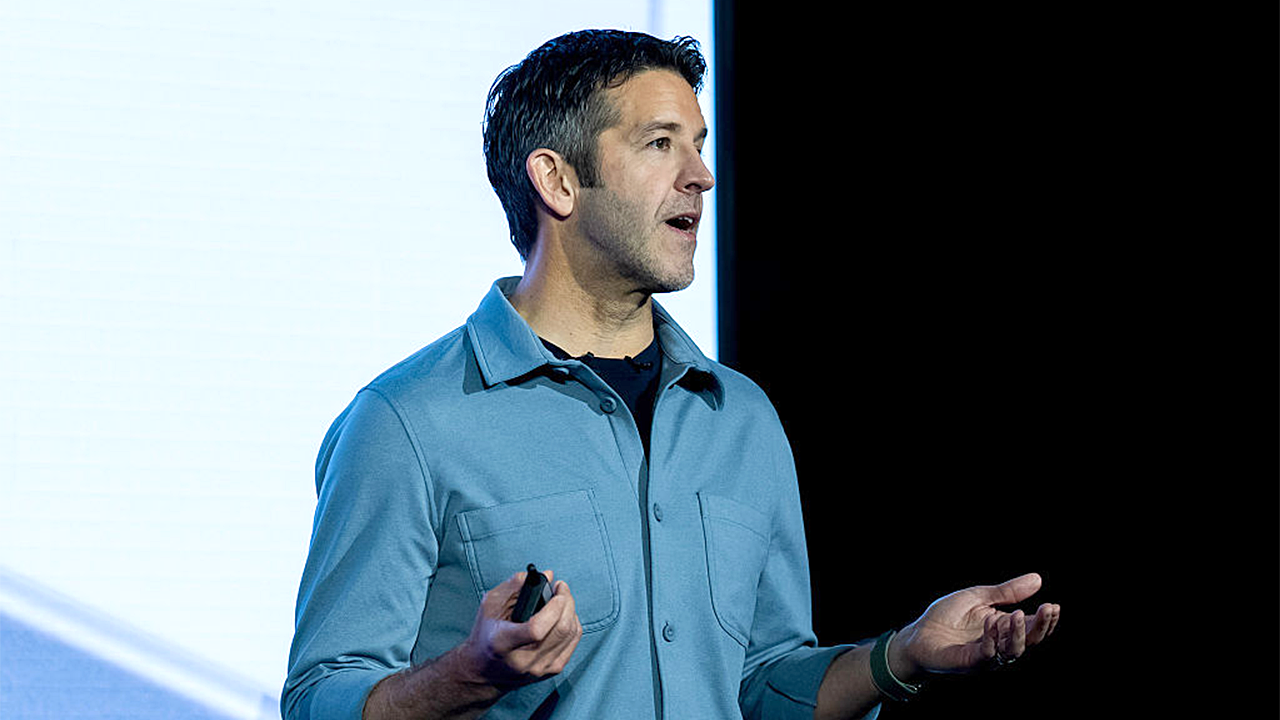
Apple is stepping into a fresh chapter with John Ternus at the wheel, and the move feels bigger than a routine leadership shuffle. The company’s next phase ties together product obsession, chip strategy, AI ambition, and a long-term bet on hardware that still has plenty of runway.
Leander Kahney, who edits and publishes Cult of Mac and has written extensively about Apple, said Ternus brings the kind of product-first mindset that has long defined the company’s biggest wins. That matters because Apple has always been at its sharpest when the people guiding it understand how the pieces fit together from design to launch.
Kahney pointed to a clear thread running from Steve Jobs to Tim Cook and now to Ternus, with product focus sitting at the center of it all. Ternus has been inside nearly every major Apple era product cycle under Cook, which gives him a rare, ground-level view of how the machine really works.
That background also matters because Apple is not just designing gadgets, it is managing an enormous manufacturing engine. Keeping that engine running takes serious expertise, and Ternus has spent years living in the weeds of hardware design and engineering.
Apple’s culture has always rewarded people who know how the company actually operates, not just how it looks from the outside. Kahney said Ternus is deeply embedded in that culture and surrounded by a strong team, which gives the new CEO a steady launchpad.
One of the biggest questions hanging over Apple has been its pace in artificial intelligence. Rivals pushed hard with tools like ChatGPT and Gemini while Apple took a slower, more cautious route, which drew plenty of chatter from observers looking for instant fireworks.
But caution has its upside, especially when privacy is part of the equation. Apple’s method has been more measured, and that slower roll has helped it avoid some of the messy trust issues that can come with rushing AI products into the wild.
There is also a hardware side to the AI story that often gets overlooked. Apple has been building neural engines and other AI-ready components into its devices for years, which means the company already has a massive base of capable machines in people’s hands.
That installed base could become a real advantage as Apple rolls out more AI features. Instead of starting from scratch, the company has devices in the field that are already built to handle a lot of what comes next.
Chip supply is another pressure point, and it has already started to hit consumers through higher prices on some Apple products. Memory chip shortages and the long lead times required to bring new fabs online have made the whole sector feel tight.
TSMC remains a key part of Apple’s supply chain, including its expanding footprint outside Phoenix, where new facilities are expected to support advanced chip production and packaging in the years ahead. Even so, the company is under strain from the AI boom, which is sucking up huge amounts of capacity across the industry.
That creates a problem that is bigger than Apple alone. AI hyperscalers are flooding the market with demand for chips and data center hardware, and consumer electronics makers are getting squeezed in the process.
Apple has also been spreading its supplier risk by turning to Intel again after years of relying on it heavily in the past. The relationship has changed over time, but the logic is simple enough: more options mean less vulnerability when supply chains get weird.
That shift fits neatly with Apple’s broader habit of tightening control over the parts of the business that matter most. Owning more of the chip design work in-house gave the company more independence, but keeping alternate partners in the mix still adds a layer of flexibility.
Tim Cook is not disappearing from the scene either, since he is expected to stay on as executive chairman. That keeps some continuity in place while Ternus takes over the top job and starts putting his own stamp on the company’s direction.
Apple’s next stretch will likely be judged on how well it balances polished hardware, AI credibility, and supply chain discipline all at once. The pressure is real, but so is the advantage of having someone at the top who has spent years building the guts of the products people line up to buy.

1 Comment
Quit nickel & diming on Apple products
IE Apple Store online or retail
Offer packages then for Macs etc
Make phones easier to use.
End the daily PW BS on phones
Use Galaxy 17 phone