
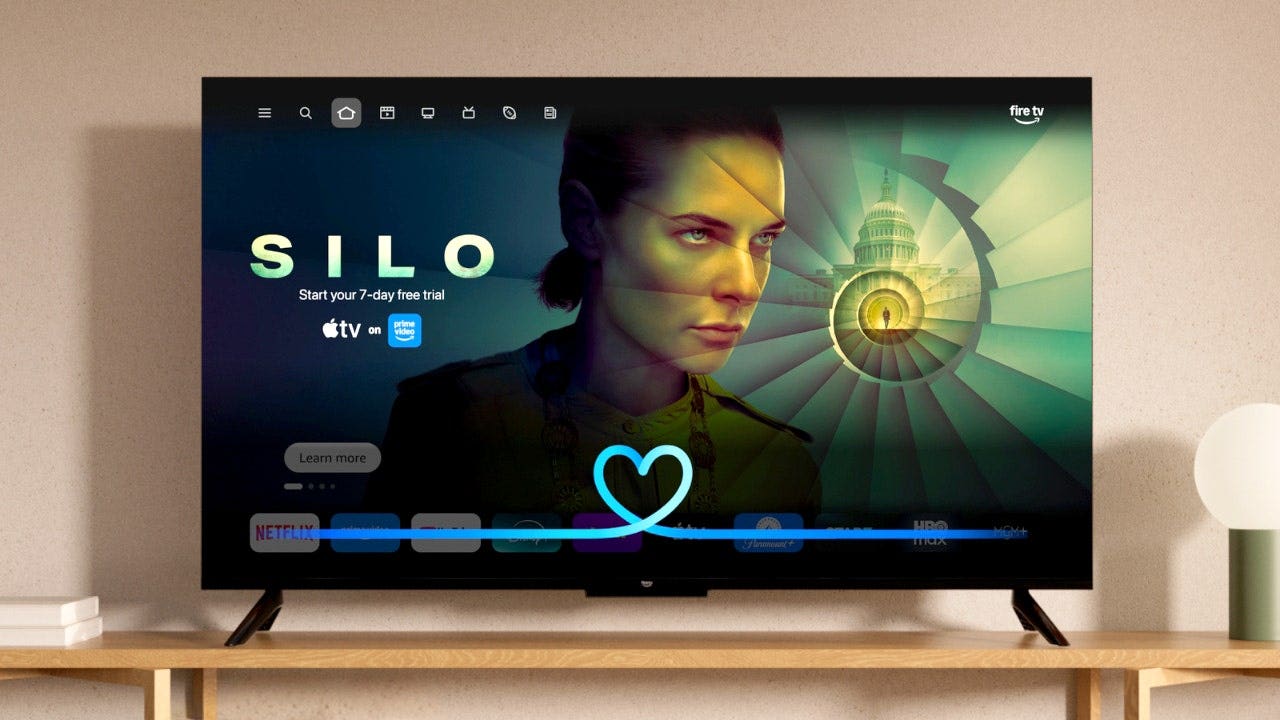
Amazon is pushing Alexa+ onto compatible Fire TV devices at no extra cost, and the upgrade is built to feel less like a basic voice tool and more like a conversation. That matters because the new assistant is meant to help with entertainment, smart home control, and quick questions without forcing people to memorize stiff commands. It also brings privacy settings back into the spotlight, since voice features only matter if the controls behind them are clear.
For Fire TV owners, the big news is that there is no separate app to install and no special subscription to unlock just for the Fire TV experience. Eligible devices should receive the change automatically, which makes the rollout feel almost invisible. Millions of TVs and streaming boxes are getting a more natural voice assistant, whether the user was actively waiting for it or not.
Alexa+ changes the tone of the interaction right away. Instead of barking out short commands, viewers can ask for things in plain language, then refine the request as they go. That makes it easier to search for a movie by mood, ask follow-up questions, or narrow down results without starting over every time.
Amazon says the upgraded assistant has already led to more back-and-forth on Fire TV, and that users are picking its movie recommendations more often than before. The service also reaches beyond streaming, handling supported smart home devices, showing compatible camera feeds, and answering general questions while the TV is still on. In other words, it is trying to become the thing people talk to while everything else is happening around them.
How it works depends a lot on the hardware. Fire TV Sticks usually rely on the Alexa Voice Remote, while a Fire TV Cube can listen hands-free through its built-in microphones. Some smart TVs with Alexa built in also support hands-free use, though the exact features vary by model.
The commands themselves are where Alexa+ starts to show off. A user can ask for a highly rated thriller from the last few years, switch to a family movie, or ask who a certain actor is without leaving the couch. It can also jump to a specific scene in supported Prime Video movies, which is the kind of feature that feels small until it saves a lot of annoying scrubbing.
Entertainment is only part of the pitch. Alexa+ can check a front-door camera, dim the lights for movie night, set a timer, or give a sports score without forcing anyone to grab a phone. That combination of convenience and control is what gives the upgrade its appeal, especially for people who already have a few smart devices tied together at home.
Privacy is the part worth slowing down for. Fire TV devices with hands-free microphones can listen for the wake word, and Amazon says a short slice of audio right before the wake word may also be sent to the cloud for processing. On devices with a remote-based setup, the microphone should only activate when the button is pressed, which gives users more control over when the system is actively listening.
Anyone who wants a harder stop can use the microphone-off control on supported hardware. When that switch is flipped, the device should not record or send audio for wake-word requests, and a red light signals that the microphones are disabled. That still leaves the remote as an option, so voice features remain available when they are intentionally triggered.
There is also Follow Up Mode, which lets Alexa keep listening after one request so users do not have to keep repeating the wake word. Some people love that because it feels smoother, while others may prefer to shut it off for a quieter setup. Amazon allows that change in the device settings, through the Alexa app, or with a simple voice command.
For people who want to see what Alexa has stored, the privacy menu has a few useful stops. Voice recordings, transcripts, and smart home history can be reviewed and deleted, and some data can be set to disappear after a certain period. That matters because the more conversational Alexa gets, the more important it becomes to know what is being saved in the background.
Amazon’s Fire TV line now splits into a few clear lanes for users who want the new experience without replacing a whole television. A stick is the easy path for basic streaming, a 4K model fits higher-end screens, and the Cube is the better pick for anyone who wants hands-free Alexa built in. The shift is less about flashy hardware and more about making the TV feel a little less static, a little more responsive, and a lot easier to talk to.
