
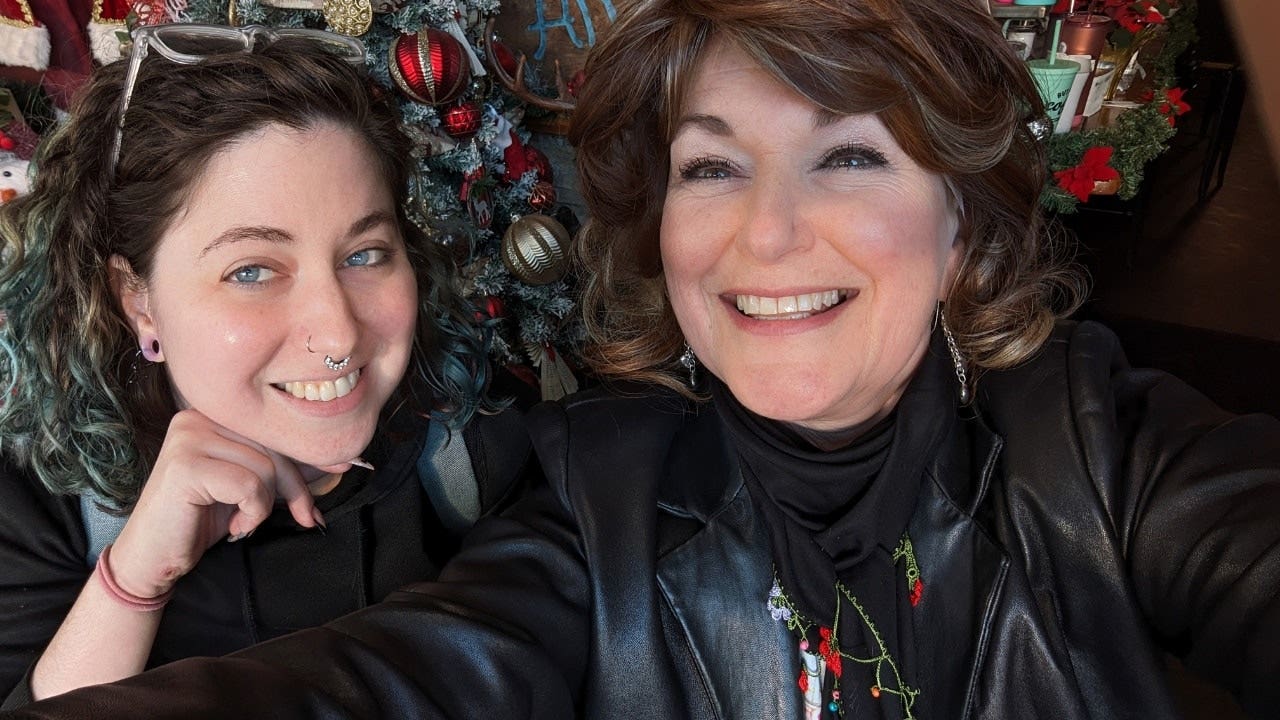
Deborah Del Mastro thought she was hearing her daughter in real danger, and that was enough to pull her into a brutal five-and-a-half-hour ordeal that felt completely real. A caller used a frightened voice, tight pressure, and nonstop threats to convince the California mother that her 37-year-old daughter had been kidnapped by violent criminals. By the time the phone finally went silent, she had already sent thousands of dollars and been emotionally dragged through a nightmare built on fear, urgency, and control.
The call started with a local number, which made it feel ordinary at first. Then the voice on the line turned the conversation into something much darker, claiming Sarah had been taken by a Mexican drug cartel and was being held unless money was paid. Deborah says the voice she heard crying and begging for help sounded exactly like her daughter, and that detail locked her into the scam fast.
What made the scheme so effective was the way it kept moving. The caller stayed in control, demanded that Deborah keep her phone charged, and refused to let her step out of the situation long enough to think clearly. Every moment was designed to keep her isolated, panicked, and focused on one thing only, which was getting her daughter back alive.
The demands kept escalating while the pressure never let up. Deborah was sent from place to place, told to keep quiet, and instructed to use wire transfer services to send money, all while being warned that speaking to anyone else could get Sarah killed. The scammer even fed her a cover story in case a clerk or bystander questioned the transactions, which made the whole thing feel even more calculated.
By the end, Deborah and her husband had sent $5,400 through multiple transfers. That money hurt, but the bigger damage was emotional, because she believed her daughter’s life was hanging by a thread. She later said the experience left her deeply shaken, and once the truth came out, she described feeling immense relief that turned into tears in the parking lot.
Sarah was never kidnapped. When her mother finally reached her directly, she answered from work, confused about why her parents were so frantic. Only then did the family realize the terrifying phone call had likely been powered by AI voice cloning, a tool that can make a fake voice sound eerily familiar with only a short audio sample.
This is exactly why virtual kidnapping scams are so dangerous. The basic scam has existed for years, but AI has made it sharper, louder, and much harder to spot in the moment. The FBI and FTC have warned that criminals use fear, secrecy, and speed to keep victims from verifying anything before money changes hands.
Deborah’s case also shows how much criminals rely on emotional shortcuts. They know a parent can be pushed into survival mode when they believe a child is crying for help. Once that fear kicks in, logic gets shoved aside, and the scammer gets a clearer path to the money.
Experts say families should talk about these scams before a phone ever rings. A private code word can help, but it should not be the only safeguard, since scammers may block real contact between loved ones. Direct verification, trusted location sharing, and a habit of slowing down when secrecy is demanded can make a huge difference.
Wire transfers remain one of the biggest warning signs because they move money fast and leave little room for recovery. That is why any demand for instant payment, especially one tied to a supposed emergency, should trigger a hard stop. If a caller insists on silence, urgency, and a specific payment method, the safest move is to pause and confirm everything through another channel.
Deborah’s story lands because it is so ordinary at the center. A mother heard a voice she trusted, believed her child was in danger, and spent hours trying to survive a threat that never existed. The tech may be new, but the fear it exploits is as old as family itself, which is exactly why these scams keep working.
