
America’s AI boom is not running on code alone. It is also running on hard hats, tool belts, and the people who can keep power moving, buildings standing, and machines cooled when demand surges. As data centers multiply and tech giants throw huge sums at the race for dominance, the real bottleneck is becoming harder to ignore.
The money flooding into artificial intelligence is staggering, with major companies expected to spend about $700 billion this year on new data centers and related infrastructure. That figure does not even capture the added pressure on the electric grid, semiconductor production, and the wider supply chain needed to keep these projects alive. The problem is simple: there are not enough skilled workers to build the physical backbone of the AI economy.
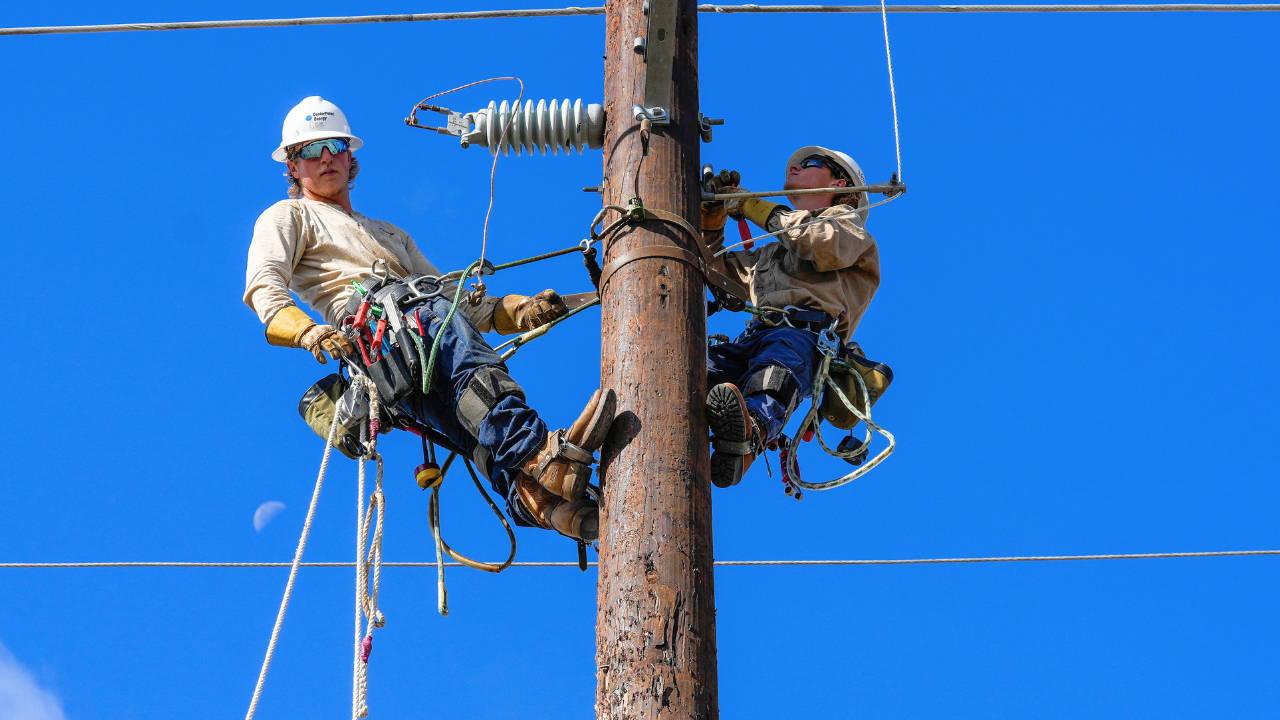
Electricians, welders, HVAC technicians, construction crews, and other trades are suddenly at the center of a national race. Industry estimates suggest the United States will need roughly 140,000 more skilled trades workers by 2030 just to support AI infrastructure. That shortage is already shaping how fast new projects can move and how much they will cost once labor, materials, and time are all added together.
That is where Switzerland enters the conversation. The country’s apprenticeship system has become a standout model because it gives young people a clear on-ramp into technical careers without treating college as the only respectable path. Students start getting real workplace experience early, while still building classroom knowledge that matches the job they actually want.
The Swiss setup is popular for a reason. Roughly 70% of each age cohort takes part in apprenticeship programs, and those paths run through manufacturing, construction, pharmaceuticals, banking, healthcare, and more. The key is flexibility, since students can stay in their trade after finishing or keep climbing toward a university degree if they want another step.
For employers, the appeal is just as strong. Apprenticeships are not charity cases or feel-good side projects, because they often pay off through better hiring, lower turnover, and more workers trained to the company’s exact needs. Many apprentices remain with the firms where they trained, which gives businesses a steadier pipeline instead of the constant scramble for outside talent.
That kind of setup looks especially useful now, when AI ambitions are colliding with a very real labor shortage. Data centers need more than servers and software. They need the people who can pour concrete, install electrical systems, wire equipment, move materials, and make sure the whole operation does not grind to a halt on a hot summer day.
There is also a shift happening among younger Americans. Rising college costs and a shaky white-collar market are pushing more students to look harder at trade schools and vocational training. That change matters, because it suggests the country may finally be waking up to the idea that a good career does not always start with a four-year diploma.
Some companies and states are already trying to catch that wave. Programs modeled on the Swiss approach are pairing classroom learning with paid work in fields like advanced manufacturing and information technology, giving students a direct line into the labor market. The goal is not just to fill jobs for today, but to build a workforce that can keep up as technology keeps speeding ahead.
The stakes are bigger than one industry cycle or one investment boom. The future of artificial intelligence depends on people who can handle the unglamorous but essential work that makes digital growth possible, from electrical systems to cooling to construction. Without those workers, the smartest machines in the world still sit idle in buildings that never get finished.
