
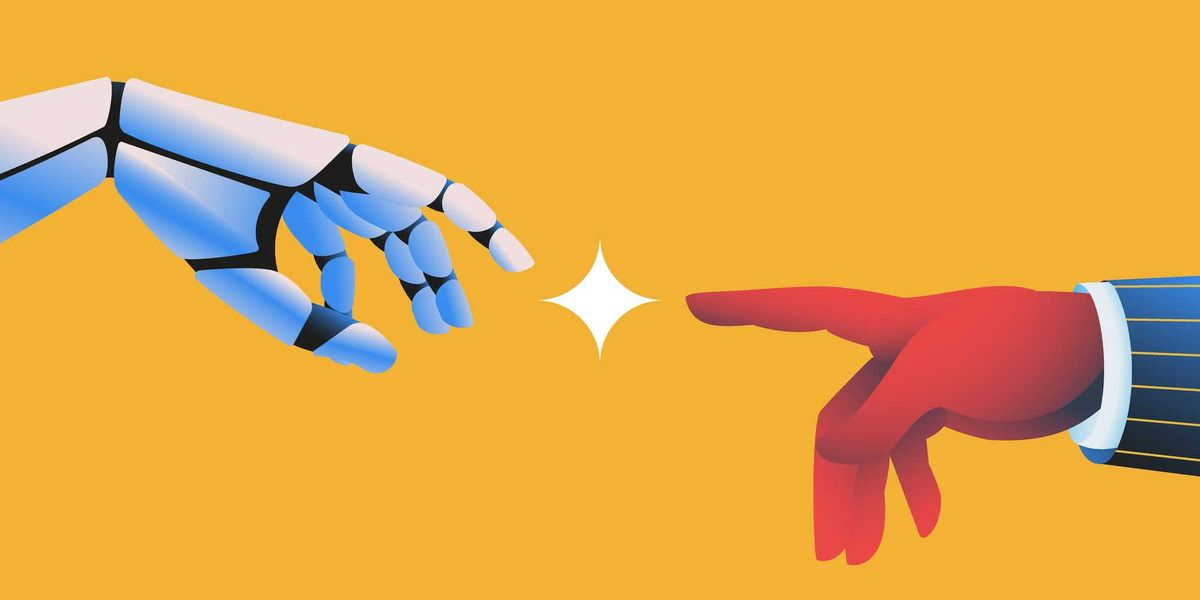
The AI age is forcing a strange but important question into the open: how much humanism is too much? As machines get better at doing what people once thought only people could do, the real issue is no longer whether technology will change life, but whether we still know what should stay sacred in the process.
That tension sits at the center of the new conversation around progress, faith, and the way people define human value. Artificial intelligence can help with everything from labor to language, but it also tempts people to turn human life itself into one more system to optimize. Once that mindset takes over, improvement stops looking like a gift and starts looking like a replacement.
Humanism, at its best, insists that people matter and that dignity should not depend on wealth, status, or usefulness. That sounds noble, and in many ways it is. But the article pushes into a harder question: what happens when humanism becomes so dominant that it starts acting like a religion of its own, with its own claims, its own morals, and its own sense of authority?
That is where the conversation gets sharp. If everything is judged only by human preference, then higher truths can quietly get shoved aside, and spiritual authority begins to look optional. The result is a culture that praises people endlessly while giving them less and less reason to believe they answer to anything beyond themselves.
There is also a deeper irony here. The more advanced AI becomes, the more people seem tempted to use it not just as a tool, but as a mirror for their own ideals, fears, and ambitions. In that sense, technology is not creating a new moral world so much as exposing the one people already built, complete with its assumptions about what counts as progress and who gets to define it.
Faith traditions have always pushed back against the idea that human beings are the final measure of all things. They remind people that weakness, dependence, and limits are not bugs in the human condition. They are part of the design, and they keep ambition from turning into a kind of self-worship.
That does not mean rejecting technology or pretending progress is bad. It means asking whether the tools being built are serving humanity, or slowly training humanity to serve them. If AI keeps advancing without a clear sense of moral grounding, the danger is not just bad output or bad policy, but a gradual loss of perspective about what a person actually is.
The article’s most unsettling point is that the line between humanism and something far more rigid can blur fast. Once a culture starts treating its own values as unquestionable truth, it can slide into a soft theocracy of its own, even while insisting it is fully secular. The language changes, but the demand for obedience stays the same.
That is why the issue is not merely technical, and it is not just philosophical theater either. It is about whether modern people can hold onto humility while building powerful systems that reward control, speed, and certainty. AI may be the latest test, but the struggle underneath it is older than any machine: whether people will keep enough reverence to remain human in the first place.
